Eleven Weeks, Nine National Parks: Camping the Long Way Round the Eastern US
Caves, fog, bears on the road, and not one bison.
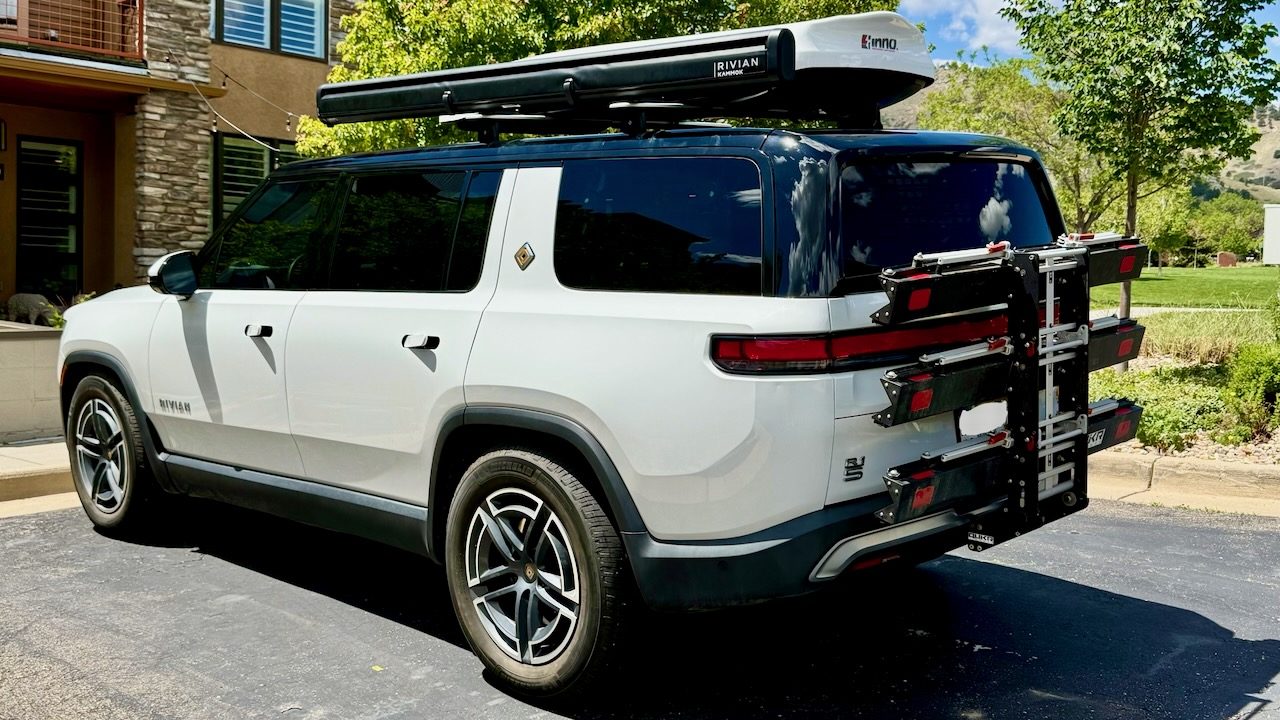
We moved out of our rental on May 29 and drove the long way round the eastern US. Nine national parks, about 50 stops, two kids, one Rivian we charged wherever we could, and zero bison.
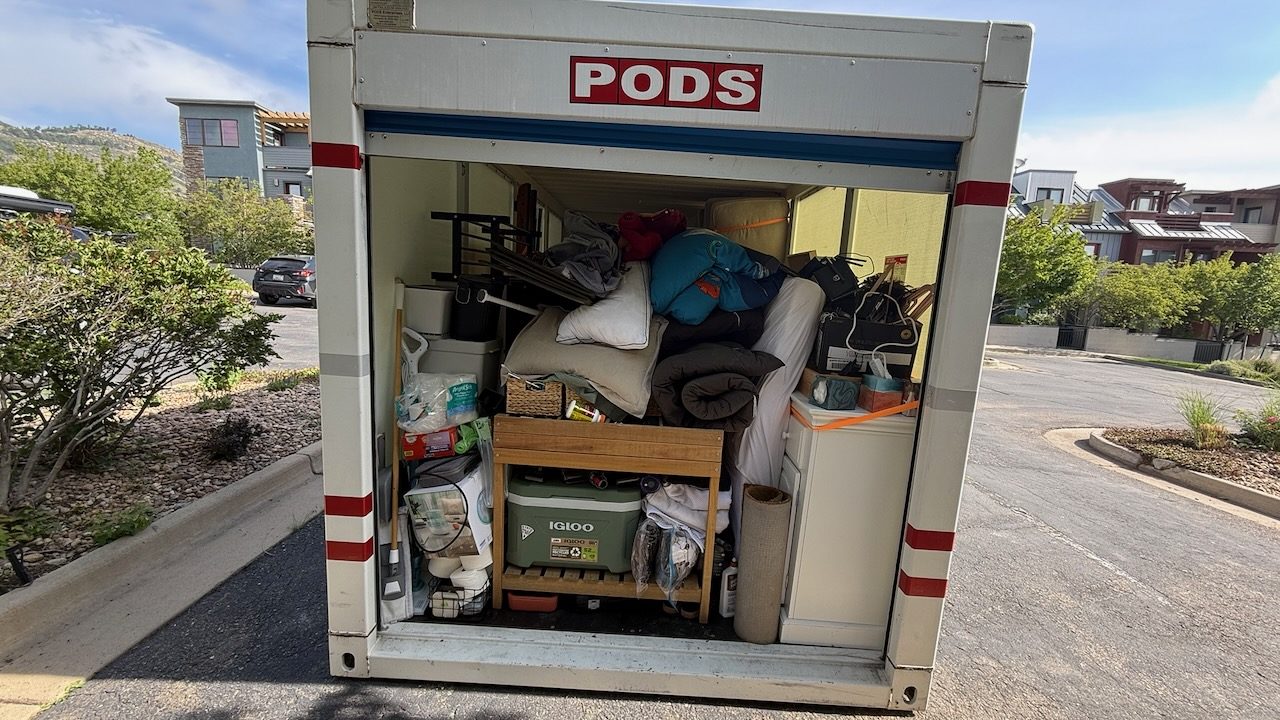
May 29. The last boxes went into the PODS container. Everything else, including a large bag of rice (I don’t know why we did that), went into the Rivian. We handed back the keys and drove south with no house to come back to.
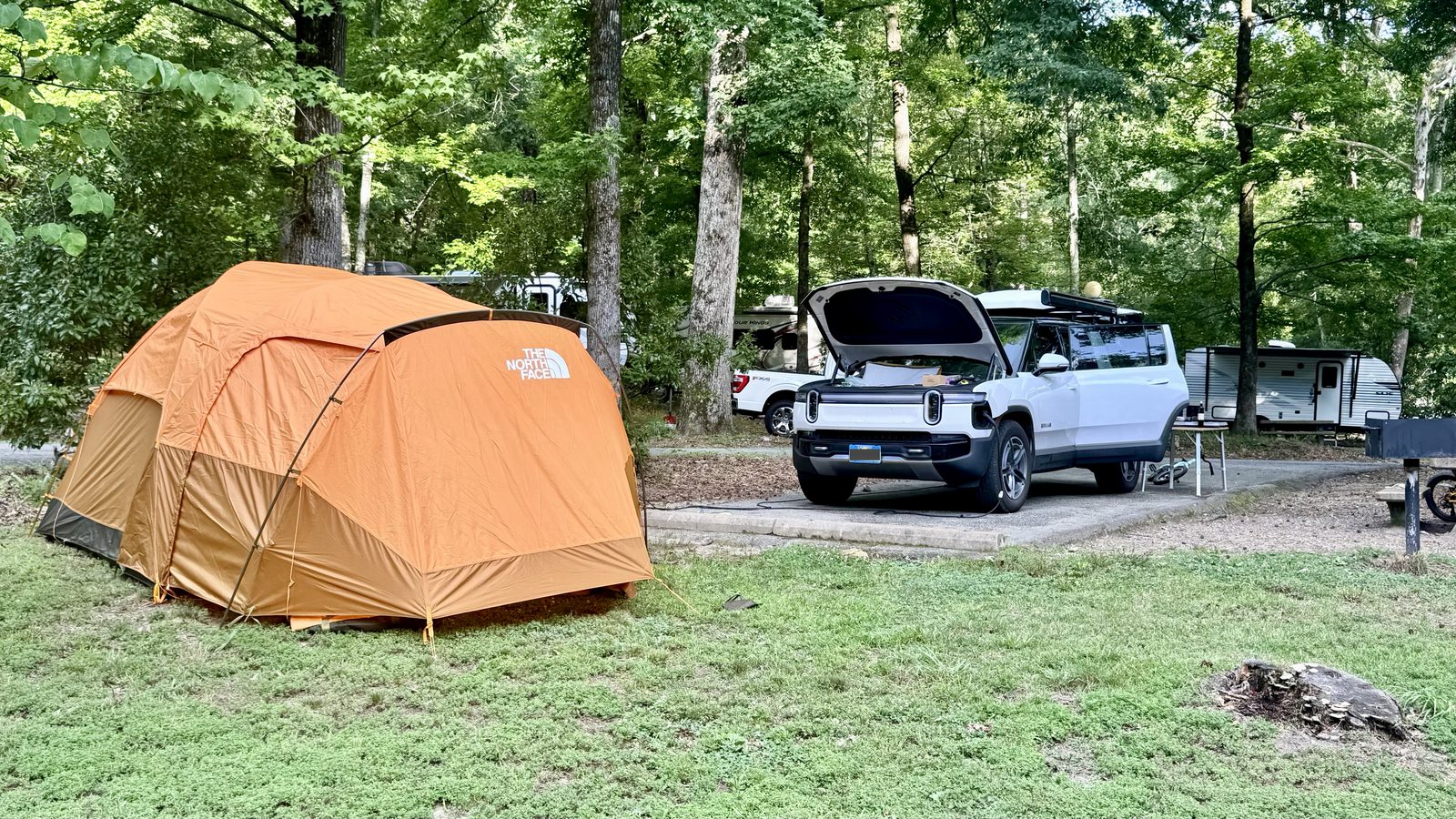
The plan was national parks, state parks and campgrounds, with some hotel stops along the way. We charged the Rivian off everything from a Marriott lobby outlet to a free 4 kW trickle charger. Eleven weeks and about 50 stops later, the kids had made friends at almost every campground.
New Mexico: Lava, Sand, and a Sky Full of Bats
Albuquerque was the easy start. Zoo, good hotel, everything close. First EV road trip lesson: check your adapters. The hotel only had Tesla destination chargers and we had no plug for them, so I ordered a Lectron adapter with overnight delivery and we charged for free.
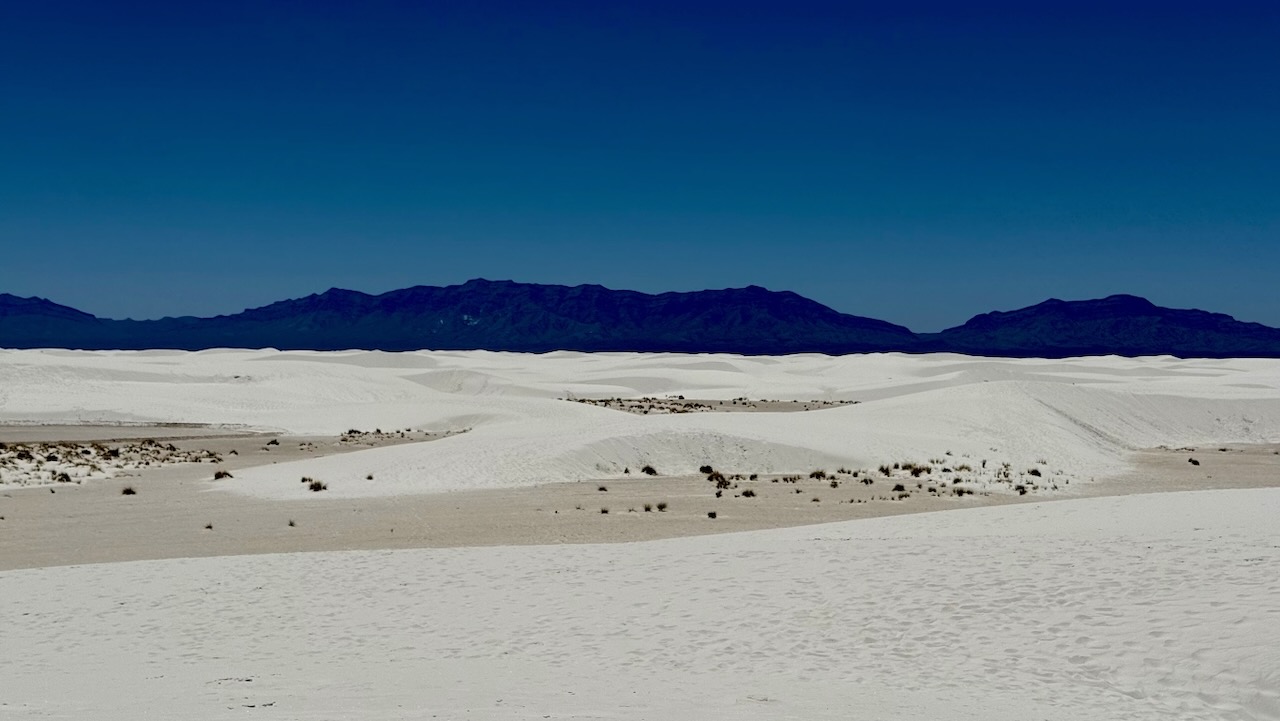
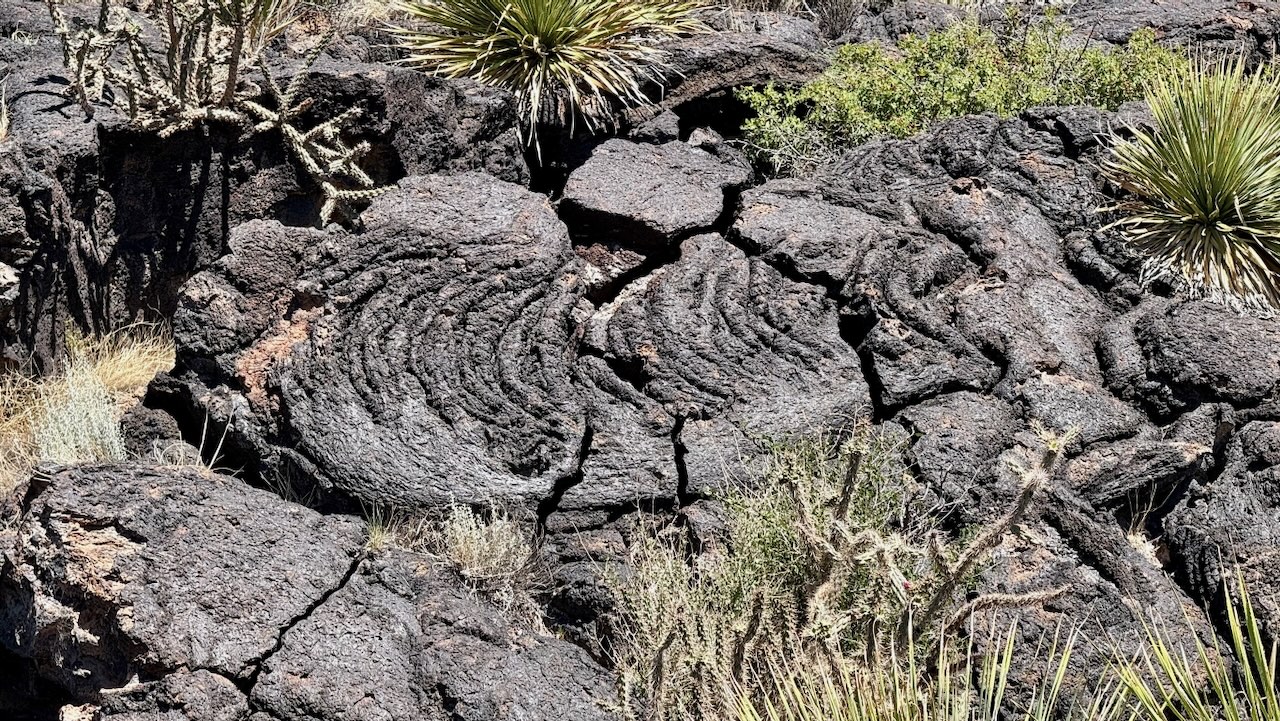
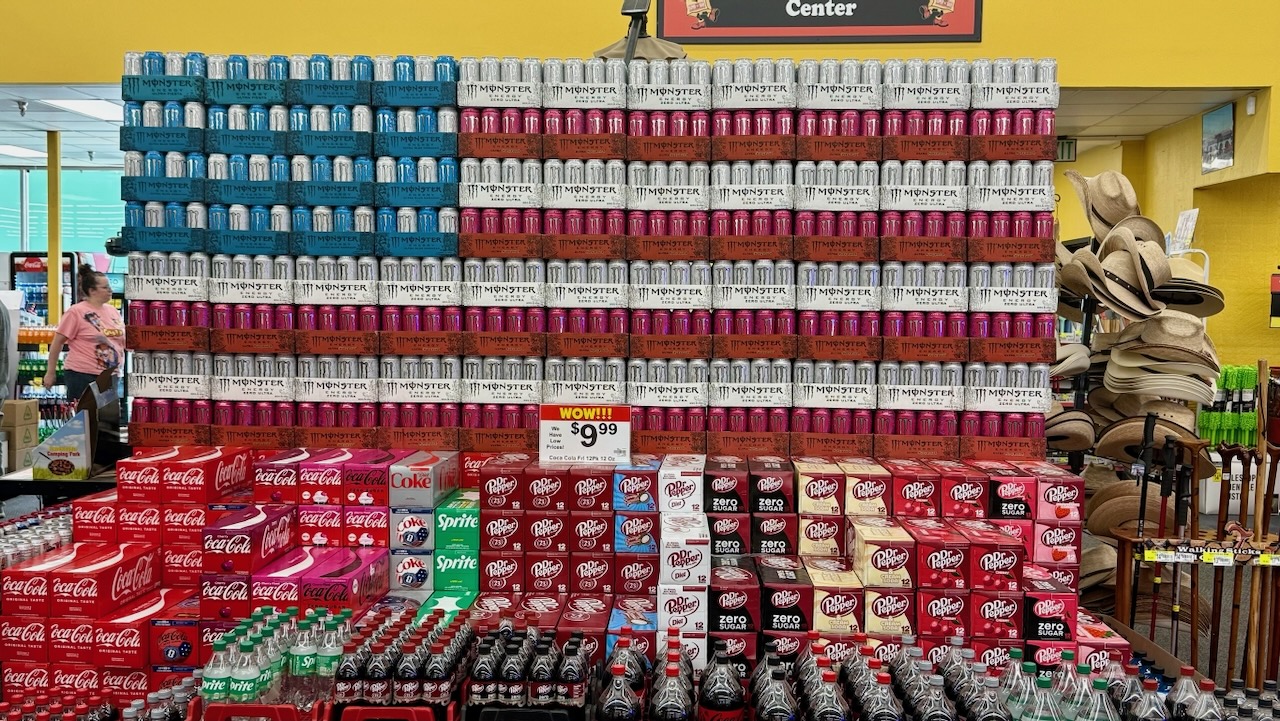
White Sands looked like rolling hills of snow, glowing white in the heat. Rivian’s new Google Maps navigation insisted we drive through a military base, and going around took way longer than expected. Luckily there was no rocket testing at White Sands that day. We wished we’d budgeted more than a few hours. On the way we crossed black lava fields at Valley of Fires, and in one store we found an American flag built out of Monster cans.
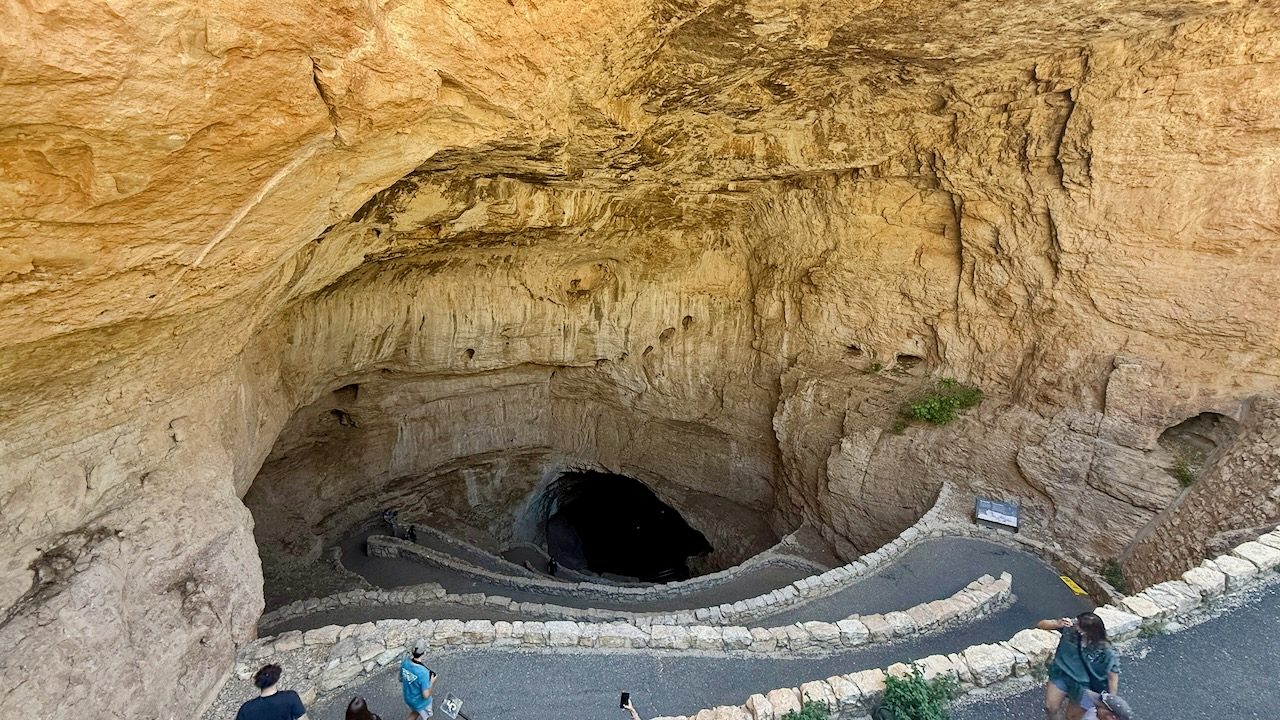
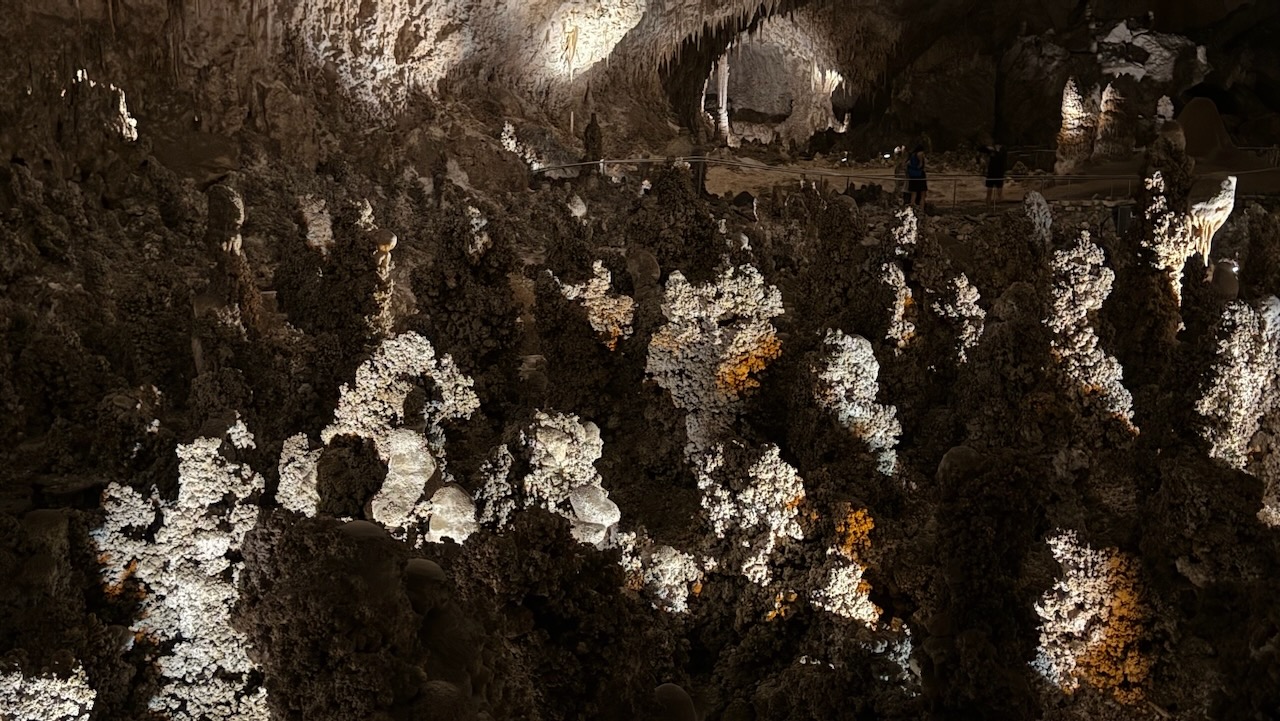
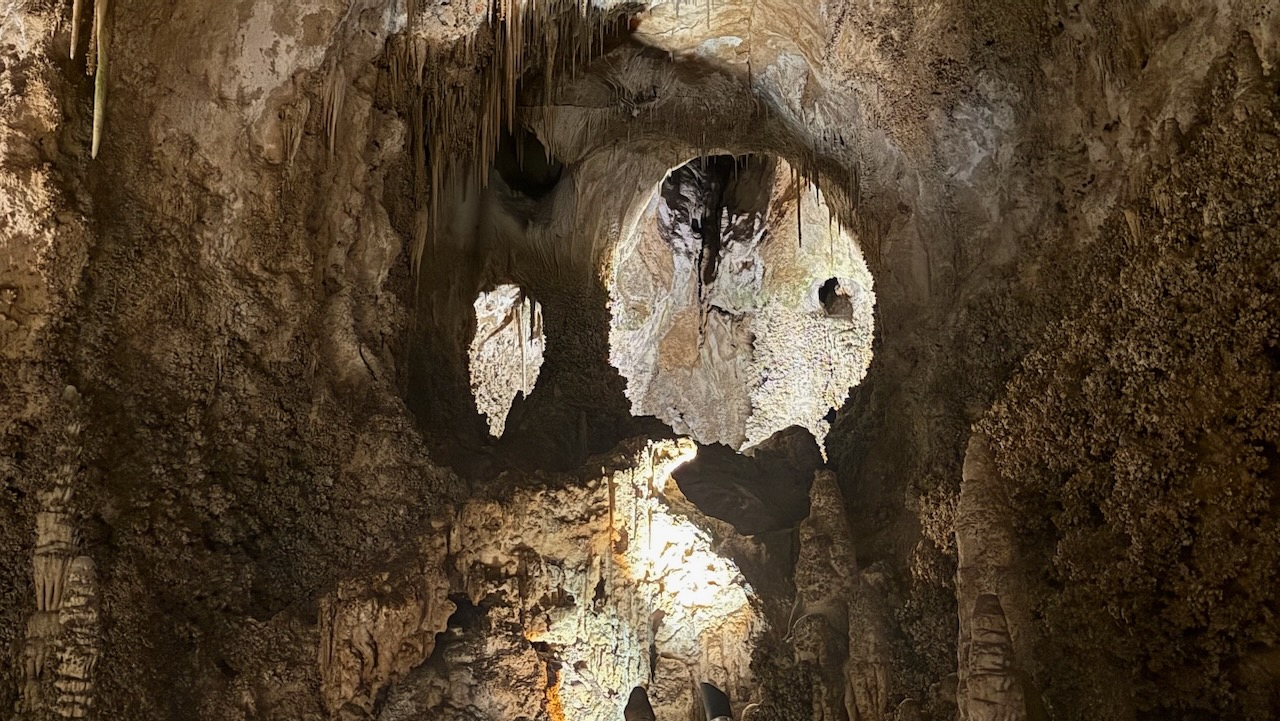
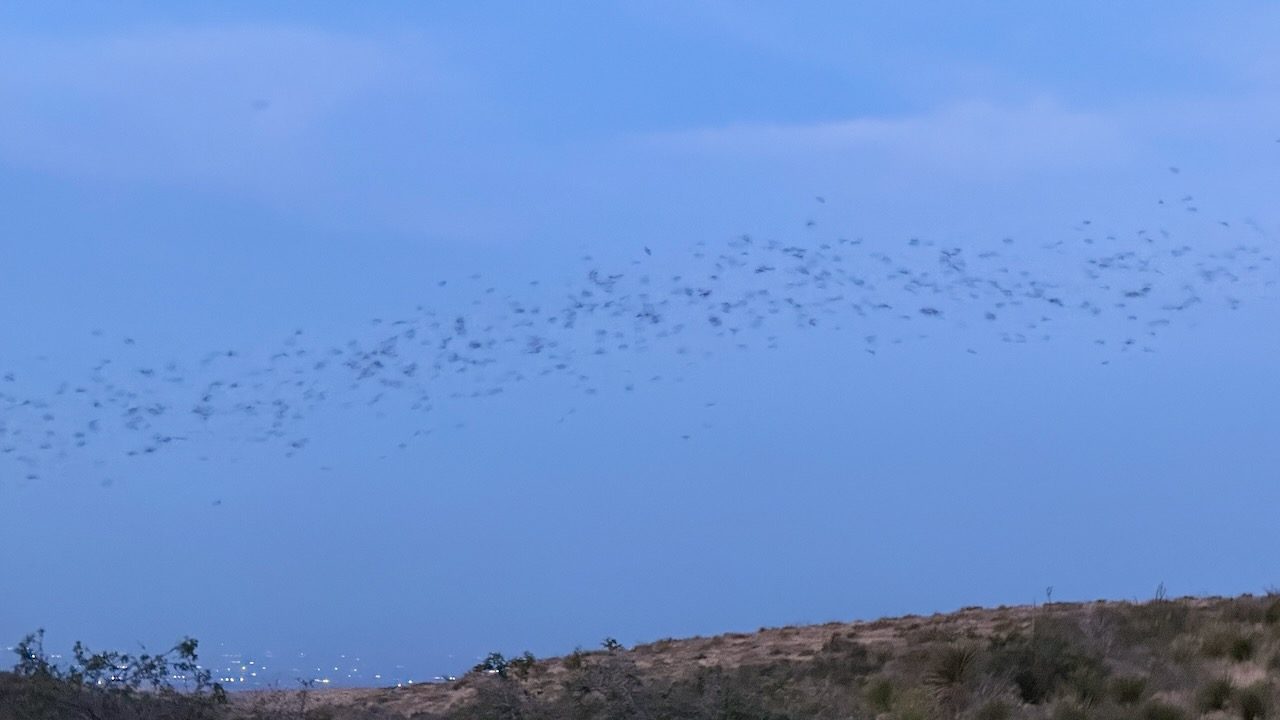
We stayed two nights in Carlsbad, a pretty run-down town, for the caverns. A switchback path drops you into the natural entrance, and the cave below is an alien world of spikes and formations. Some of them looked like body parts, which cracked everyone up. One of the kids needed a minute to get brave about walking into the big cave and was fine once inside. The other had questions for everything. We went back for the bat flight, and the ranger started talking 45 minutes before the first bat left. She was super nice and took questions, explained how the caverns work, and talked about what it’s like to be a ranger and how Carlsbad became a national park. At dusk the bats poured out. Pro-tip: the loop is longer than it looks. There’s a bathroom near the elevators before the loop starts. Use it. I did an unplanned running workout down there thanks to one of the kids.
Texas: A German Town and Great BBQ
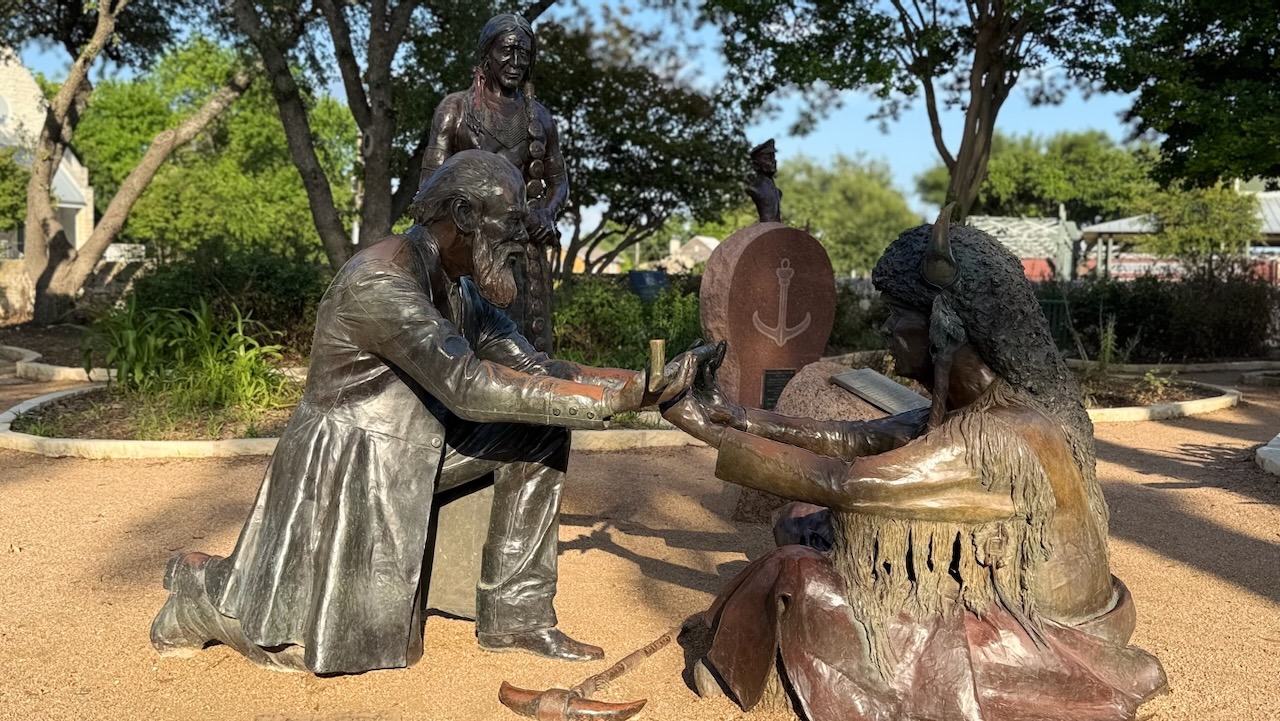
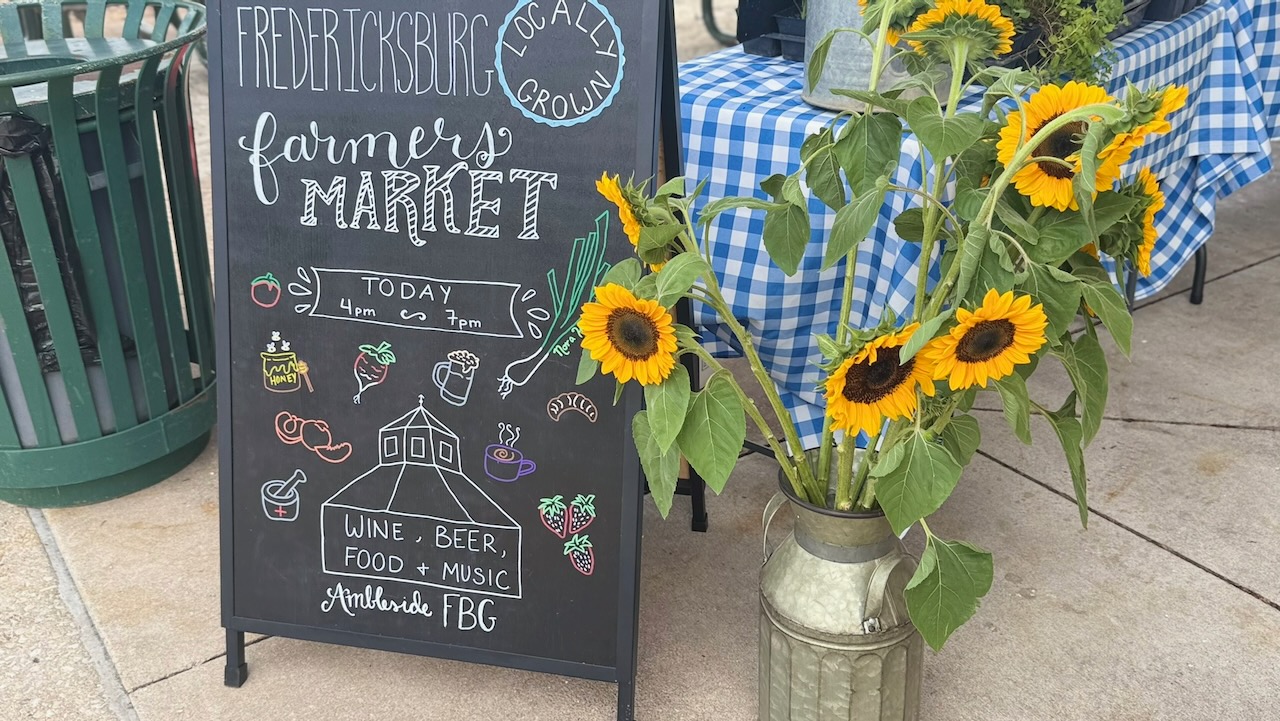
Fredericksburg bills itself as a German town. As a German expat, I was looking forward to the food and the culture. We found one or two people who spoke German, but the food was Americanized (creme fraiche on rouladen is not a thing in Germany, and it never will be). It’s a nice little town, but I expected a lot more. That was enough to make us skip Frankenmuth, Michigan, later in the trip.
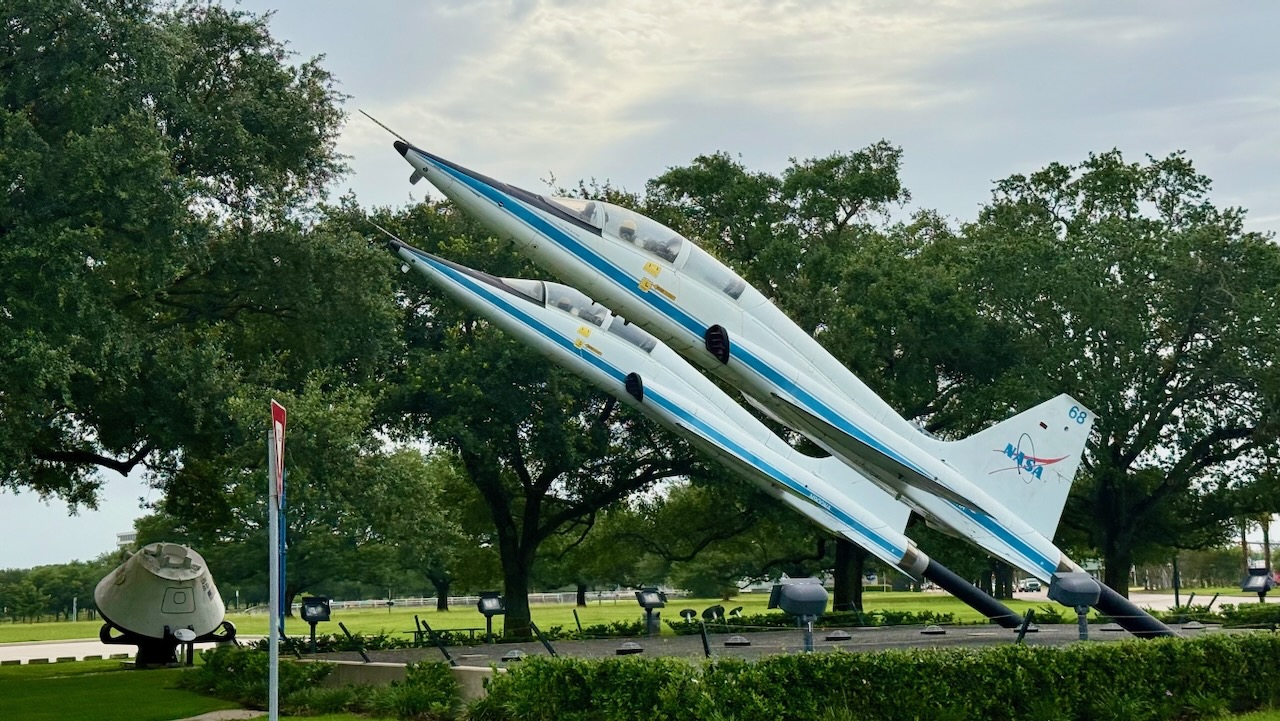
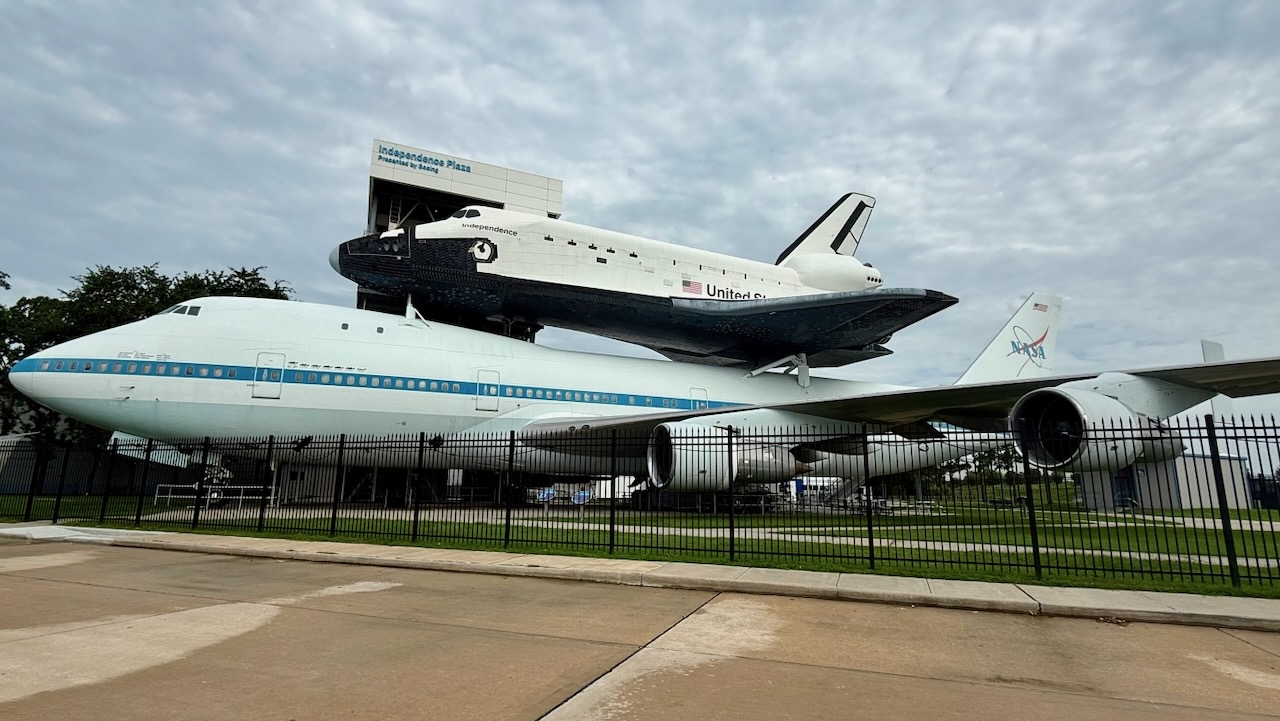
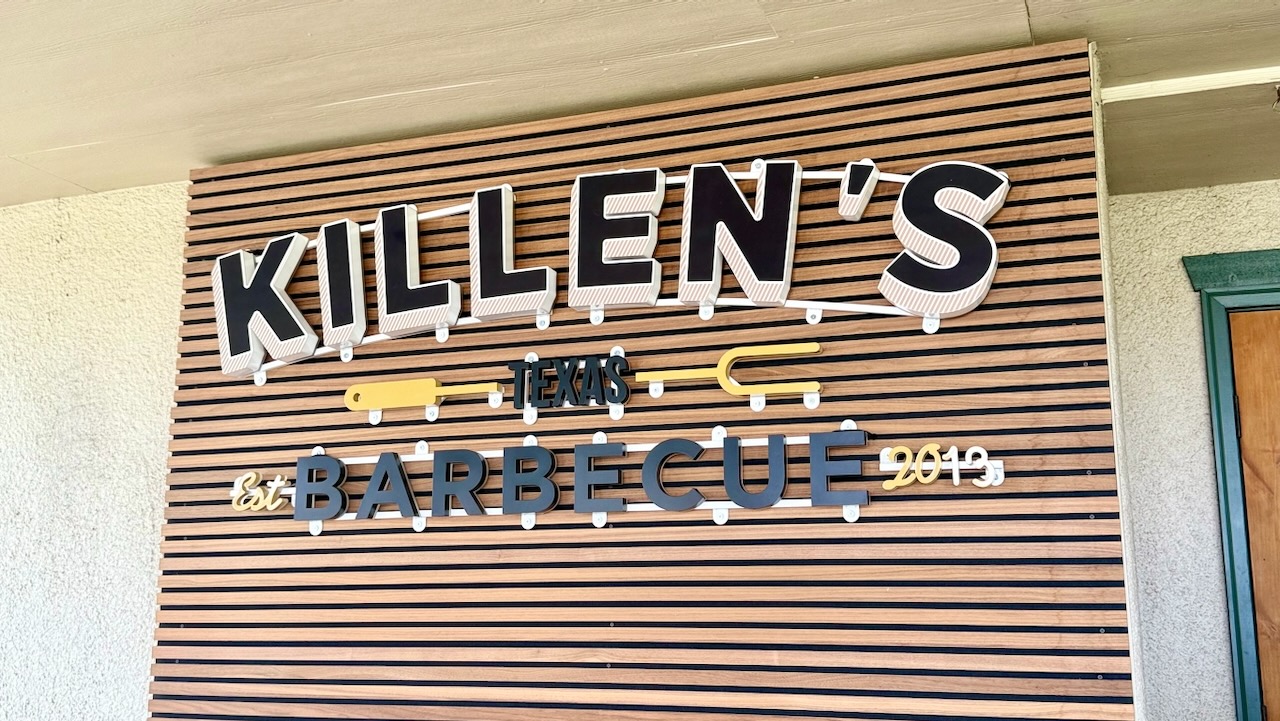
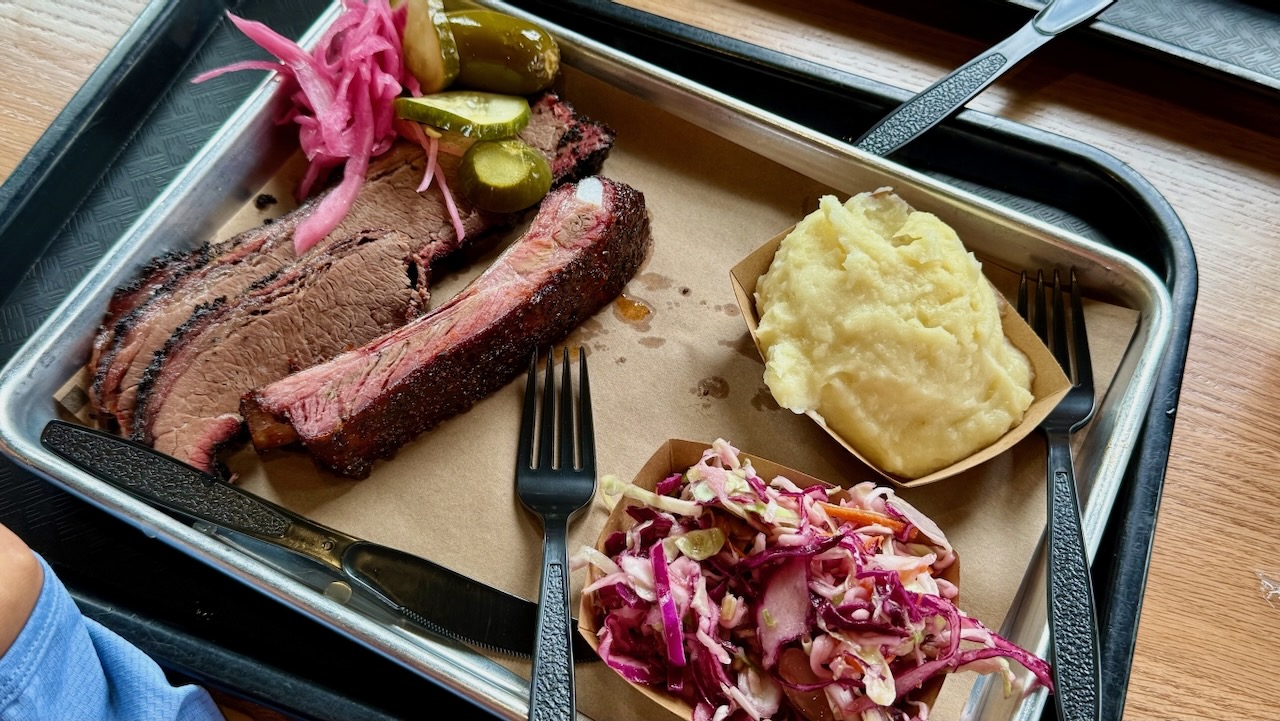
Houston was worse. We spent three nights there, and I wouldn’t go back for the city. People drive like maniacs and weren’t very friendly. Only three things made it worth it: Space Center Houston, Aga’s and the BBQ. At the Space Center you can walk through a space shuttle mounted on top of a 747, and there are astronaut exhibits and T-38 training jets on display. Our kids are very techy and very nerdy, and they loved every bit of it.
Gulf Coast Camping: Spanish Moss and a Huge Chainsaw
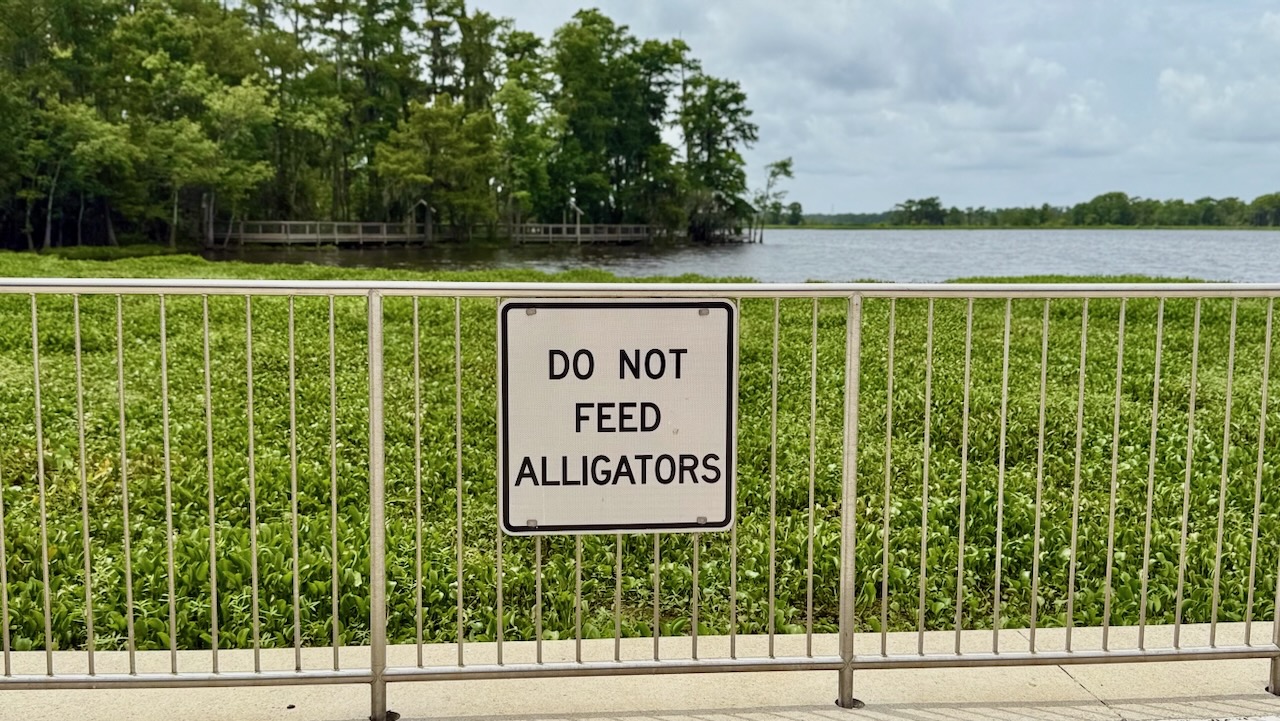
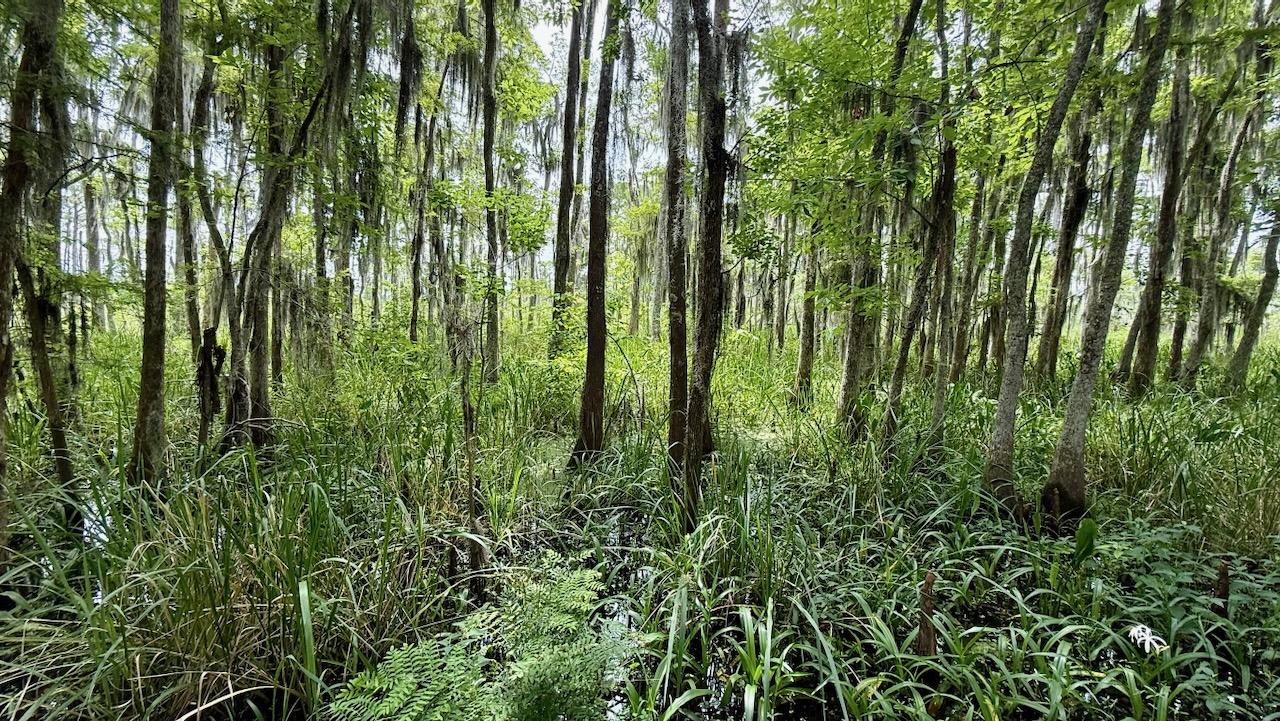
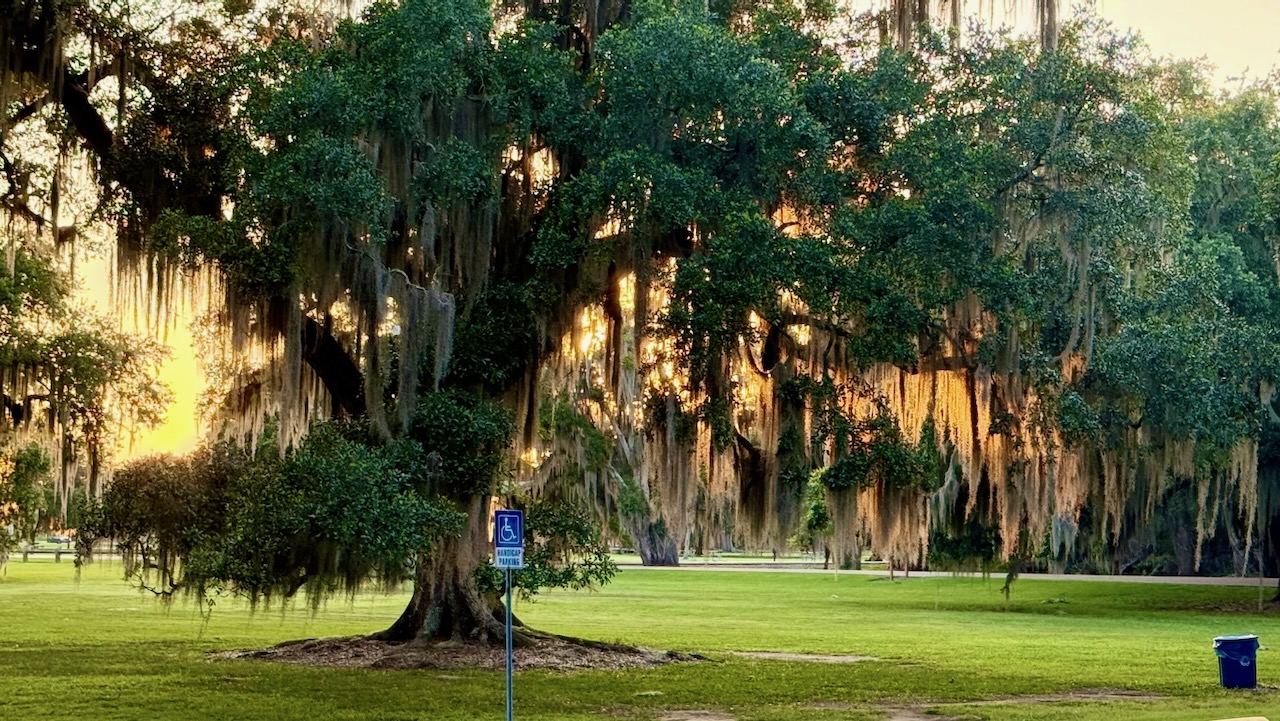
Fontainebleau State Park in Mandeville, Louisiana, was our first night in the tent. We rolled in late, with Spanish moss draped over the trees and everything glowing at sunset. First camping lesson: everyone is insanely friendly. Our neighbors, locals from Louisiana, shared some of the local delicacies and stashed some of our food in their huge RV fridge. In Colorado you usually buy firewood from the camp host. The host wasn’t on duty, so I asked our neighbor. He came back with a huge chainsaw: “Let’s go get some.” It was hilarious.
It was also tick territory, humid and hot. So hot that I buzz-cut my hair, and so did one of the kids. That made ticks easy to spot, and the short hair felt great in the heat. A few days later we found a tick on one of the kids’ scalps. We would have missed it in hair. Worth doing again anywhere ticks are a real risk. In Louisiana we also treated our clothes and tent with permethrin spray, something I learned from a US military handbook for the outdoors. It doesn’t replace the daily tick check, though. We found a few more along the way.
Deep South and Cave Country
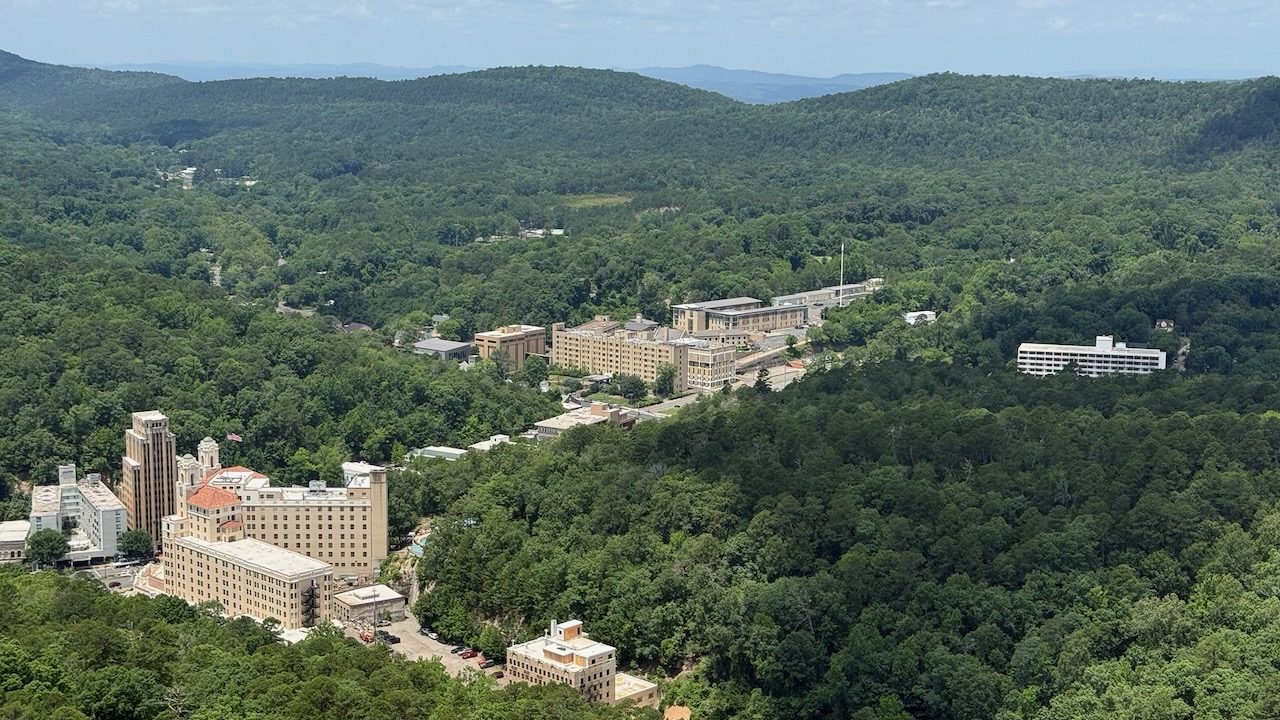
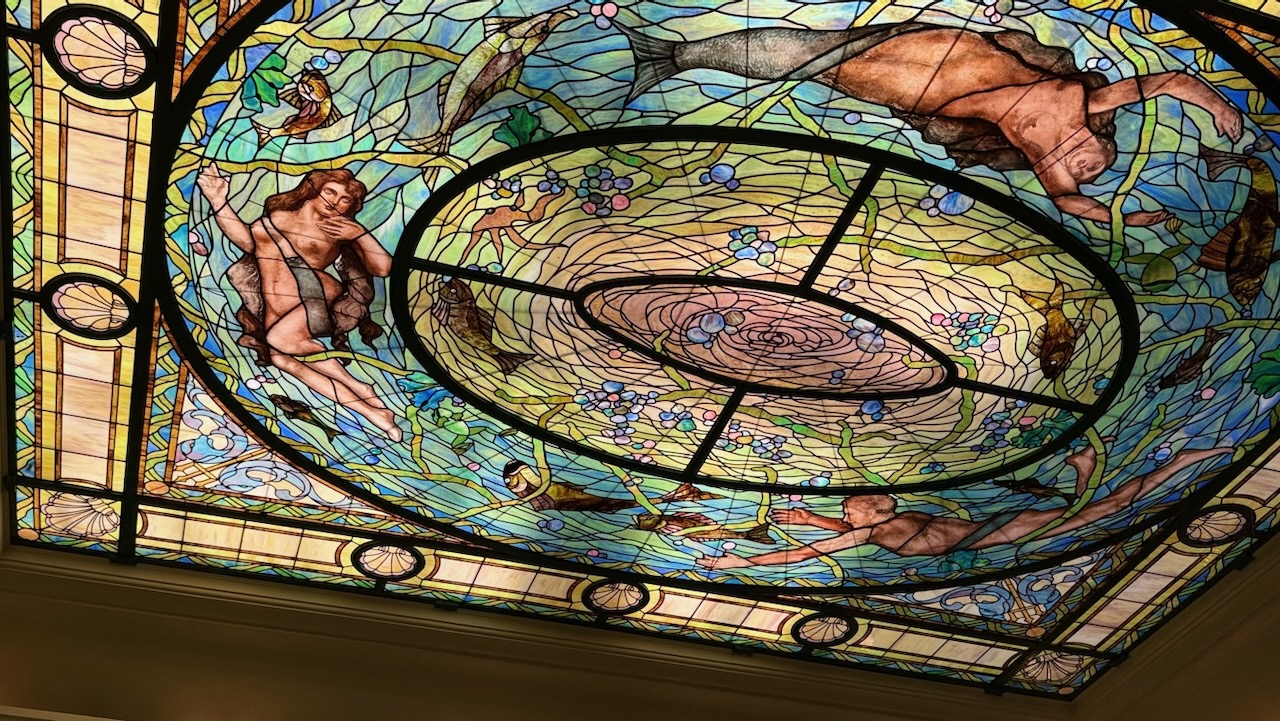
Vicksburg was a clean, easy overnight. Hot Springs National Park was not what we pictured. We’d assumed there would be a natural spring to soak in. There isn’t one open to the public. It’s paid bathhouses, $100 minimum, with lines forming by morning. At least the bathhouse ceilings are stained glass. Our campsite at Gulpha Gorge had an electric hookup to charge the car. Pro-tip: reduce the amps manually every time you plug in, or you’ll overheat the charger or blow the fuse.
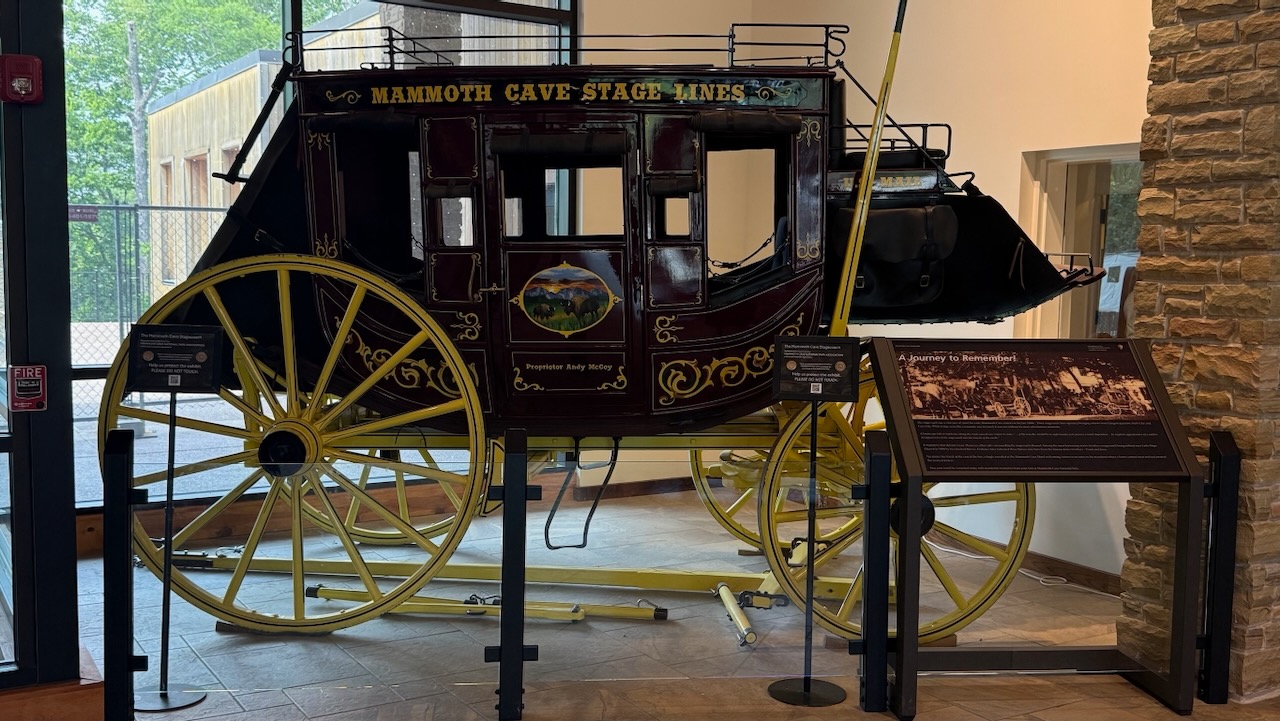
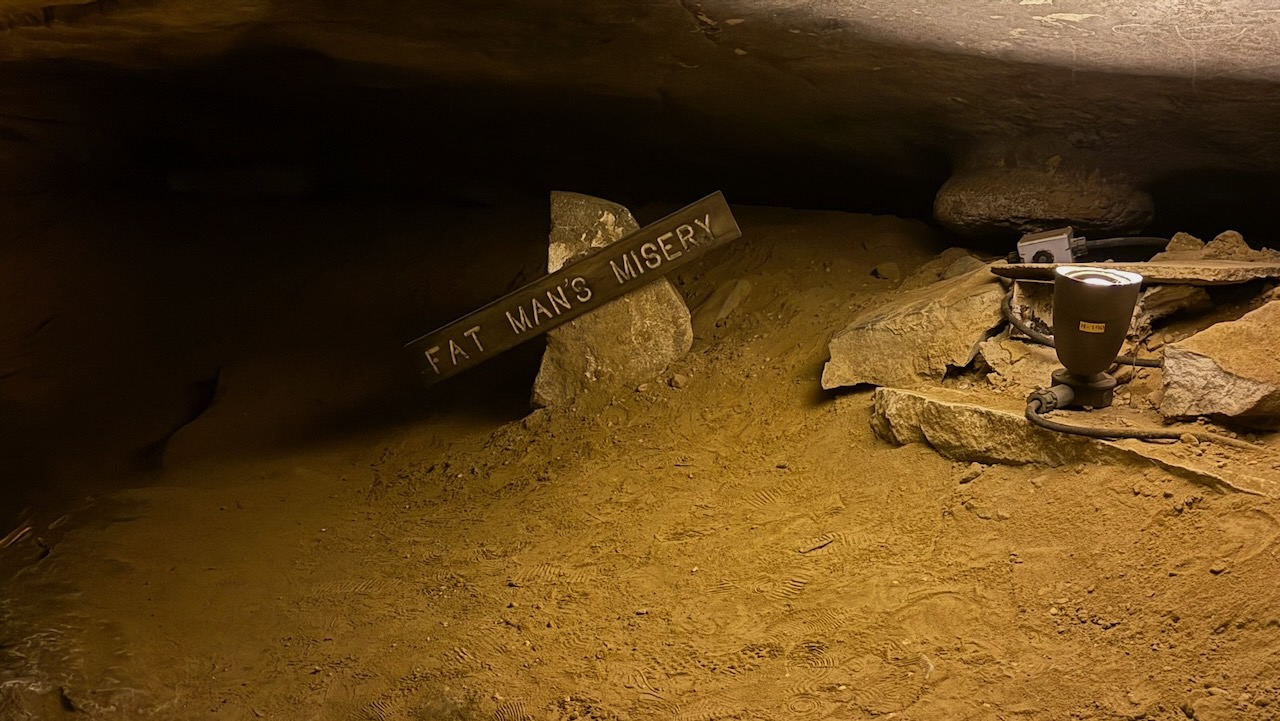
Mammoth Cave was not as exciting as Carlsbad or Wind Cave, but the caves are enormous. What made the stop was a family from Wisconsin at the campground. Planning the trip in Roadbook, I noticed I’d made a mistake with the bookings and we were missing a night between Mammoth Cave and Fall Creek Falls. Our neighbors let us pitch our tent on their site for that night, and we sat around the fire with s’mores and dinner while the kids played. Something clicked for the kids here. From then on they went looking for new friends at every campground.
Fall Creek Falls: Hiking and New Friends
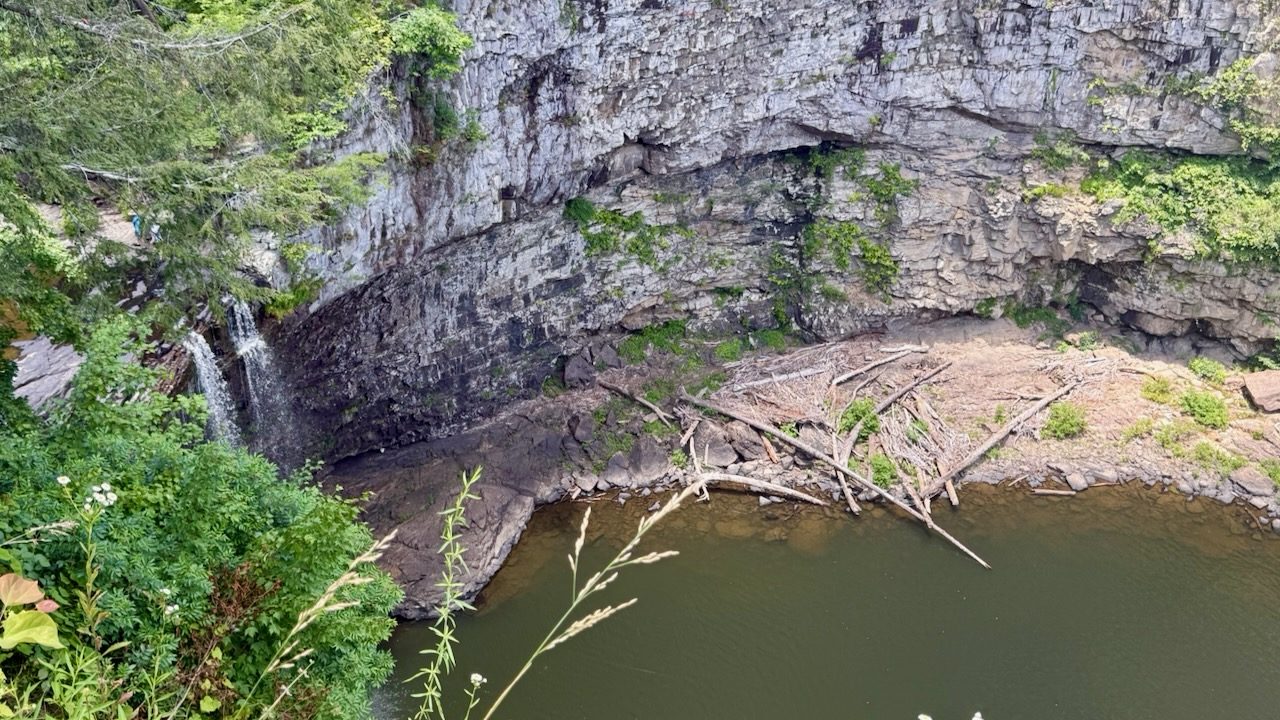
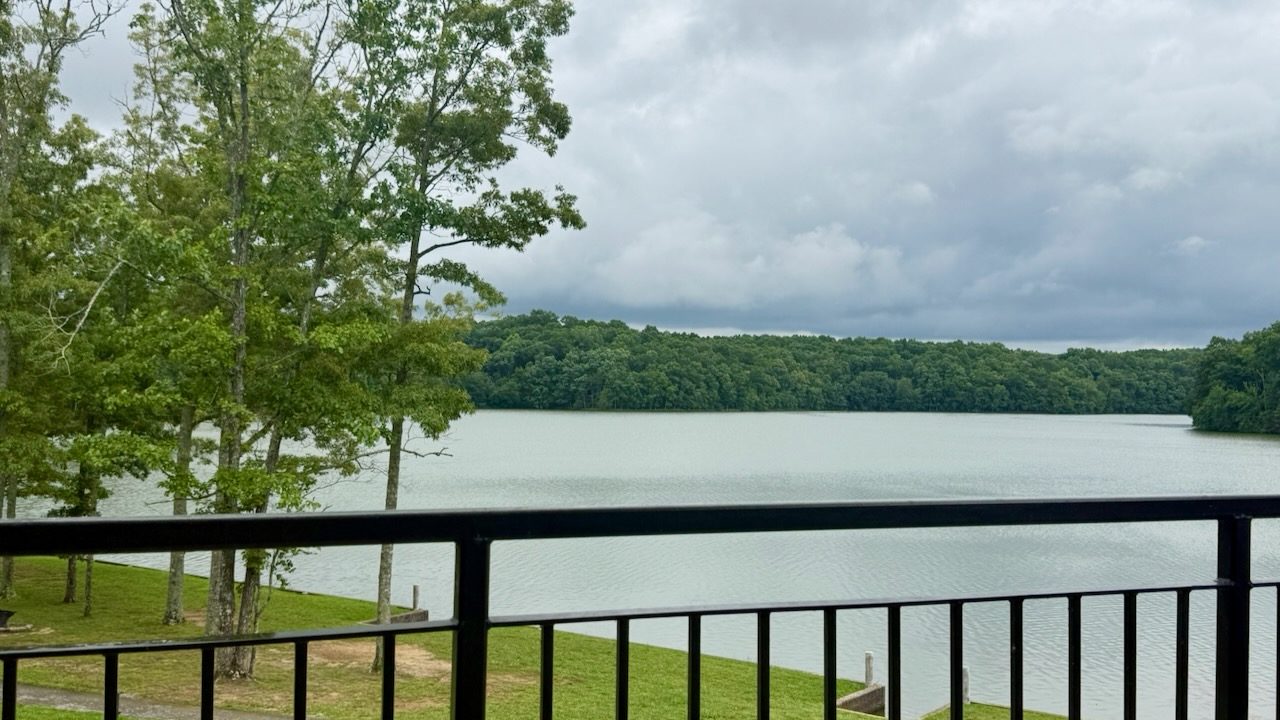
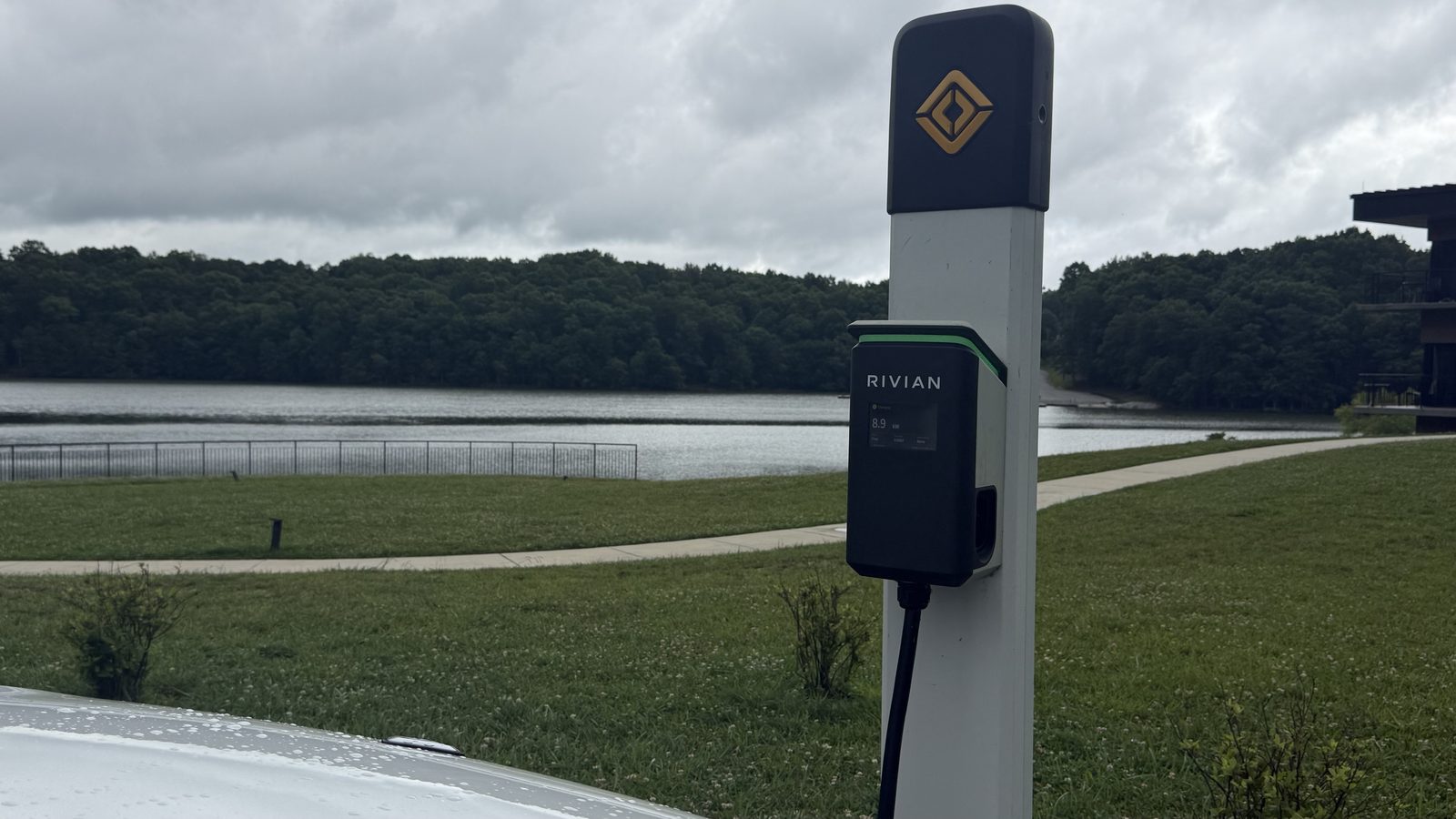
We spent four nights at Fall Creek Falls State Park in Tennessee, and it’s an excellent state park. There’s a lot of real hiking, with waterfalls and big views, the amenities are good, and there’s plenty for the kids to do in the area. The people on the campground were really nice again, and with their new habit from Mammoth Cave, the kids made some good friends here. A free Rivian Waypoint charger by the lake took care of the car.
The Smokies Were Cold in June
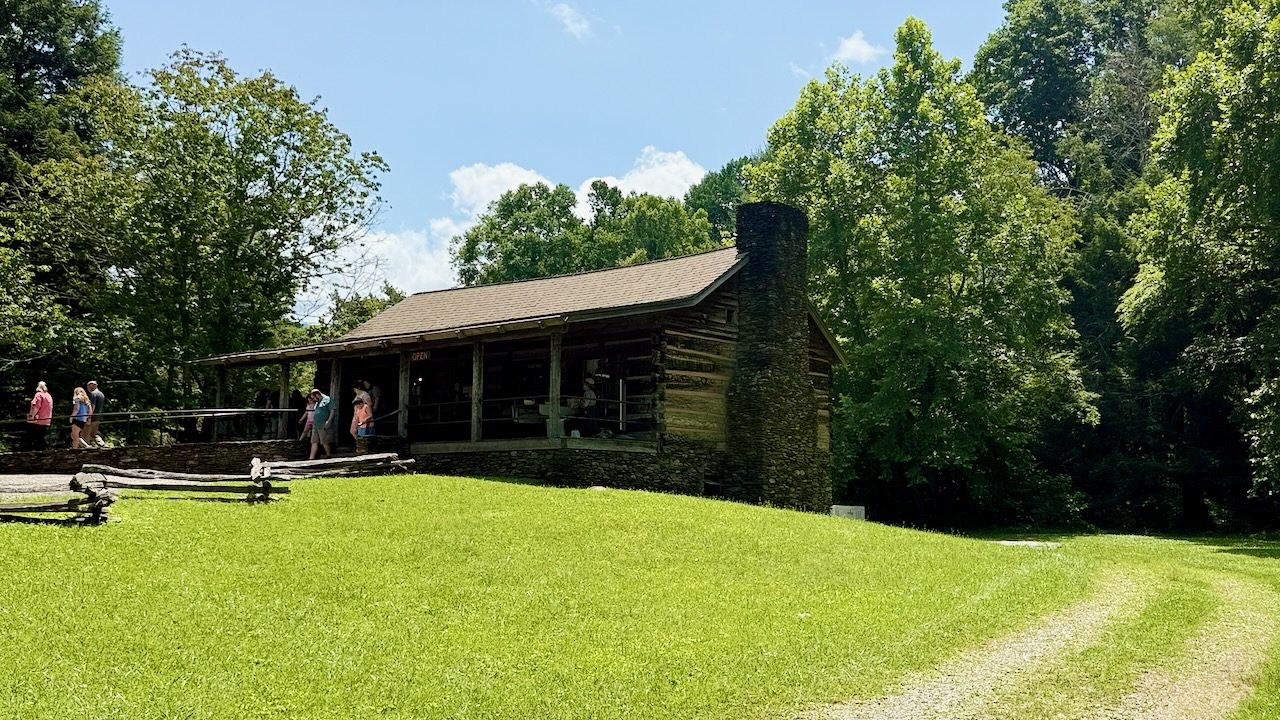
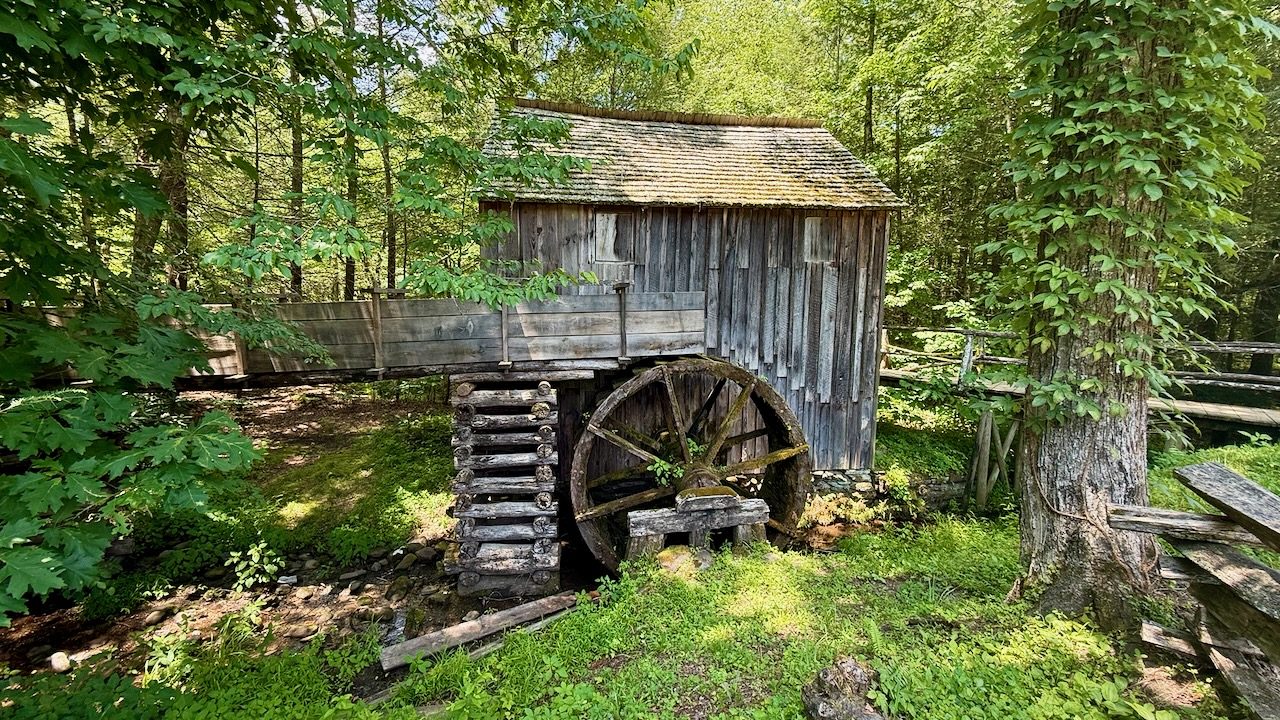
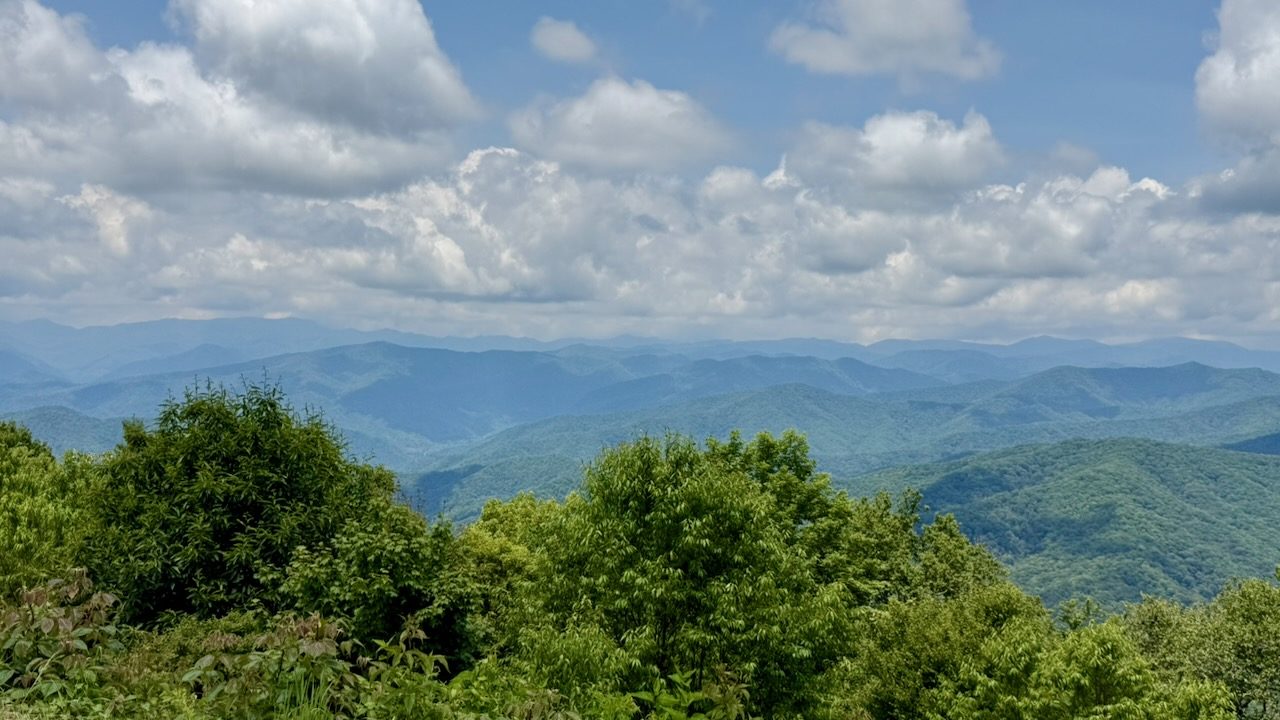
Five nights split between Elkmont and Balsam Mountain, and both were cold, even in late June. Elkmont’s riverside site was quiet and nice, with neighbors from Florida whose kids played with ours. In Cades Cove we saw our first wild bears with the kids, two or three of them, a bit far off. Our camp neighbors had gone out earlier that morning and counted 28, so timing really matters. We also stopped at a small historic homestead to see how people lived there. Neither campground has charging hookups, so we had to plan our charging before getting there.
North Carolina: Waterfalls and Fireworks
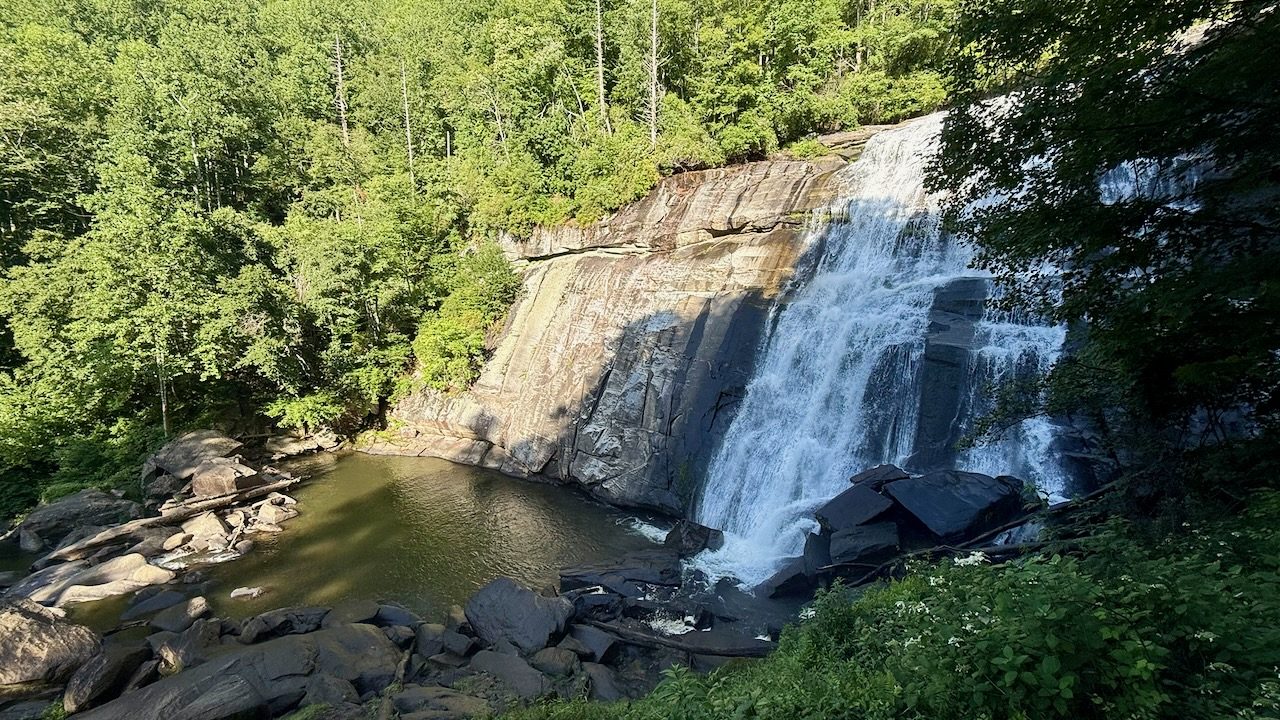
Gorges State Park had a long but doable waterfall hike. Our “half shade” campsite sat in full sun through a heat wave, but the bathhouse was spotless. The mosquitoes in the east were bad, and North Carolina was the worst. The DEET spray was much needed here. In most other places the natural mosquito spray worked just fine.
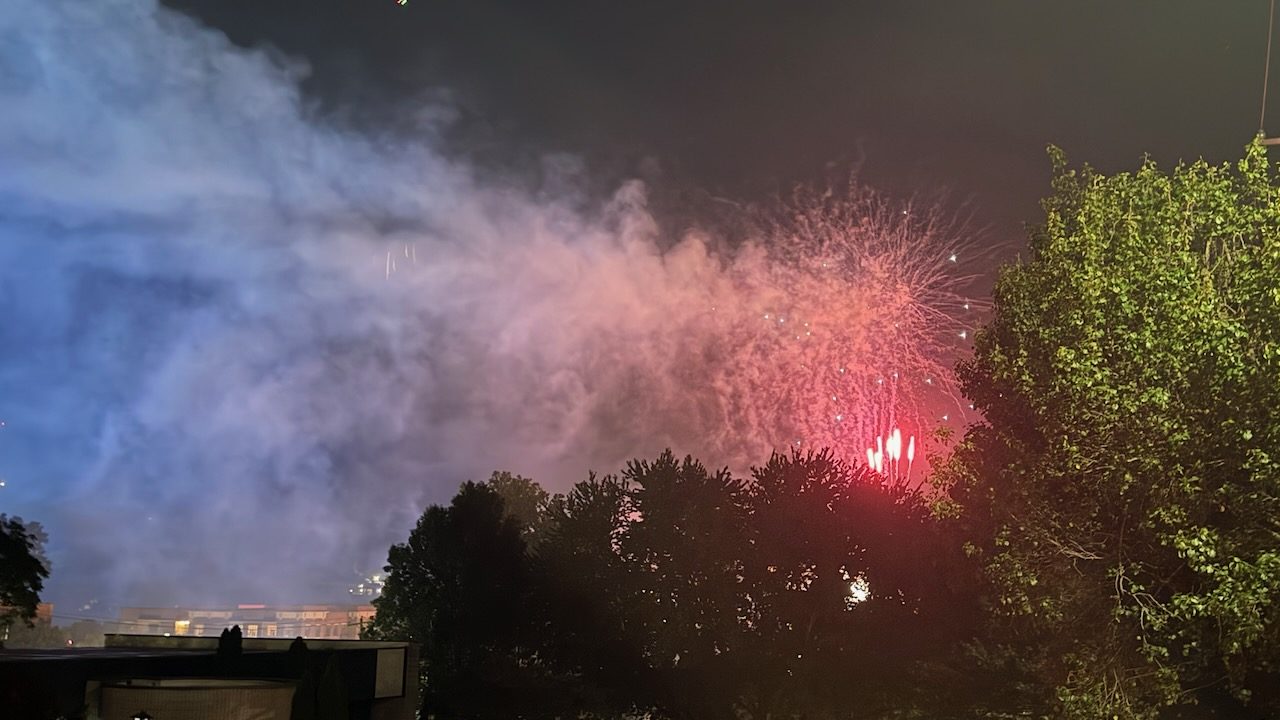
Everyone told us Asheville is the Boulder of the East. We came from Boulder, and it’s not. I was very disappointed. There are breweries and hipster places, but none of them convinced me. The mall near our hotel was a ruin, and with the homelessness and drug use around, I didn’t feel safe. The fireworks for the 250th anniversary of Independence Day were meh. The kids loved them anyway, and at least the hotel had free charging.
Blue Ridge to Shenandoah: Bears on the Road
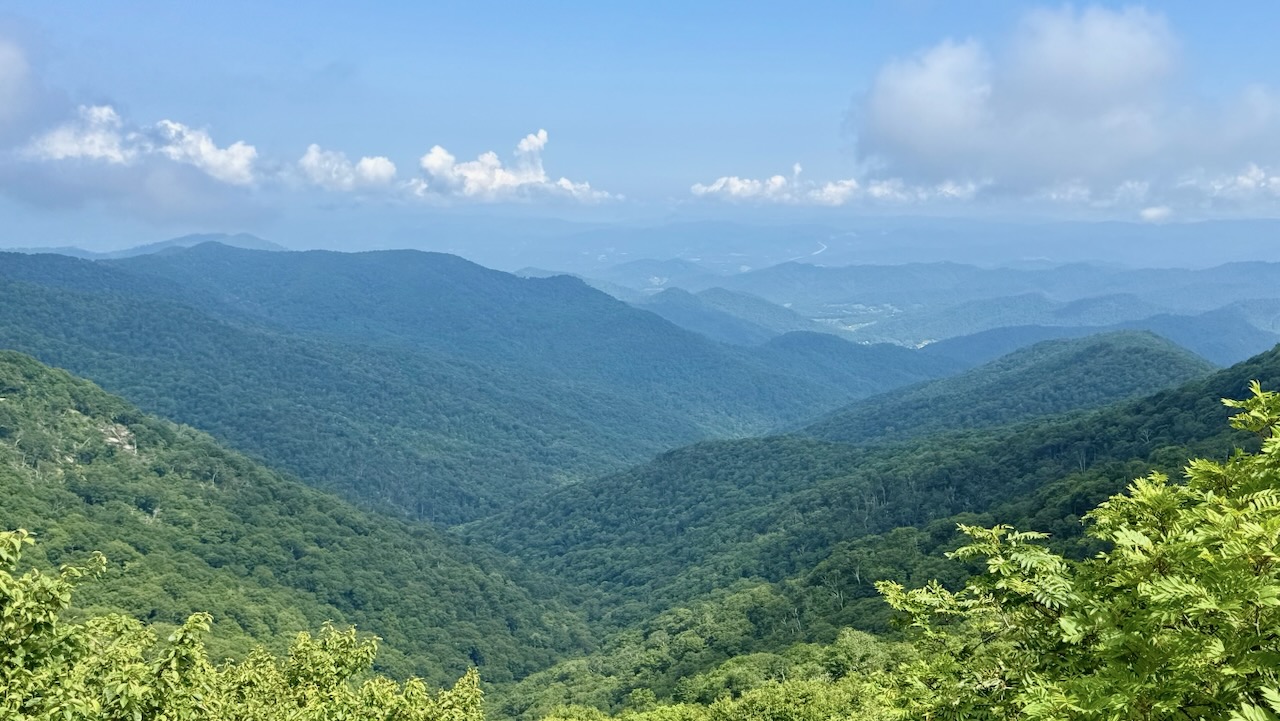
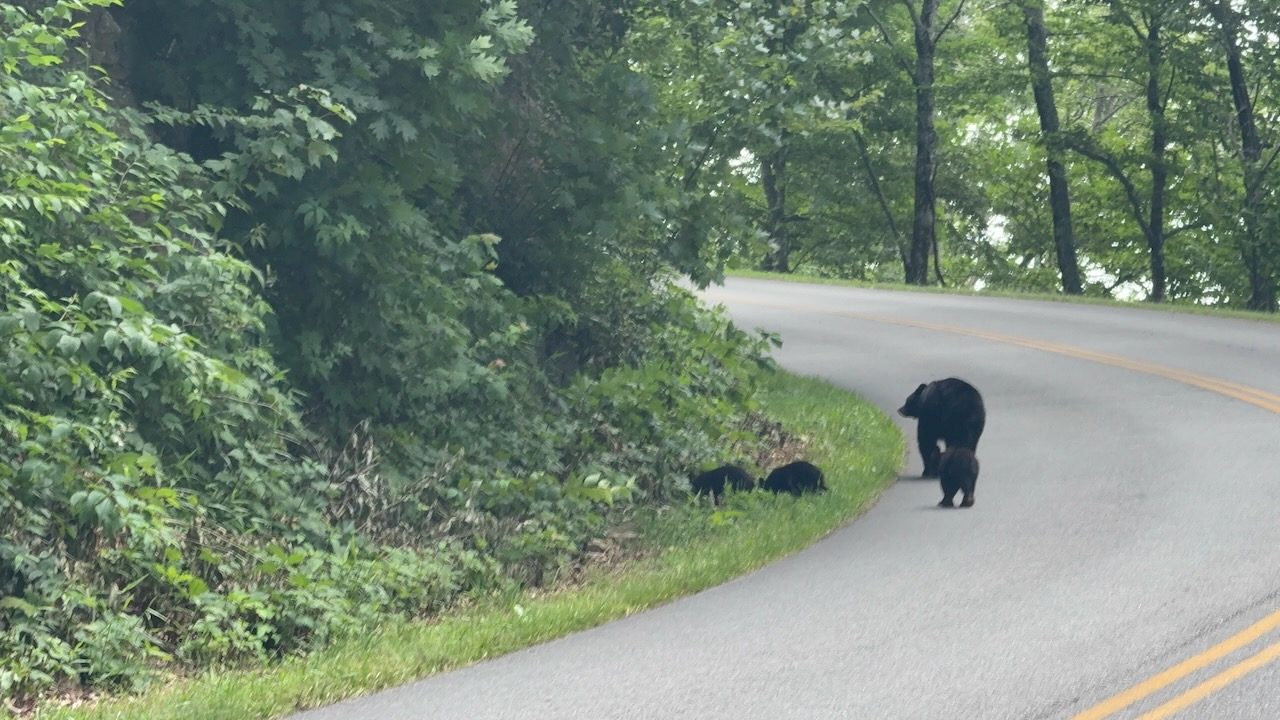
We left Asheville for Shenandoah and drove onto the Blue Ridge Parkway. About two hours in, a closure turned us around. On the way back we saw a mother bear and three cubs strolling and eating berries right on the road, which made the detour worth it.
Between the closure and the parkway’s 35 mph limit, we couldn’t make Shenandoah that day and headed for Blacksburg, Virginia, instead. We arrived in a crazy rainstorm, missed our exit, and lost about 30 minutes each way on a low battery. At the hotel there was no charger for us. One of the stalls had been broken for a long time and nobody had bothered to fix it. Three other EVs had the same problem.
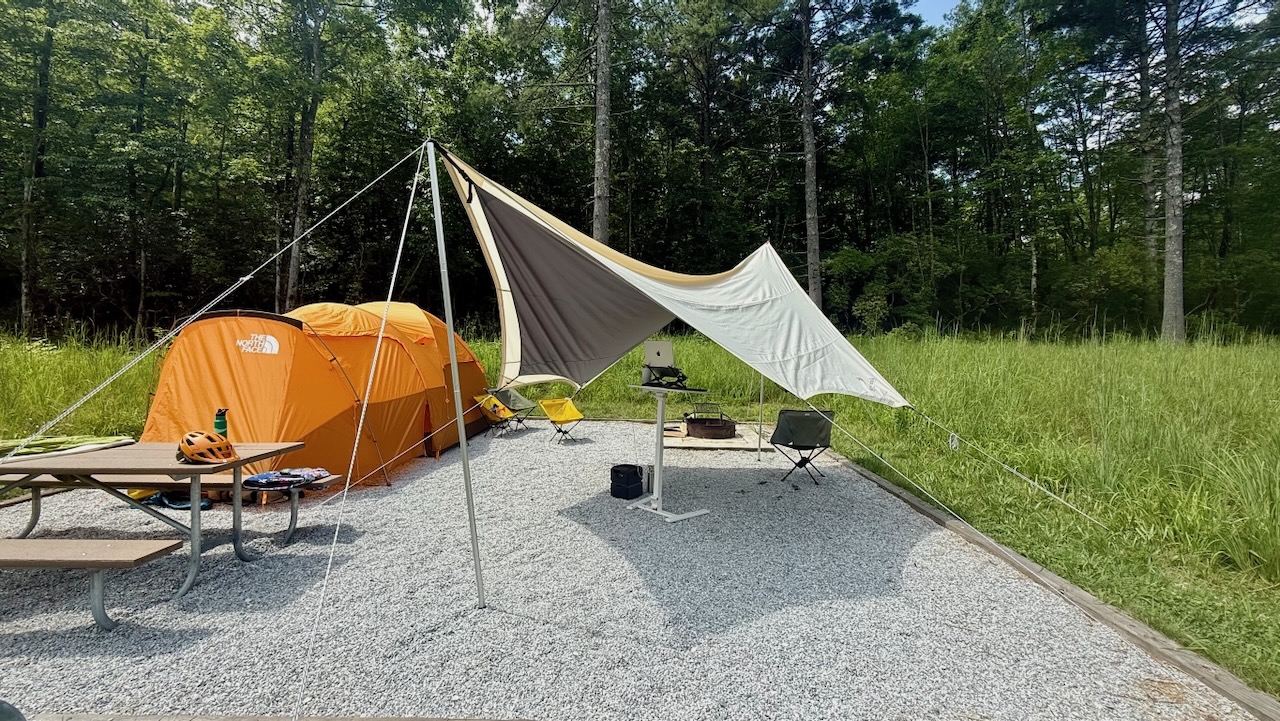
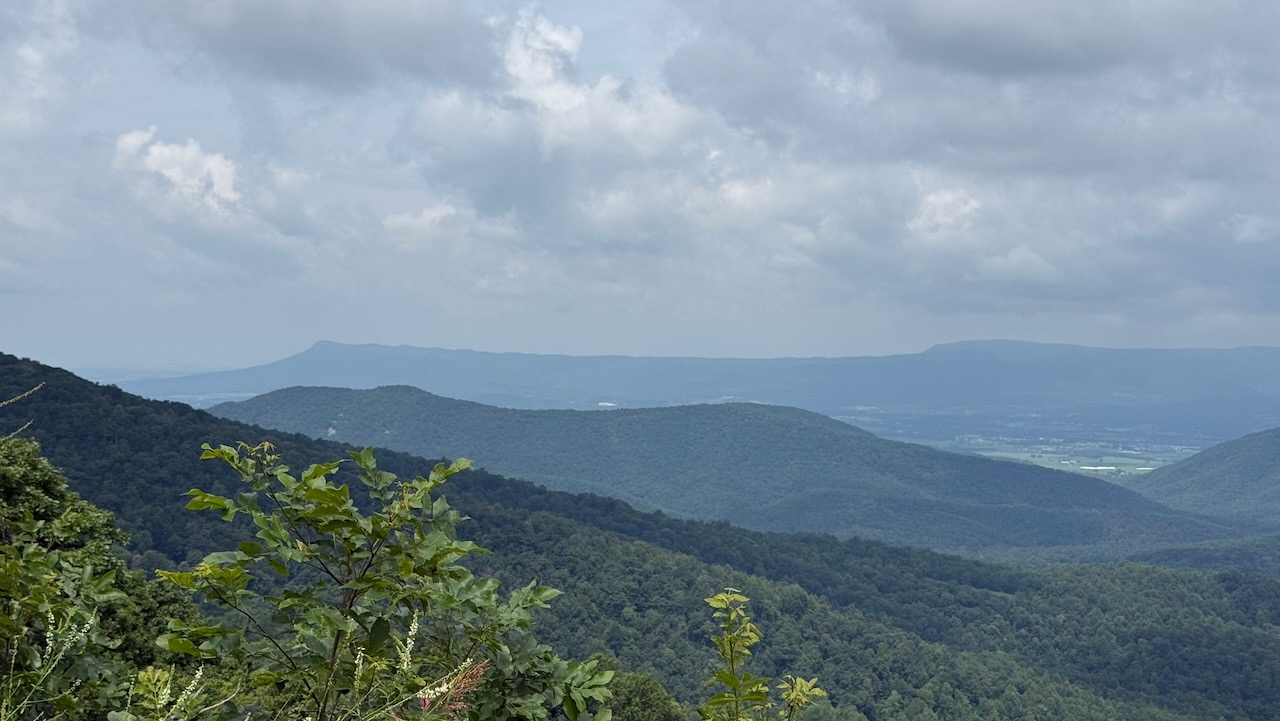
Shenandoah was one of our longest stays, and it rained every single day. Fun at first, less so after a few days. We didn’t hike or drive much, chargers were scarce, and work got in the way more than we’d have liked (the setup that kept us online is in Remote Work in Remote Places). I went for an early run on the Appalachian Trail, and the trees there are huge. The best part was a family from Alexandria who arrived partway through. We became good friends over a few days of campfires, stories, and s’mores every evening. We also helped a guy from New York City pitch his first tent and light his first fire, ever.
Washington, DC: A Quick Loop
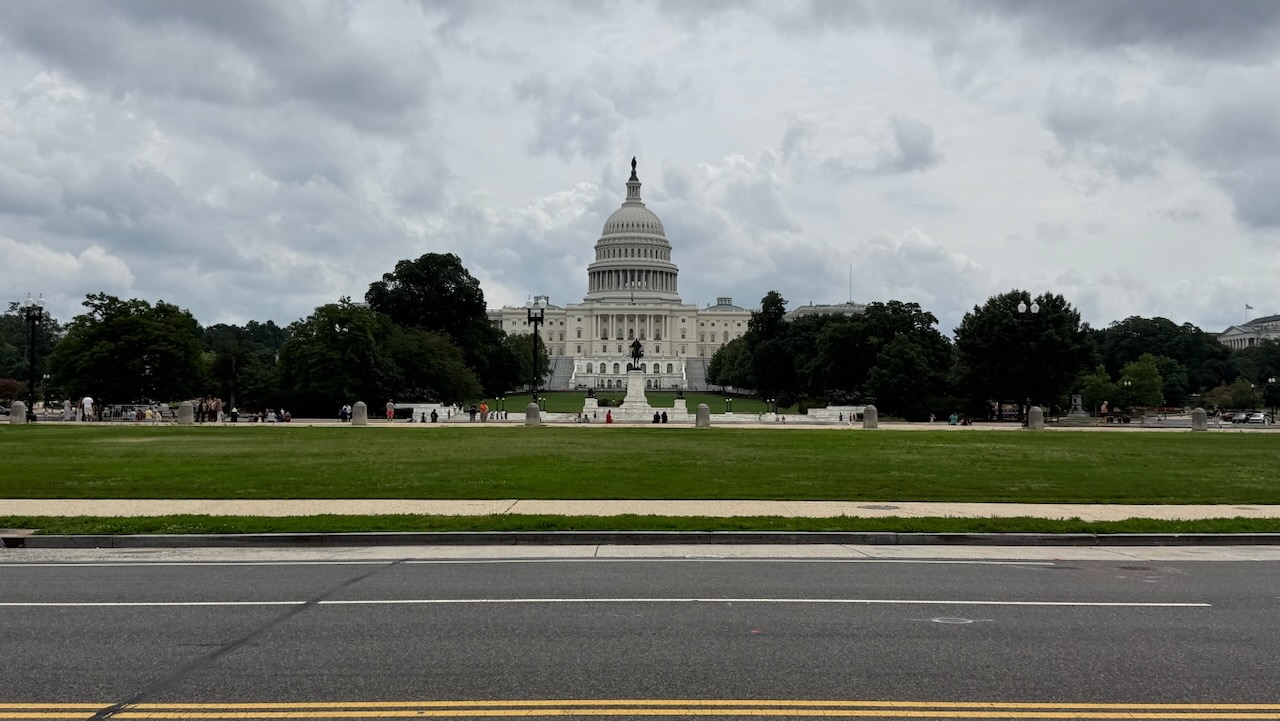
We stayed in Bethesda and arrived late enough to go straight to bed. The next morning we did a quick loop: the National Cathedral, past the monument with every state listed on it, past the White House. A FIFA World Cup event had the streets full of people, military, and security, and there was no parking anywhere, so we left downtown early.
Pennsylvania Dutch Country: Trains for the Kids
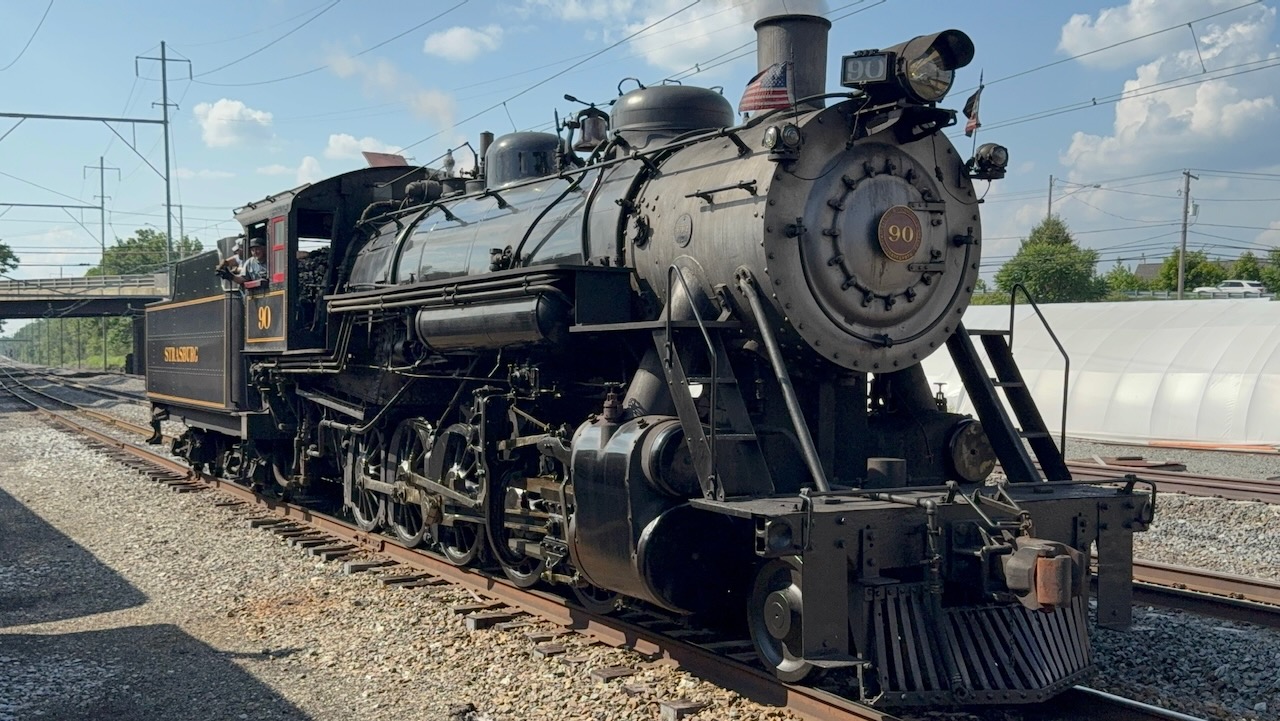
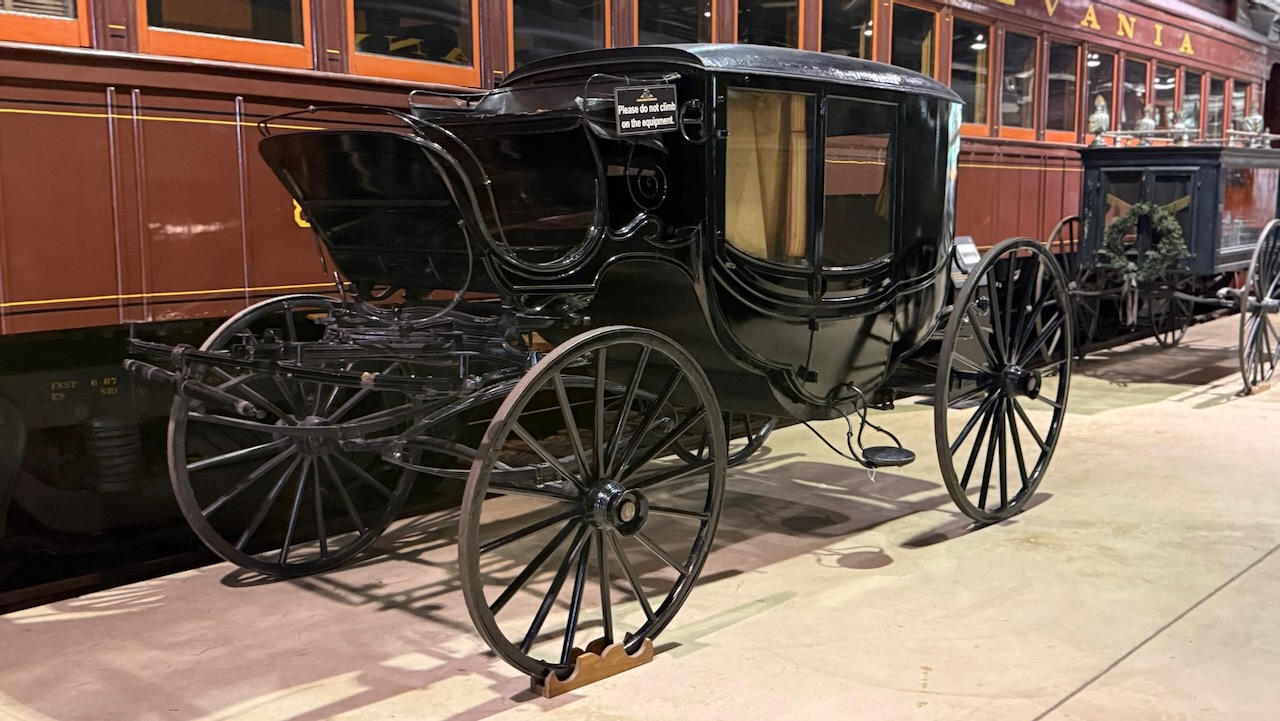
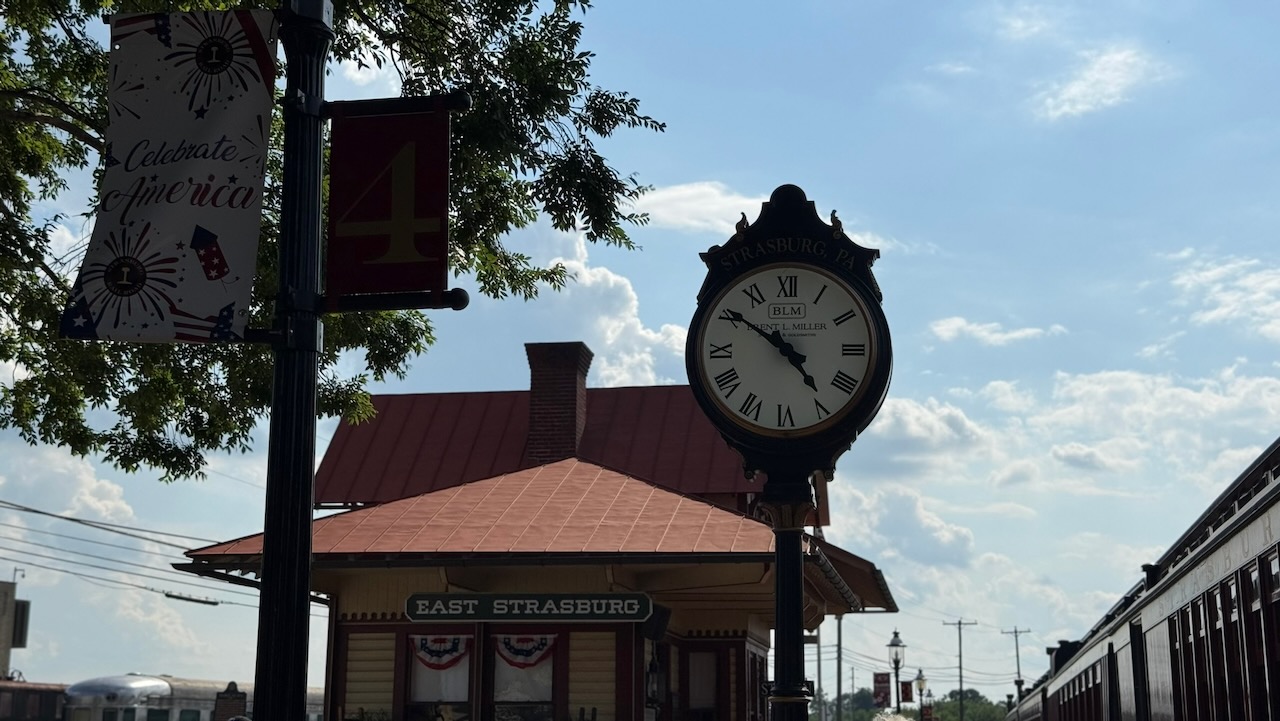
The kids loved Strasburg’s Railroad to Paradise, especially the steam engine train. We stayed at Hershey Farm Resort nearby, chosen mostly for charger availability and a fabulous breakfast. It turned out to be a great day, with trains, farm animals in the yard, and a new friend the kids made at the resort. The Red Caboose restaurant was just fine though.
New England: Lobster Rolls and Cannoli
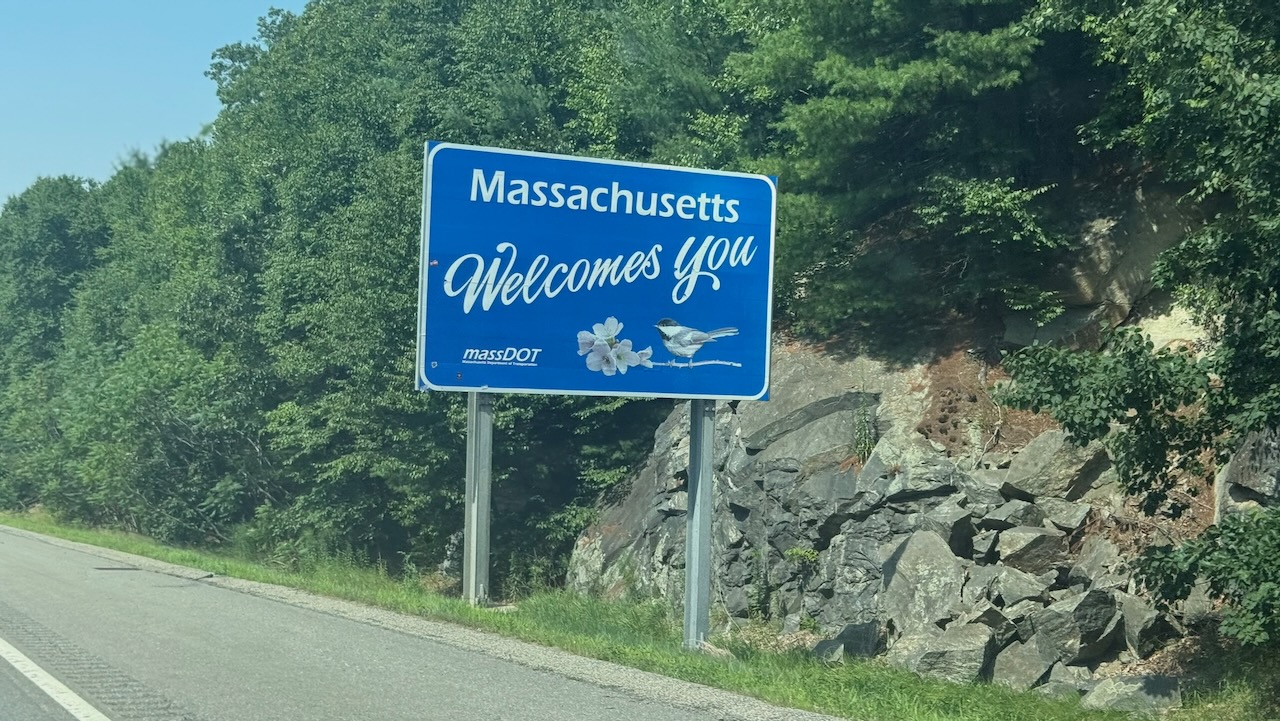
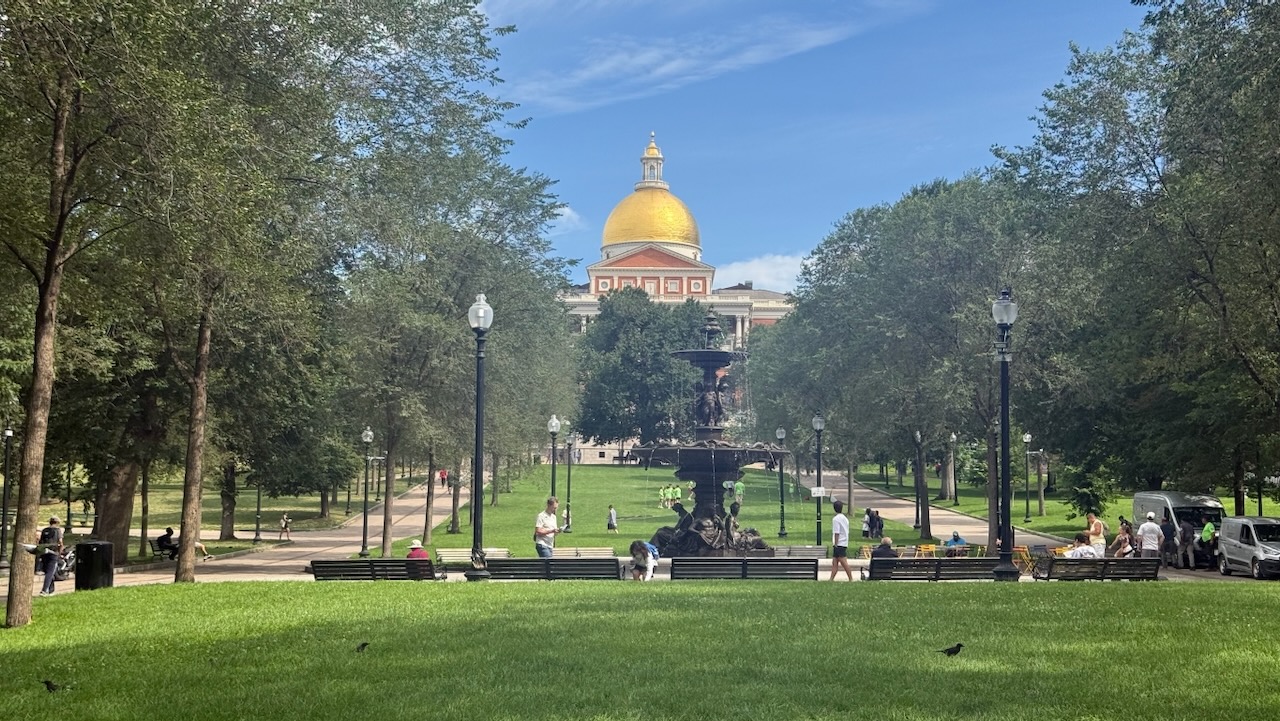
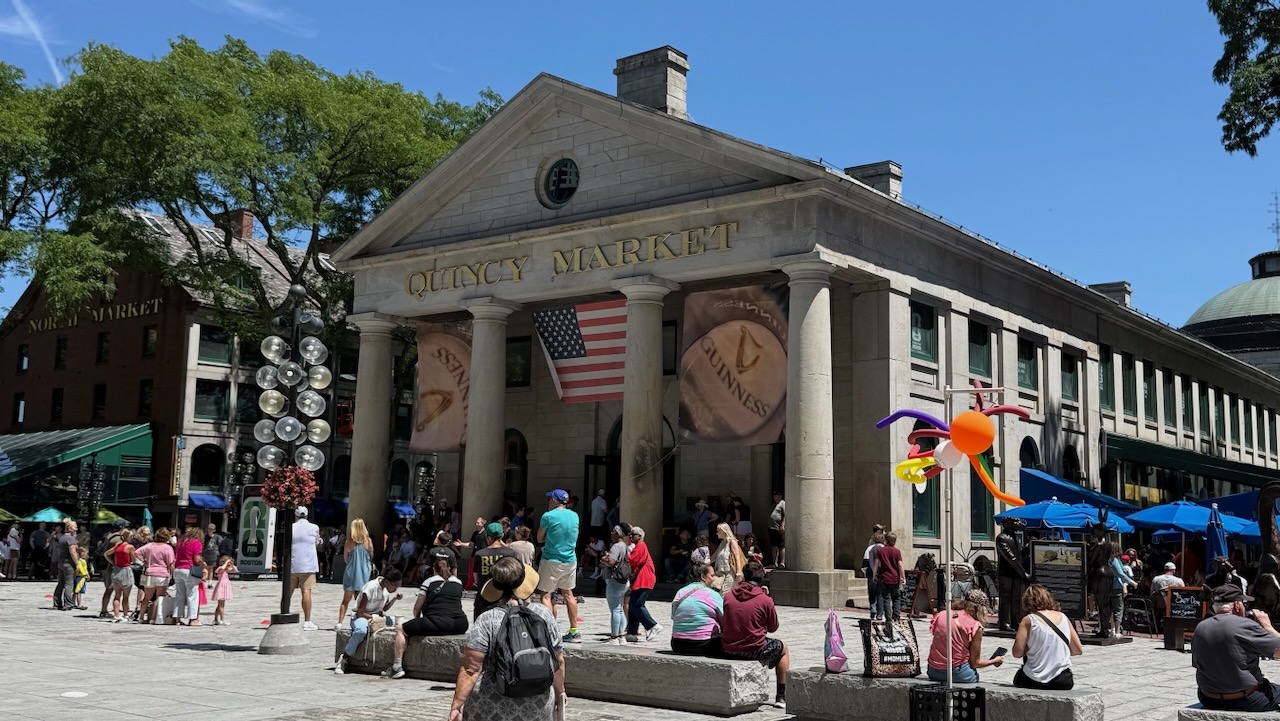
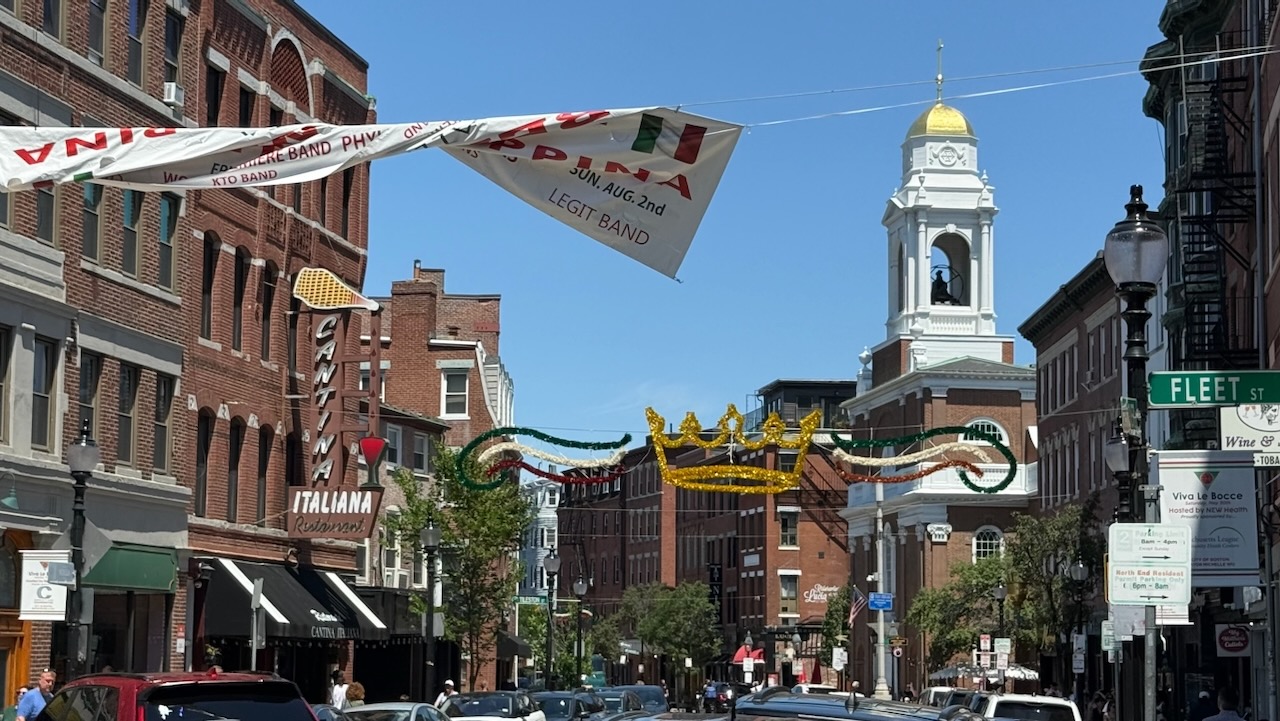
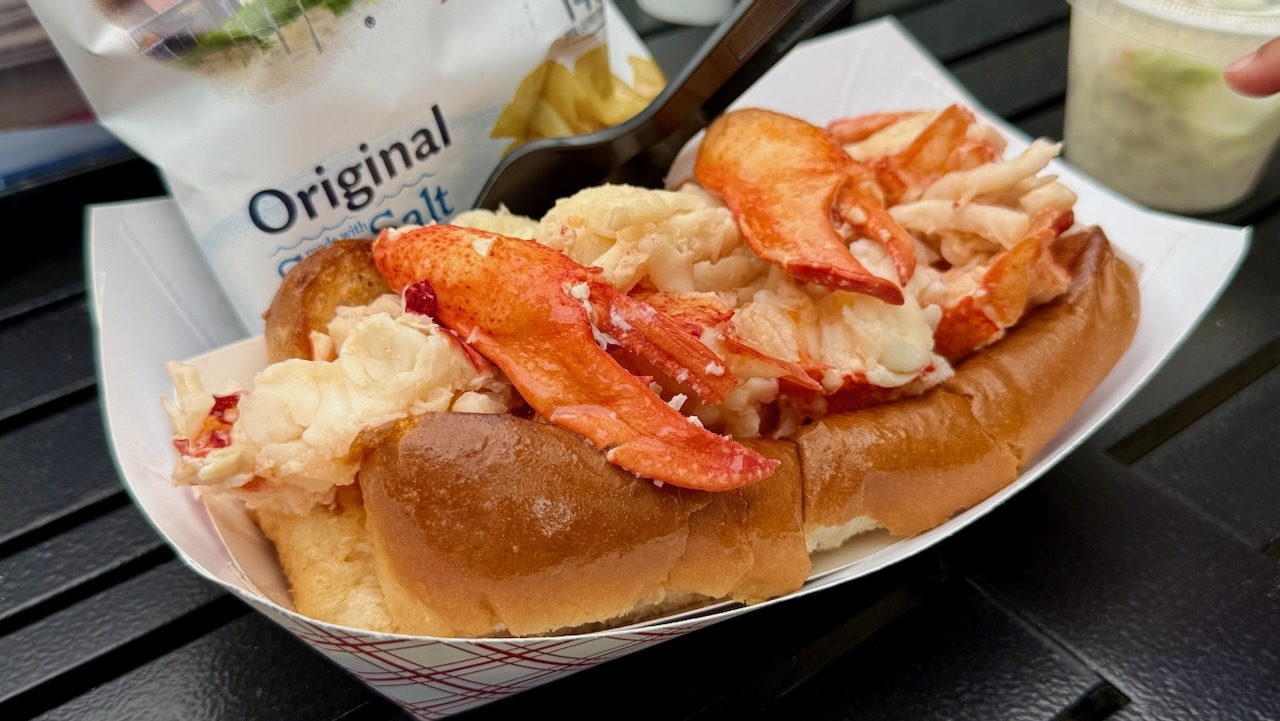
New Haven was a work stop. The kids spent the days at the library while I met up with colleagues. On the way out after two days we had a lobster roll at Captain Scott’s. It was a great first one, but nothing next to what Maine would serve us later. In Cambridge and Boston we did Harvard, the natural history museum, and a lot of walking. We wanted a proper meal in Boston’s Little Italy, but most places were cash only and none of our cards worked at the nearby ATMs. Mike’s Pastry was crazy busy but so good, and we picked up a make-your-own cannoli kit for friends in Maine.
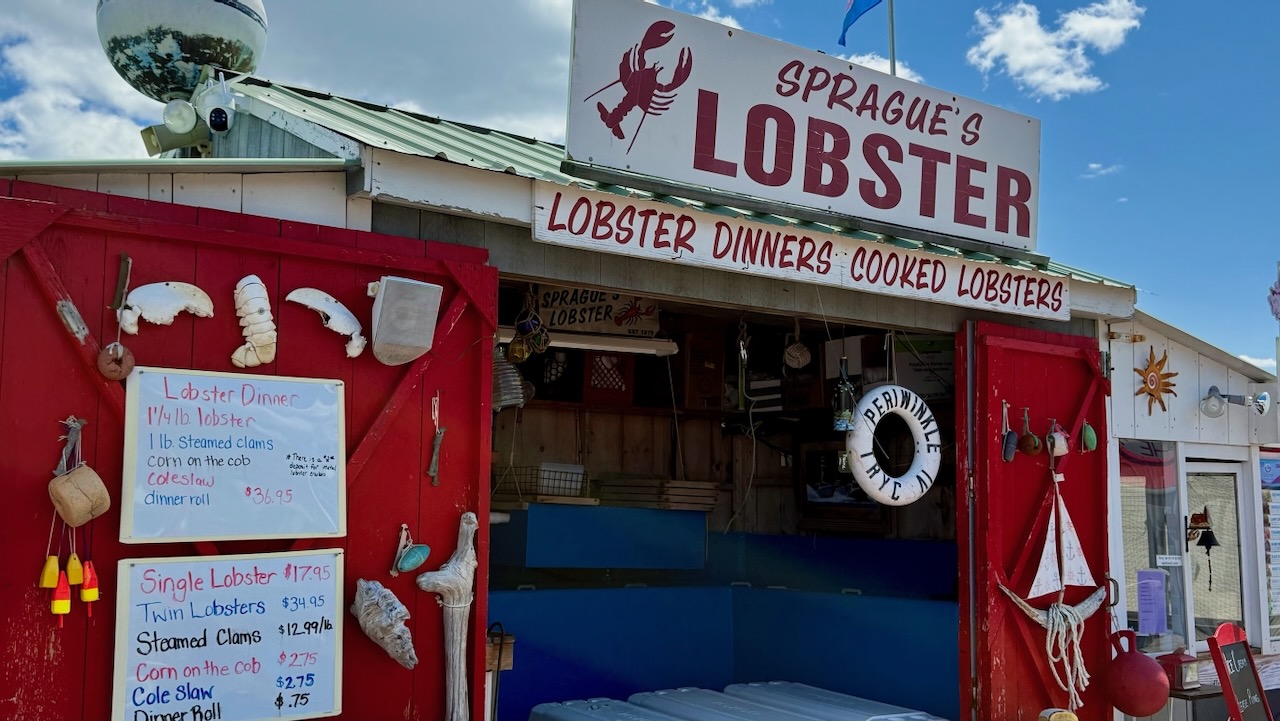
On the way to South Bristol we stopped at Sprague’s Lobster in Wiscasset, cash-only but very much worth the hassle.
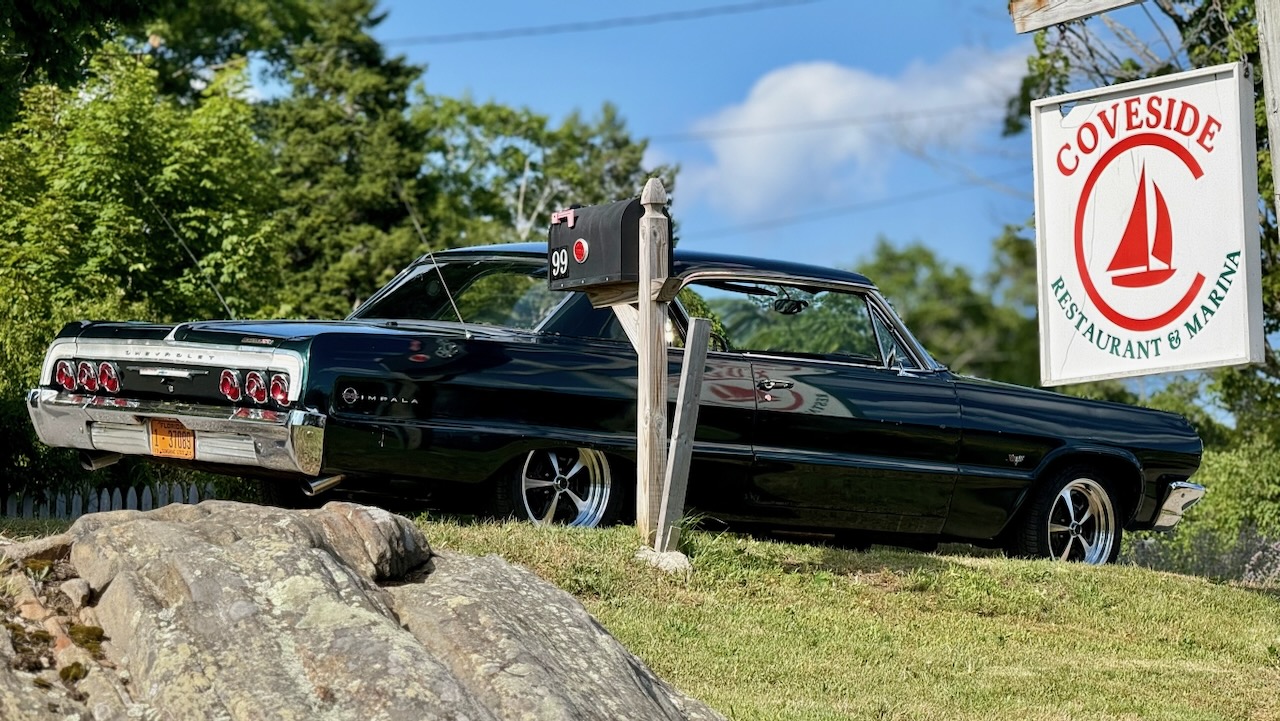
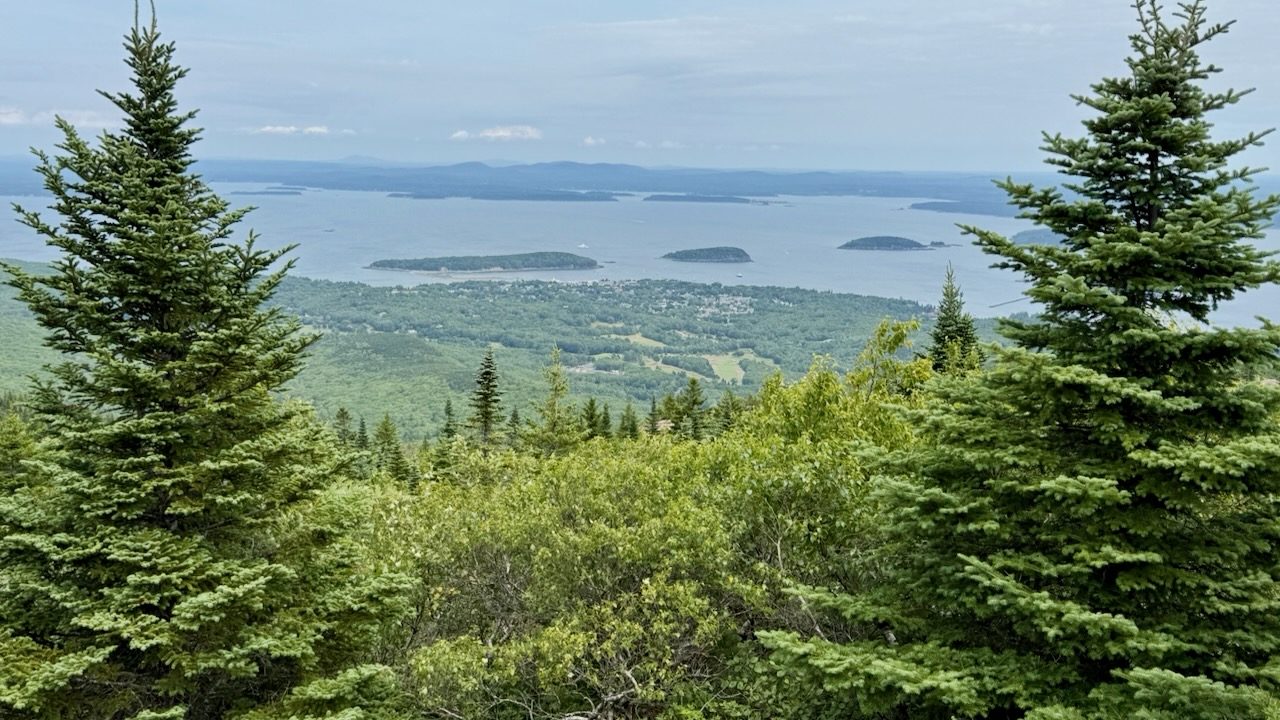
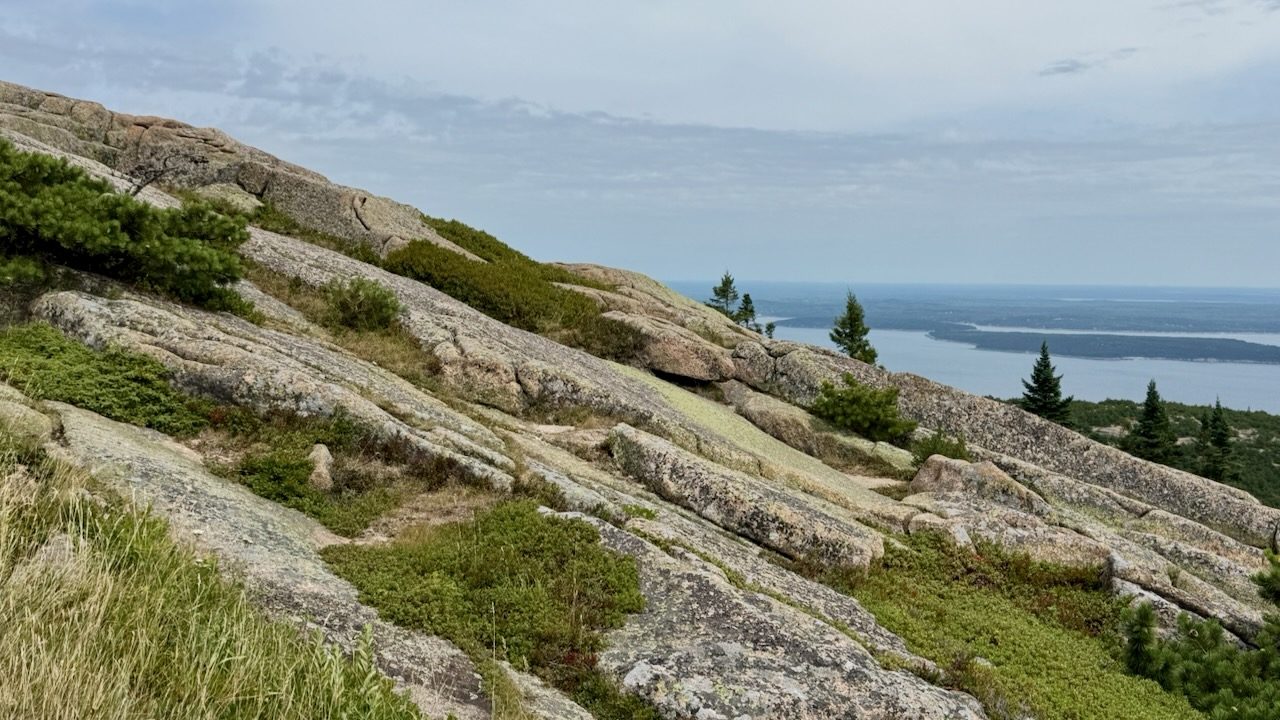
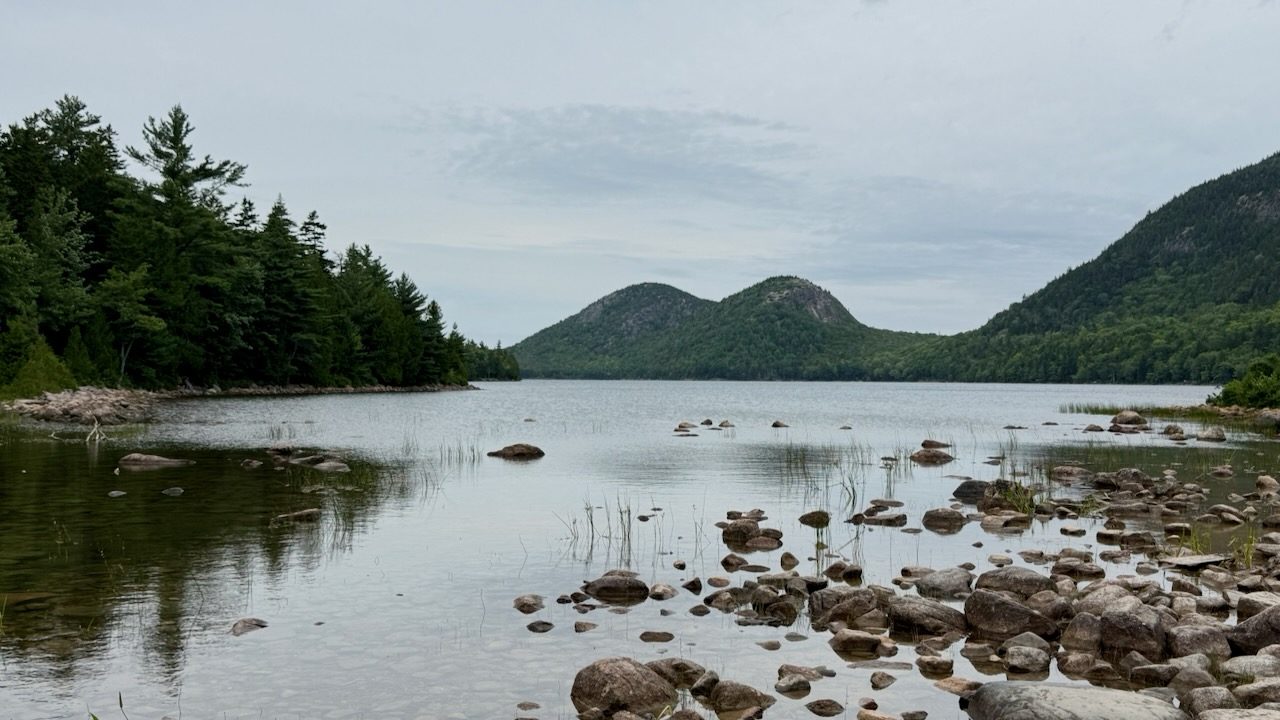
We had two nights in Acadia, at Bar Harbor Campground, and the weather didn’t play along. We didn’t get a single hike in. Instead we drove the Park Loop, went up Cadillac Mountain for the view over Frenchman Bay and its islands, stopped at Jordan Pond with the Bubbles behind it, and spent some time at the beach. Even seen mostly from the car, it’s a very impressive park. On the last morning we packed up the tent in the rain. Packing a soaked tent sucks.
White Mountains: Inside a Cloud on Mount Washington
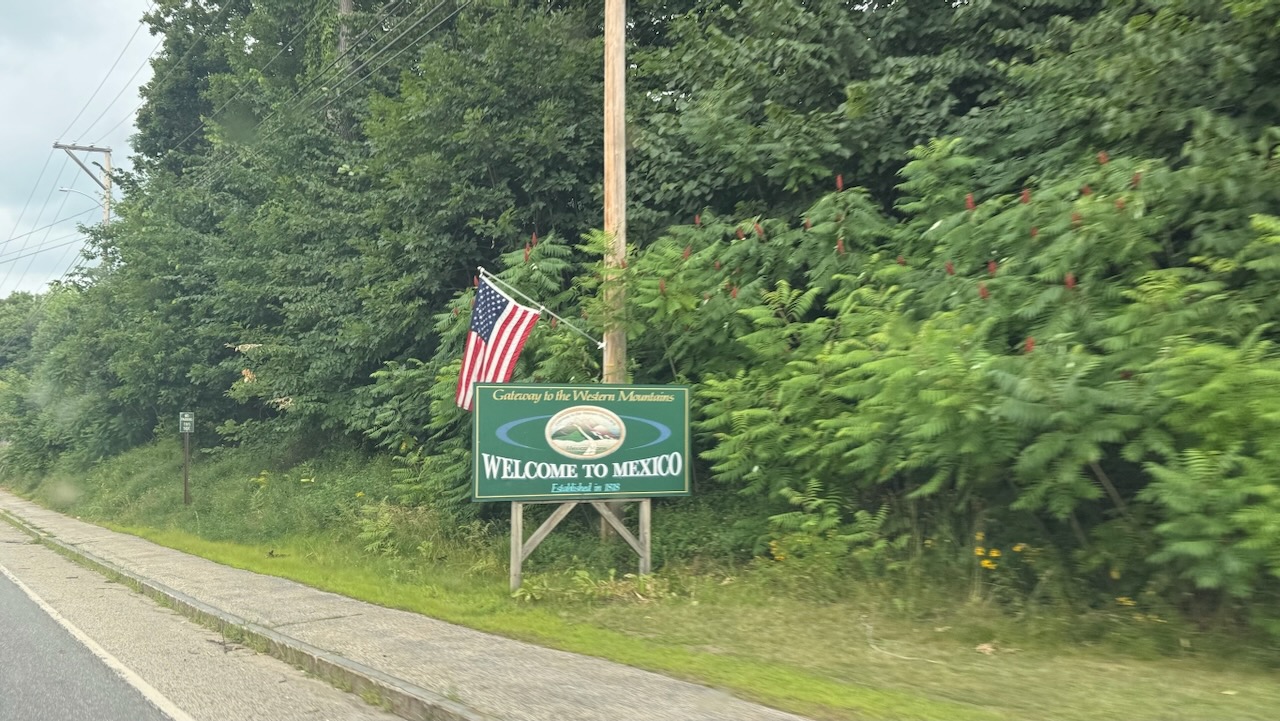
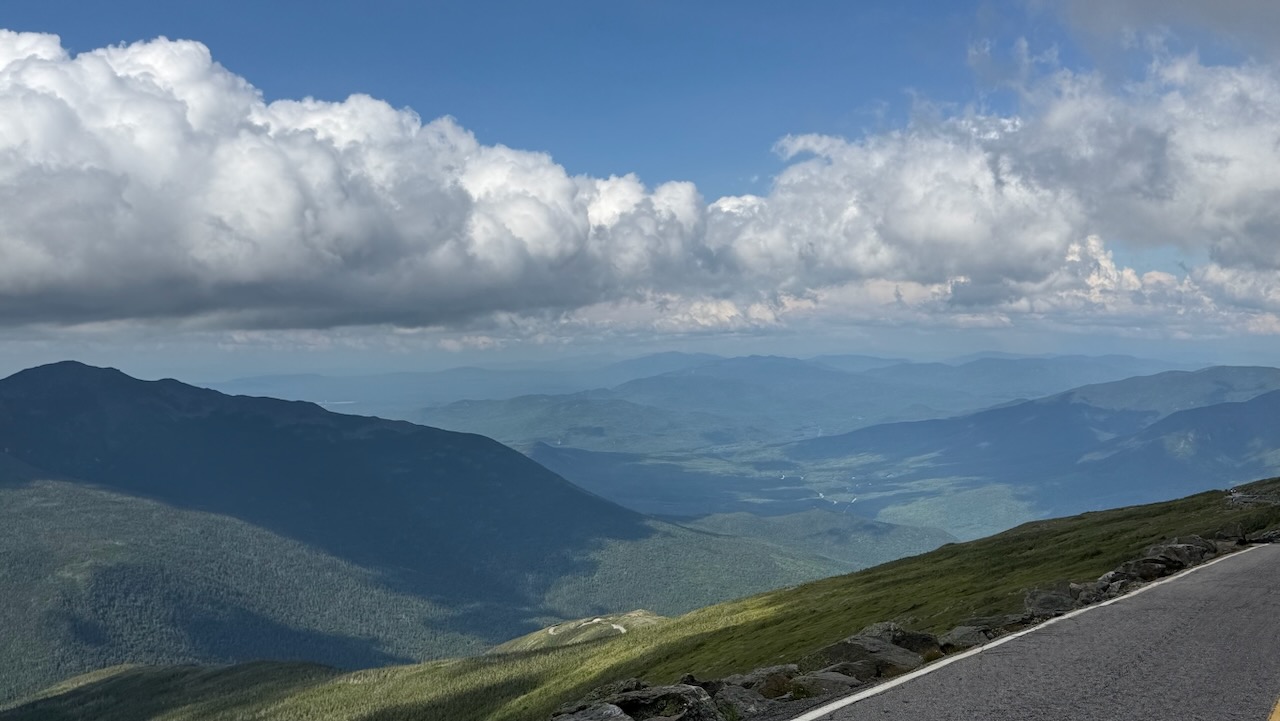
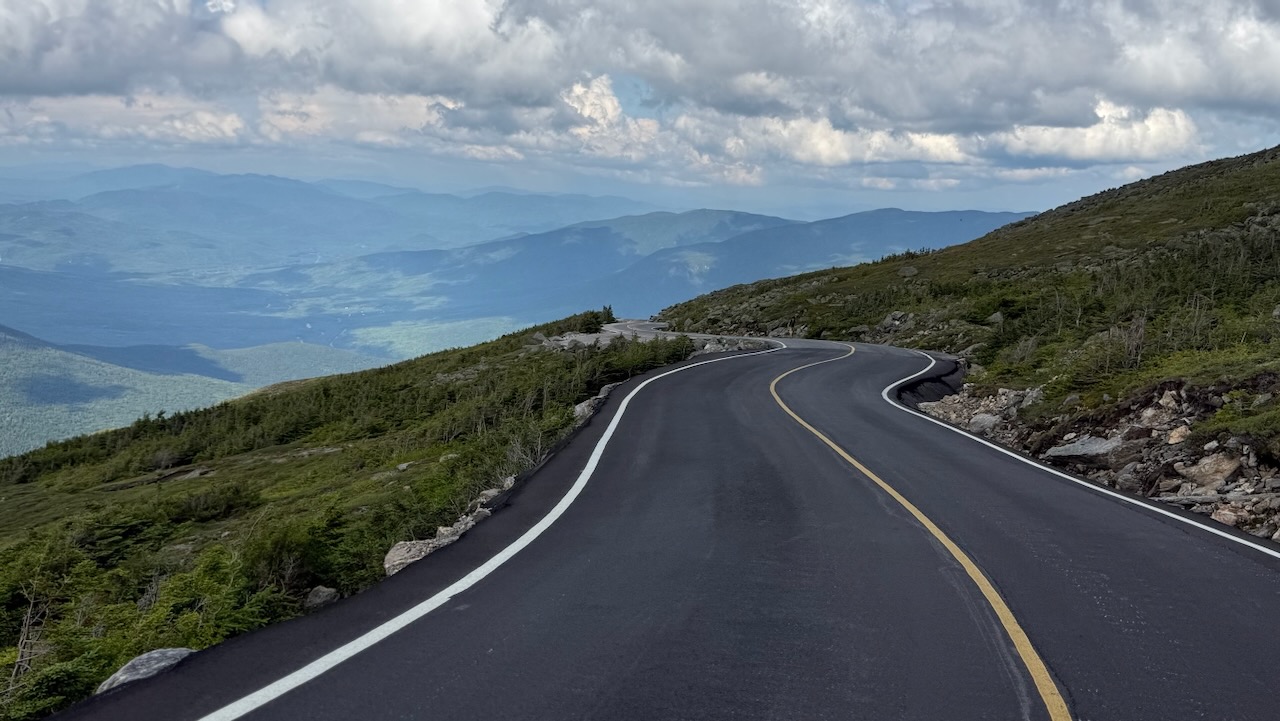
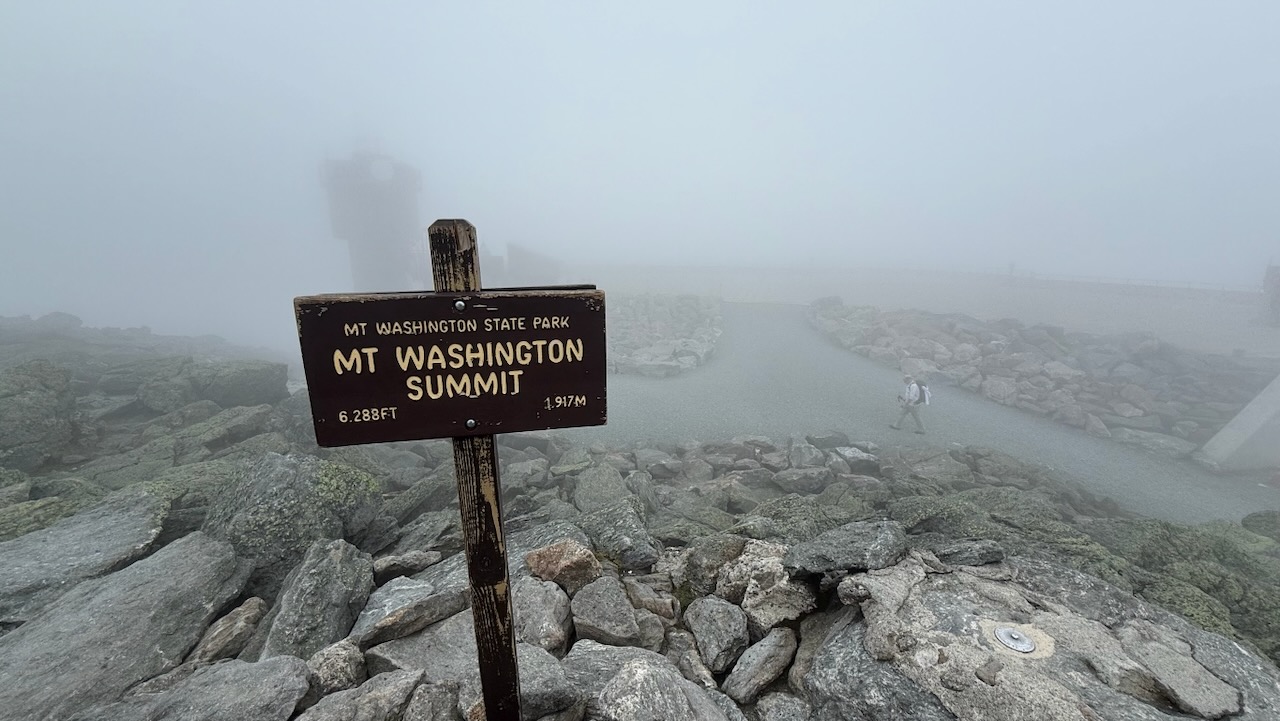
On the way we passed Peru, Mexico and Berlin, with Norway, Sweden and West Paris not far off. The early settlers weren’t very creative with names, I guess. We’d planned to take the Mount Washington Cog Railway up, but it turned out too complicated to arrange, so we drove the auto road instead. Pricey, but a great drive, with the weather changing fast enough to watch it happen. Fog rolled in near the summit, it got cold, and we were, briefly, inside a cloud. Only one of the kids and I got out of the car at the top. A plaque there says an observatory crew measured a wind of 231 mph in 1934, the highest ever observed at the time. And we got lucky: the cog train rolled out of the fog into the summit station, which thrilled the kid more than almost anything else on the trip.
The motel in Gorham had a free charger, but just 4 kW and one plug. We got lucky: 30 minutes later another EV pulled up.
Vermont to Niagara: The Kids’ Favorite Week
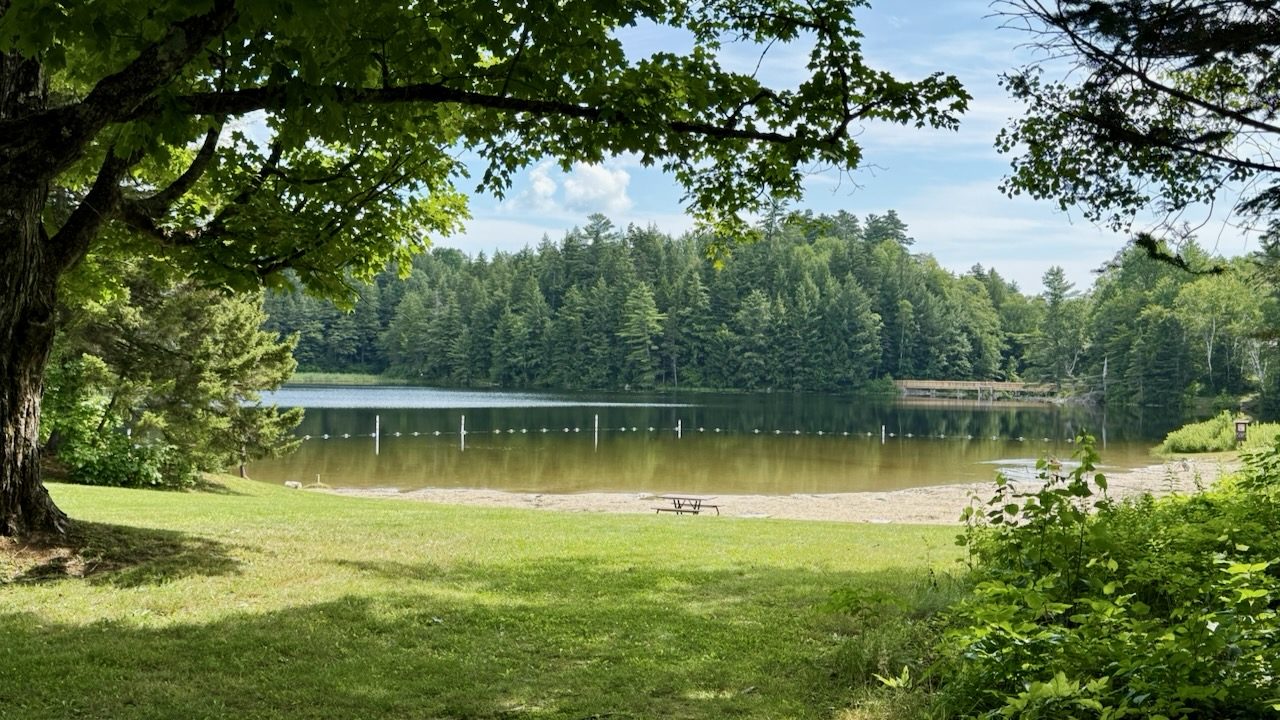
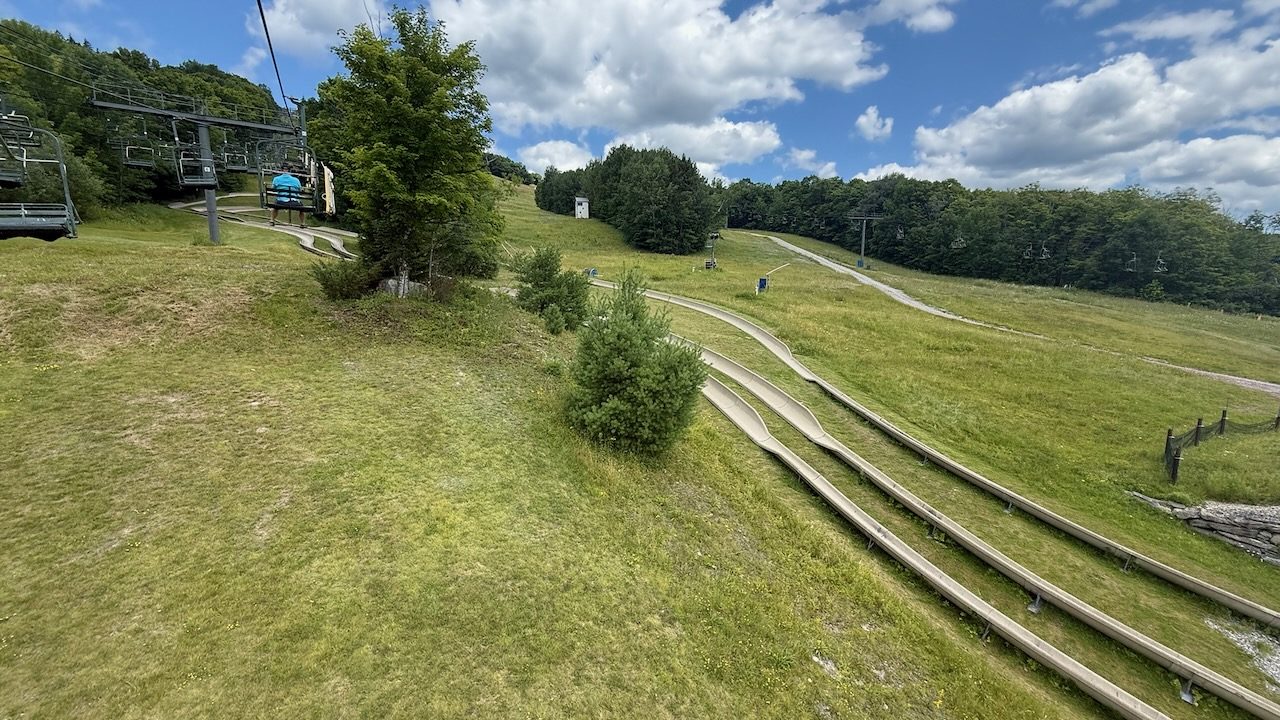
Hapgood State Park in Vermont, near Bromley Mountain, is near the top of the kids’ list. A lake day, then a full day at Bromley’s mountain adventure park on a single ticket (roughly $40-50 per person) that covered everything with no extra cost per ride. I’ve been to many of these in Europe and was glad my kids could experience one here in the US as well. There’s an old summer sled there, supposedly one of the oldest in the country. One of the kids spent hours in the bumper-boat pool, crashing four little boats into each other. The other wouldn’t leave the water slide.
Syracuse was a charging-and-laundry stop, and a good one: free laundry and free EV charging at the TownePlace, exactly what we needed at that point in the trip.
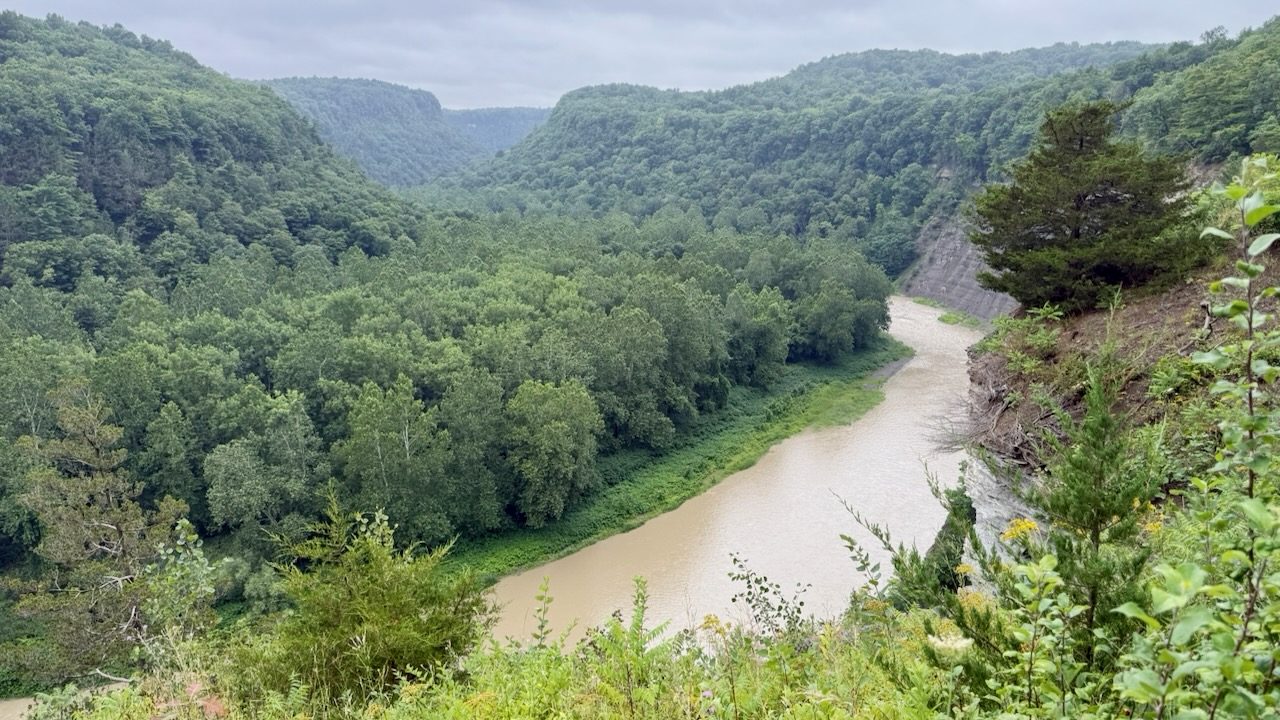
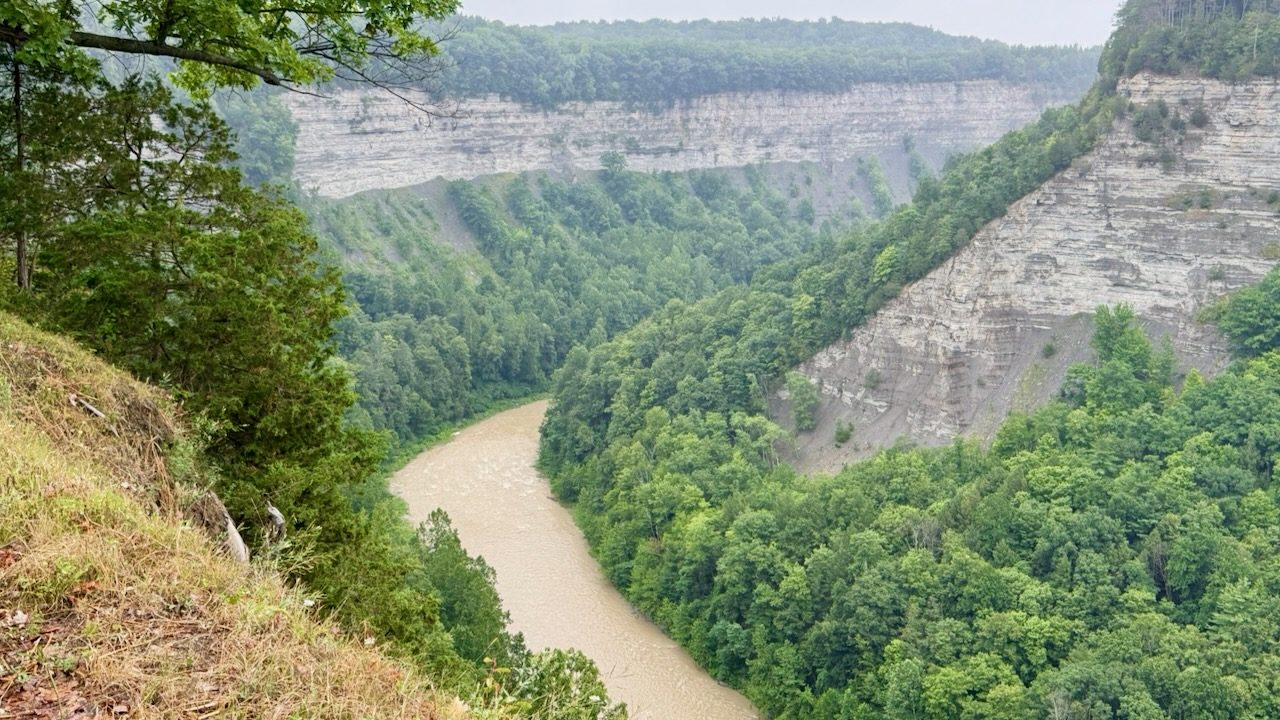
Letchworth had charging hookups and waterfalls. A full day of heavy rain turned into productive coffee-shop work while the kids hung out at the library. After the cash disasters in Boston and at the lobster stops, we had started carrying cash. The shop gave a 4% discount for paying cash. I paid cash. So much smarter than just turning card payments away.
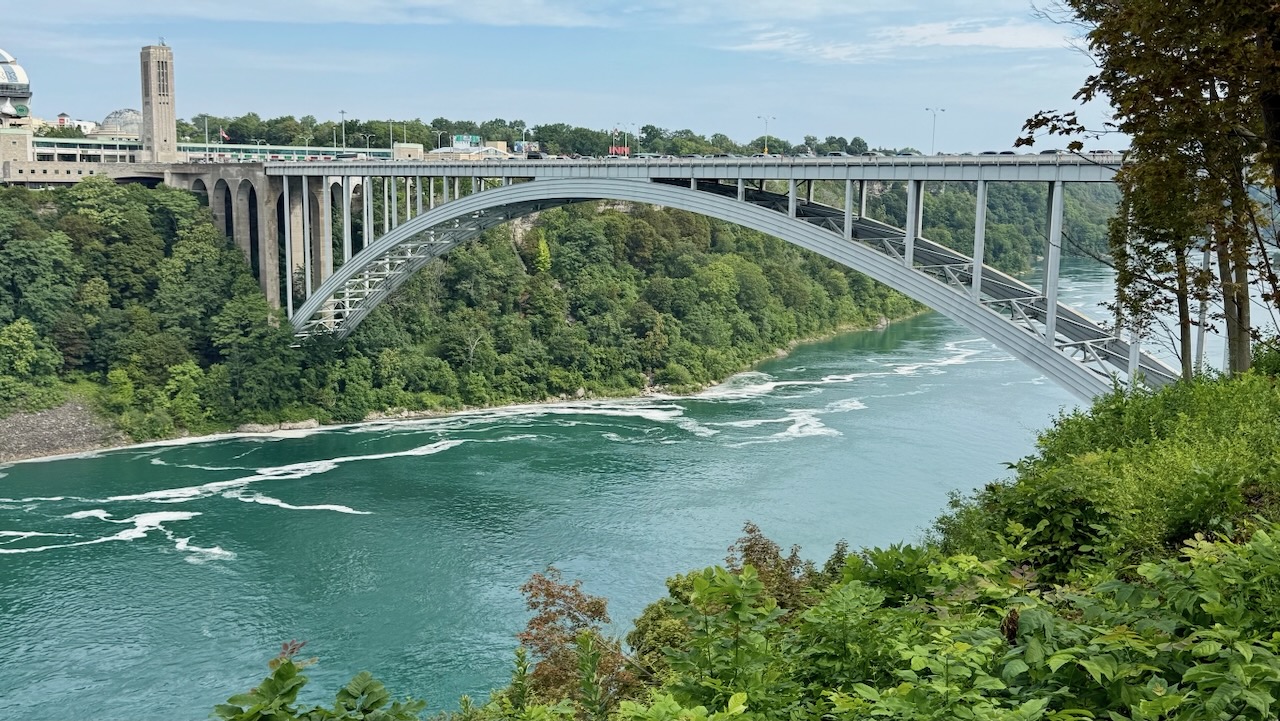
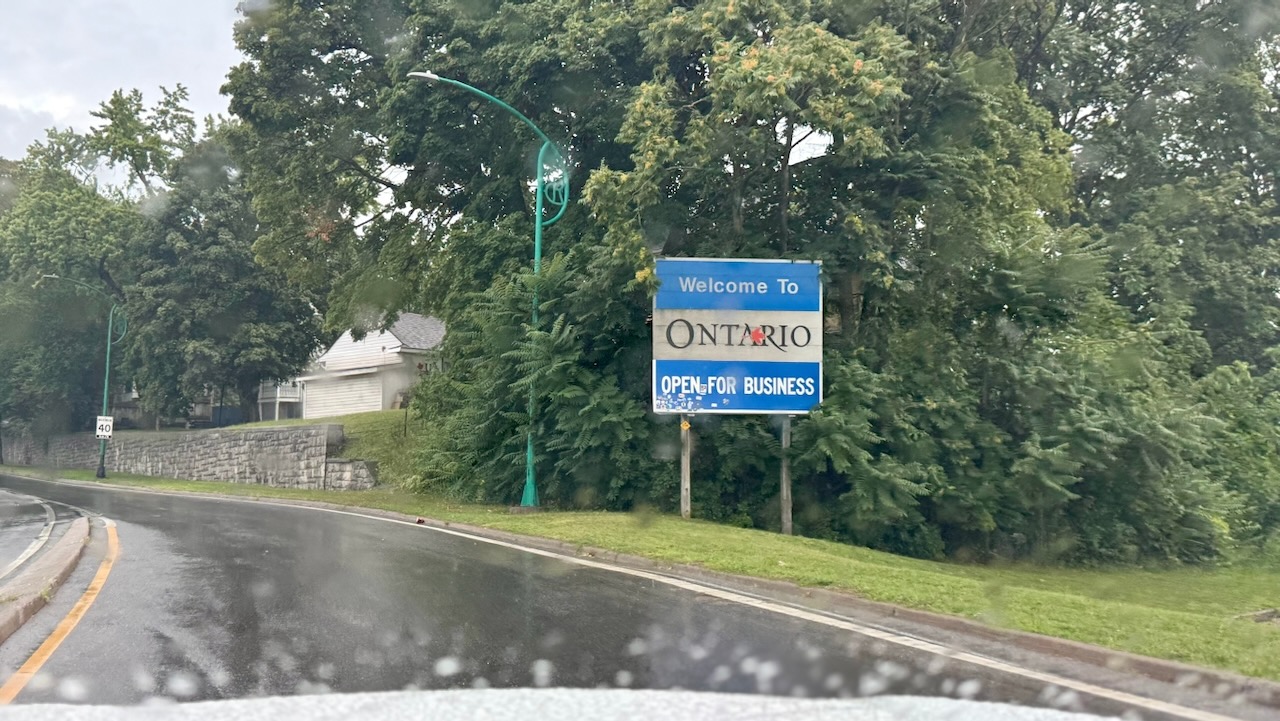
Four Mile Creek State Park set up an easy park-and-ride to Niagara Falls via Whirlpool State Park’s free bus, dodging weekend parking entirely. Niagara was amazing. We did the Maid of the Mist boat tour, walked around a lot, and were glad we took our time instead of rushing through like we’d planned. From there we crossed into Canada, drove across southern Ontario, and came back into the US at Port Huron, Michigan.
Northern Michigan: Great State Parks
Caberfae Peaks was the funny stop: an old ski lodge where the mattresses sagged into a V and we rolled toward each other all night. The lodge had neither charging nor breakfast, so we drove to another resort for dinner. They call it a ski resort, which is hilarious with less than 500 meters of vertical. Having skied in the Alps and now the Rockies, I wouldn’t call it more than a hill.
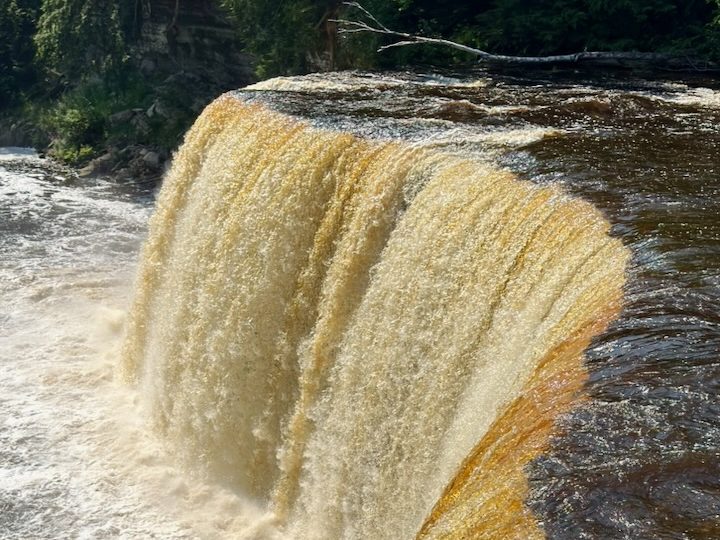
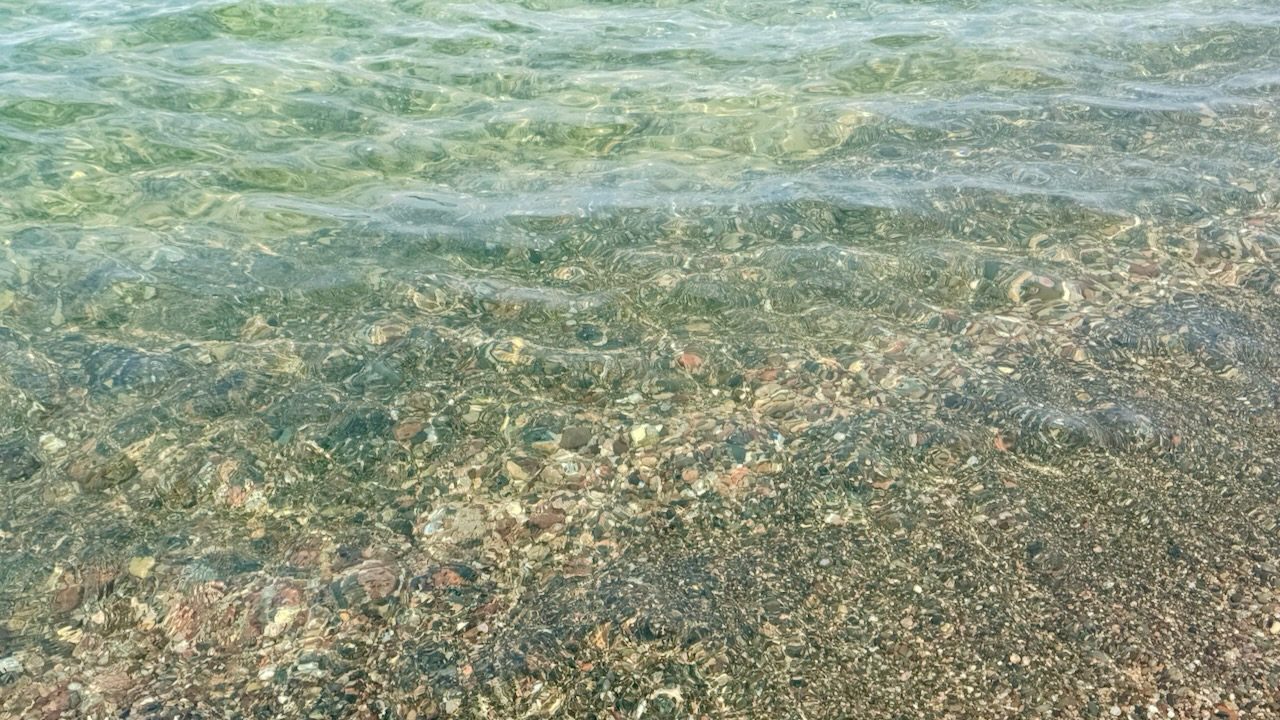
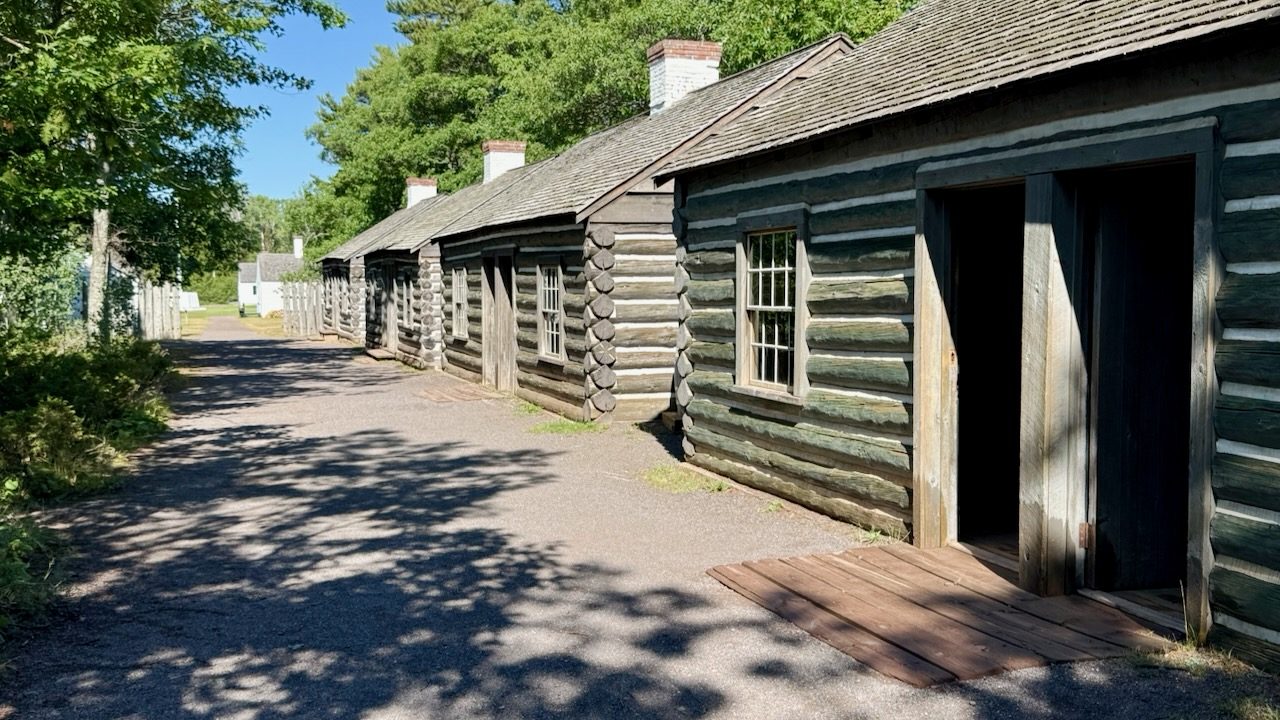
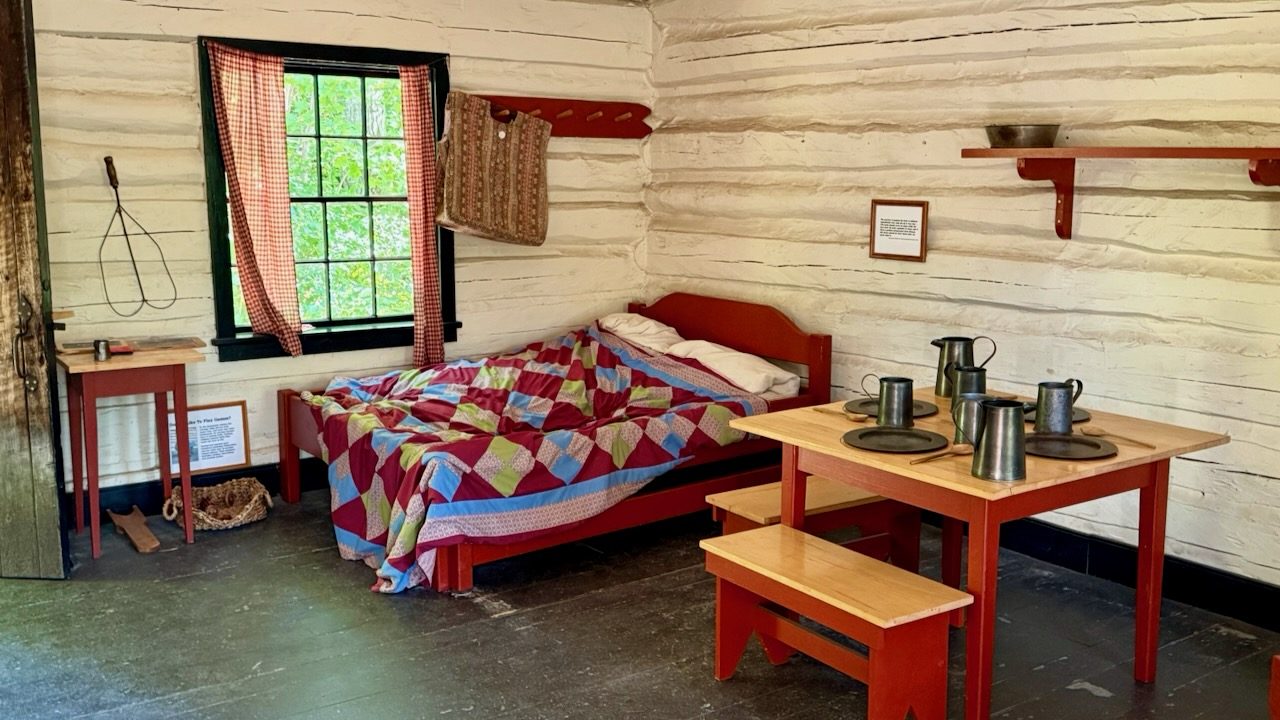
Across the Mackinac Bridge in the Upper Peninsula, we hit three clean, well-run state parks in a row: Tahquamenon Falls, Muskallonge Lake, and Fort Wilkins Historic State Park. Tahquamenon’s falls are no Niagara, but they’re worth the stop. Lake Superior was so clear and so cold that swimming was brief, but so much fun. Fort Wilkins was an interesting historic stop. We realized too late that we should have bought an annual Michigan state park pass and stayed longer. There’s just so much to see in Michigan!
Minnesota to the Black Hills
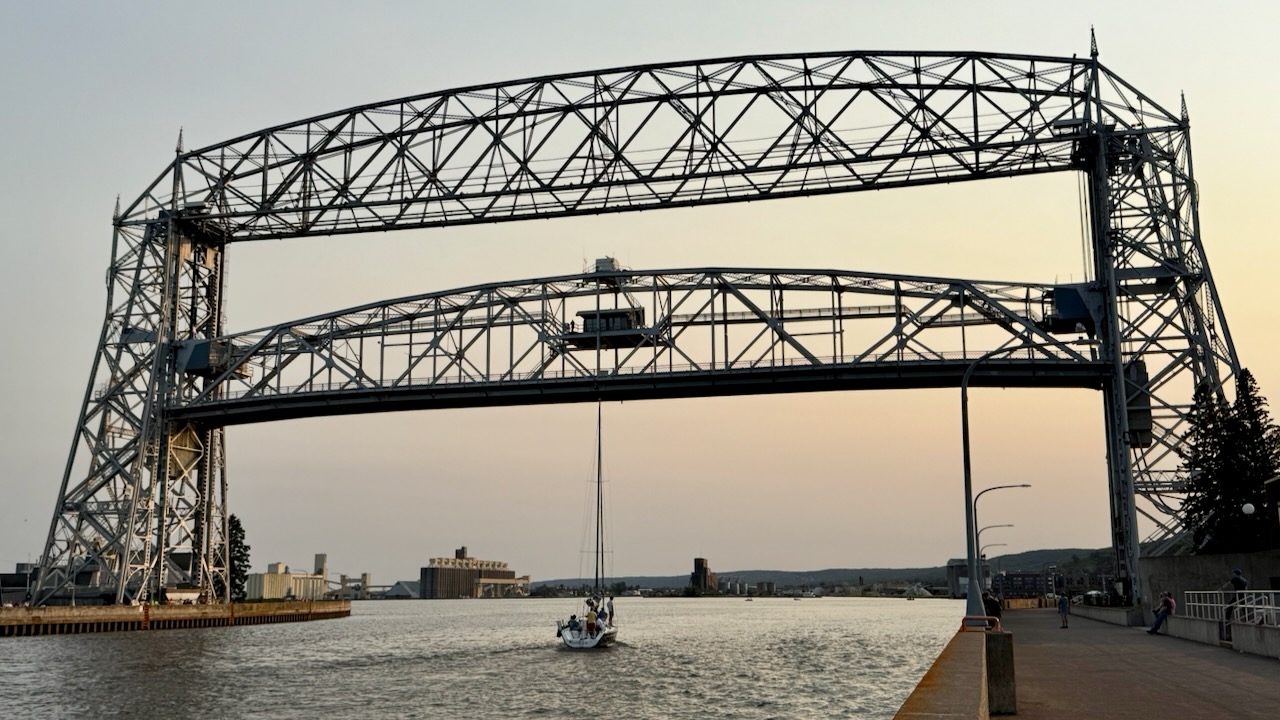
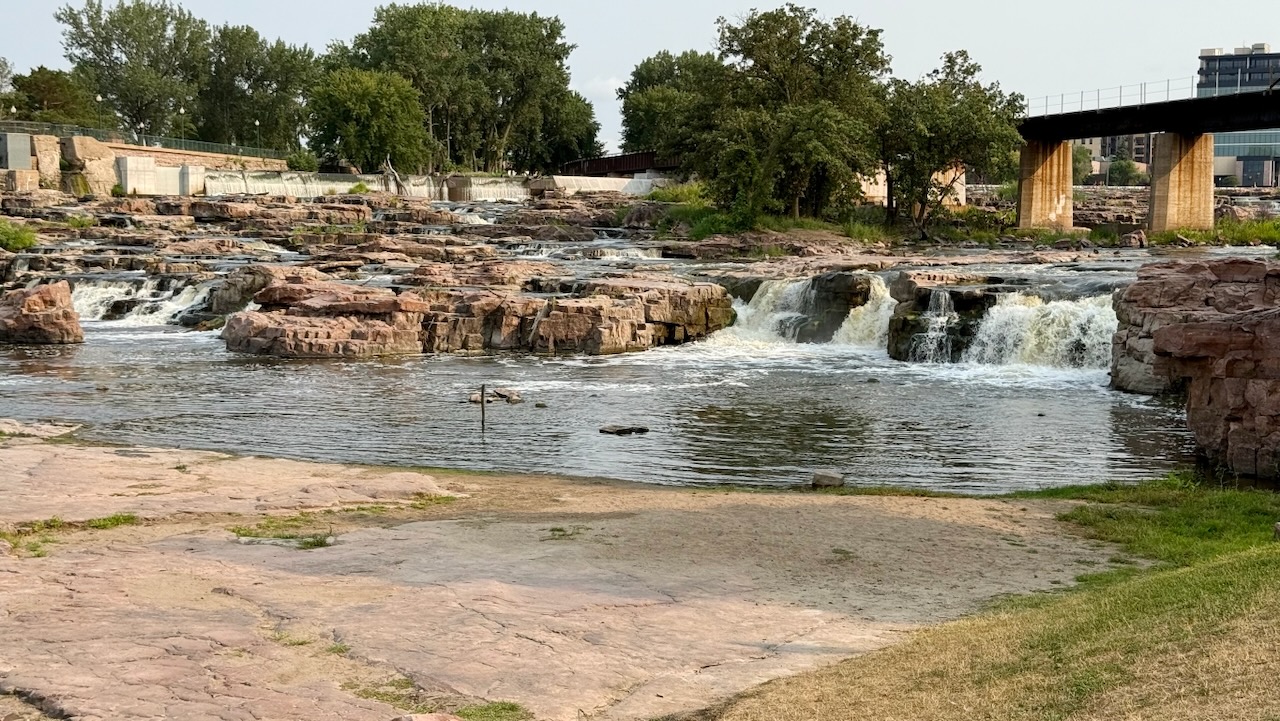
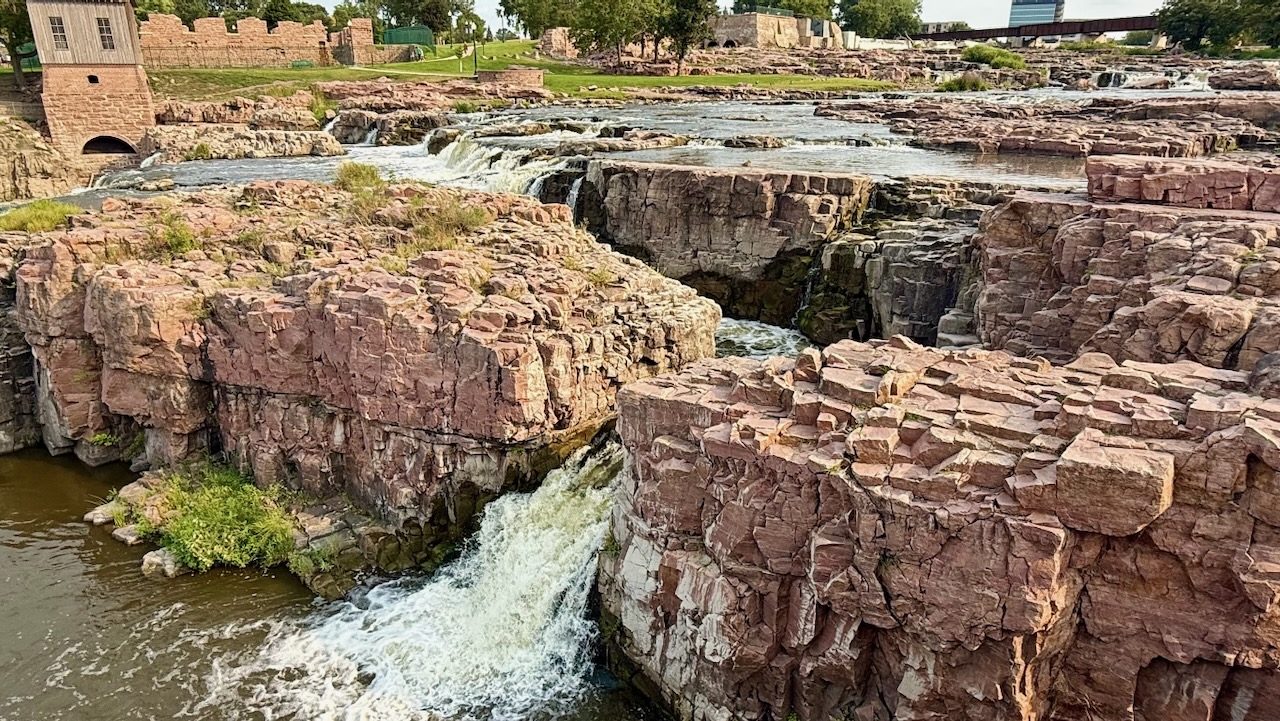
In Duluth the lift bridge went up right as we arrived. We got good sunset photos of boats passing under it, the pizza at Vitta was good, the kids watched a glass blower make art, and we got a full overnight charge in the hotel garage. Sioux Falls was a little depressing at first, until we saw the falls. The playground at Jacobson Plaza is amazing.
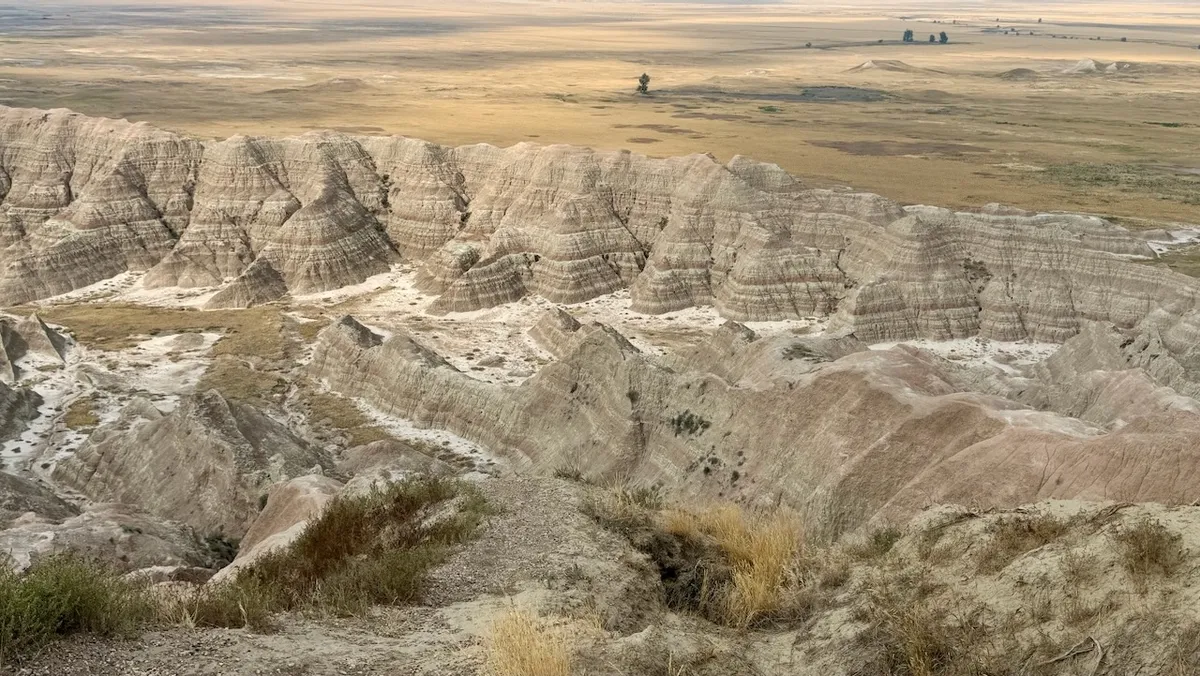
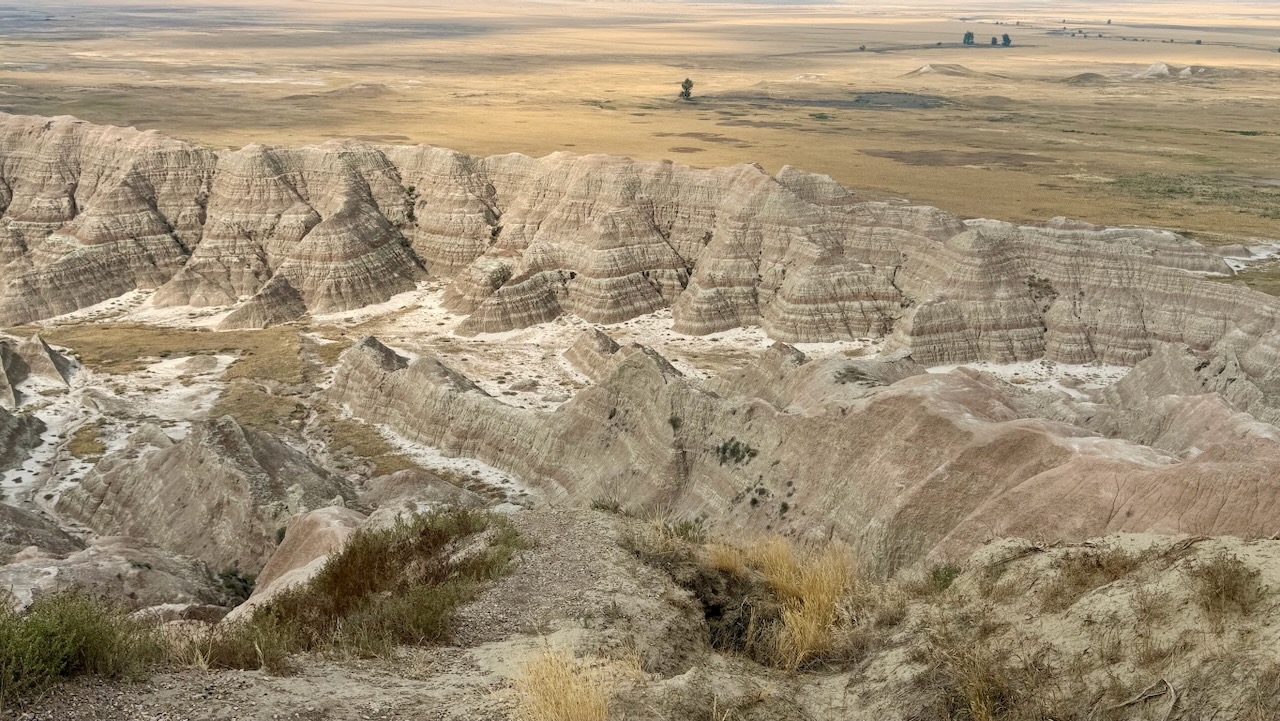
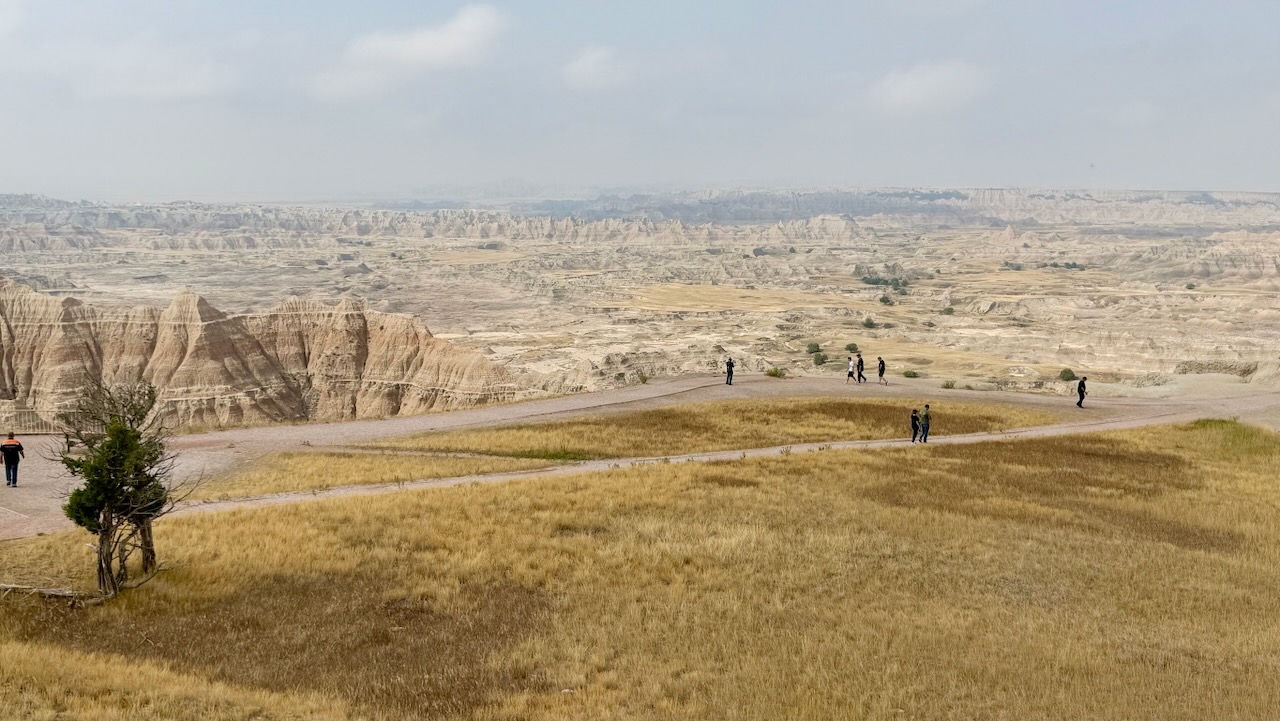
Badlands National Park is crazy. Colorful rock formations rise straight out of flat prairie. We drove through and camped nearby. No bison, despite trying.
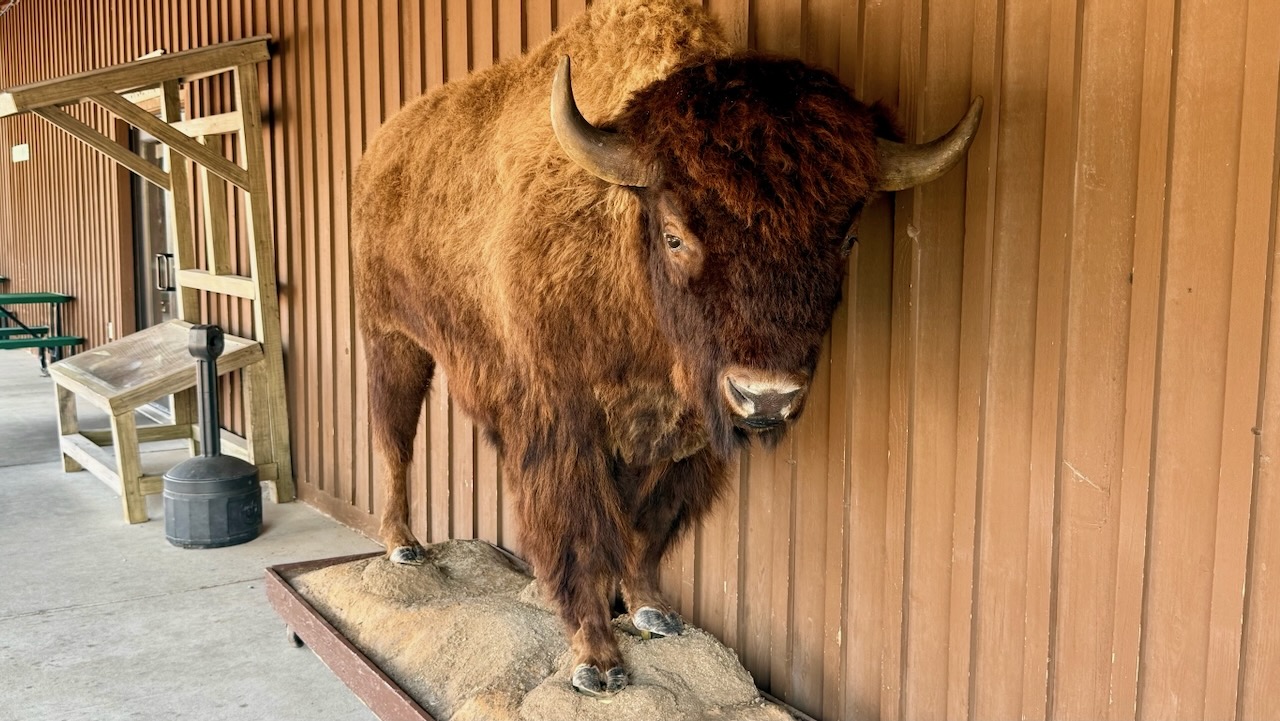
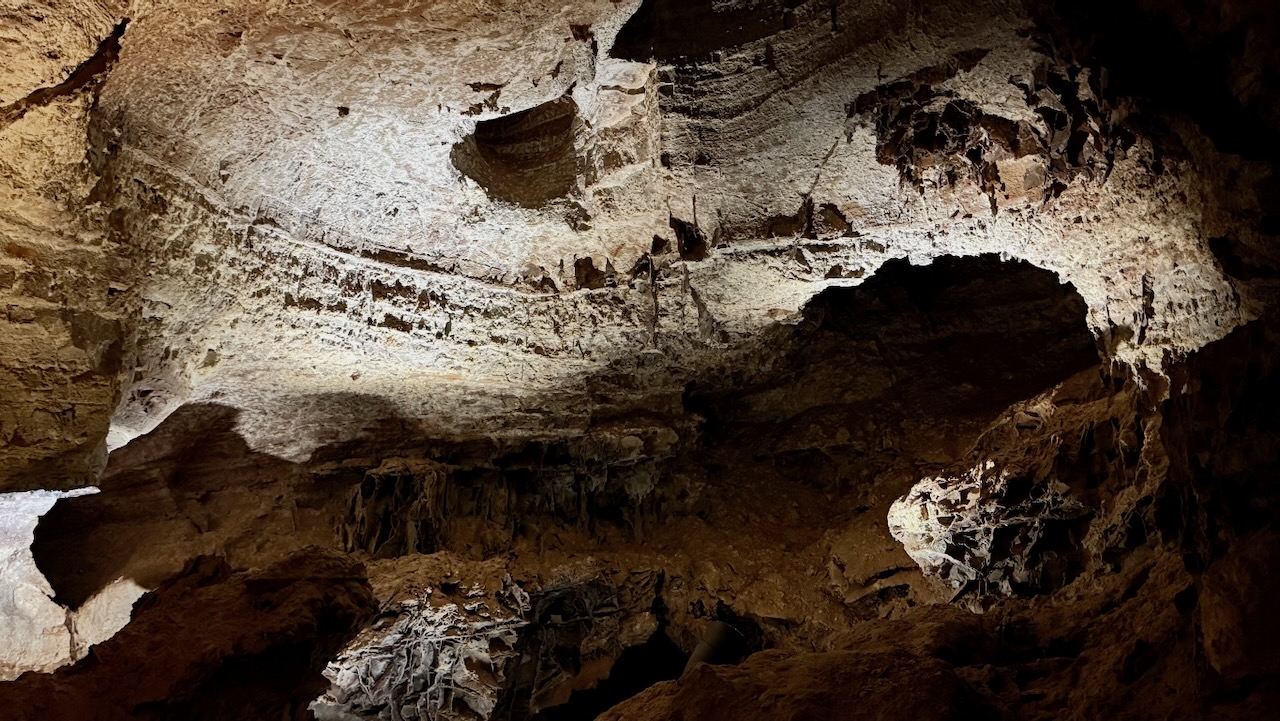
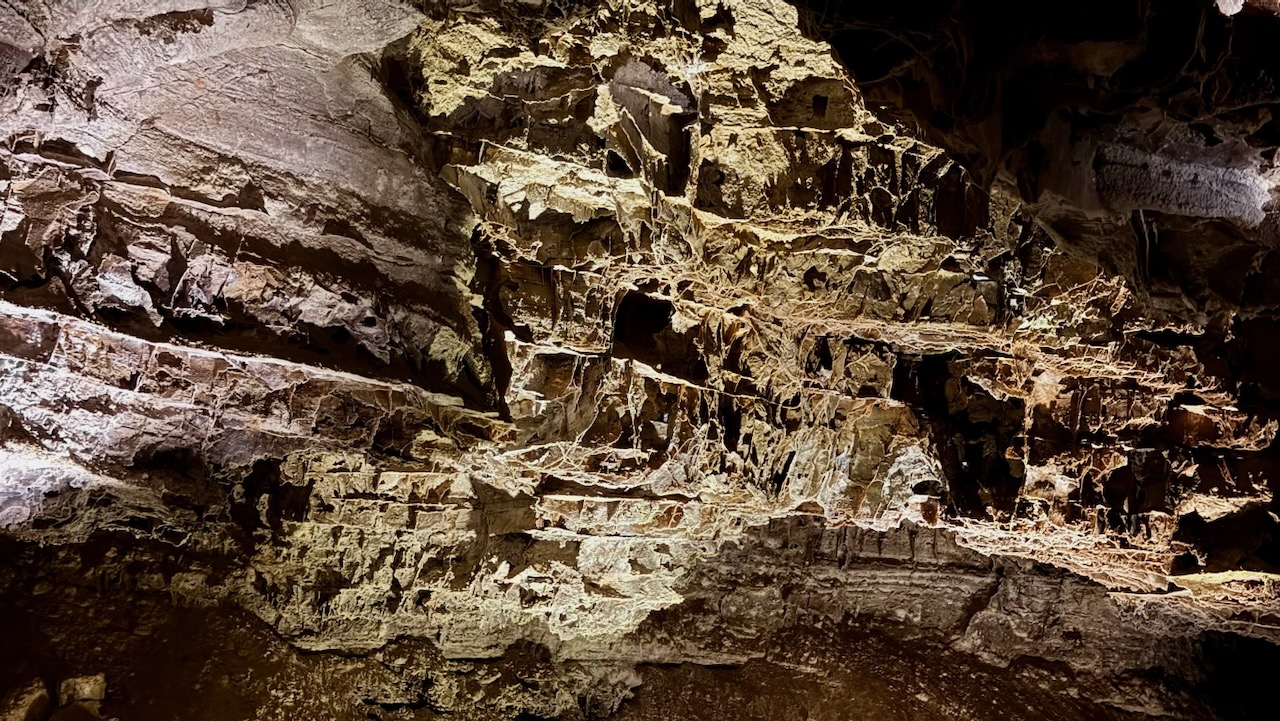
Wind Cave National Park had a quiet, tidy campground, better than we expected. We got a nice site when we arrived, but there was no electricity anywhere. Solid cave tour, and still no bison. Two national parks known for wildlife, zero bison. It was a running joke by the end.
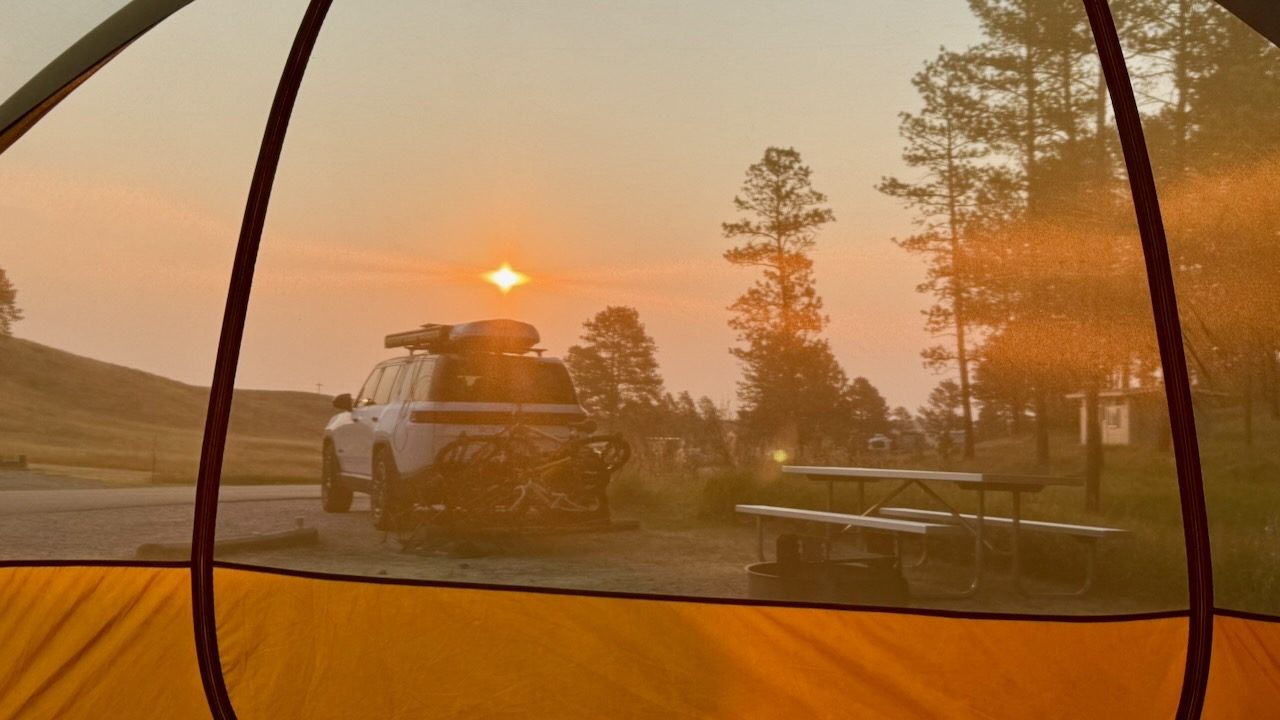
The last stretch took us through Nebraska and Wyoming and back south to Boulder, where we’d started.
The Charging Reality
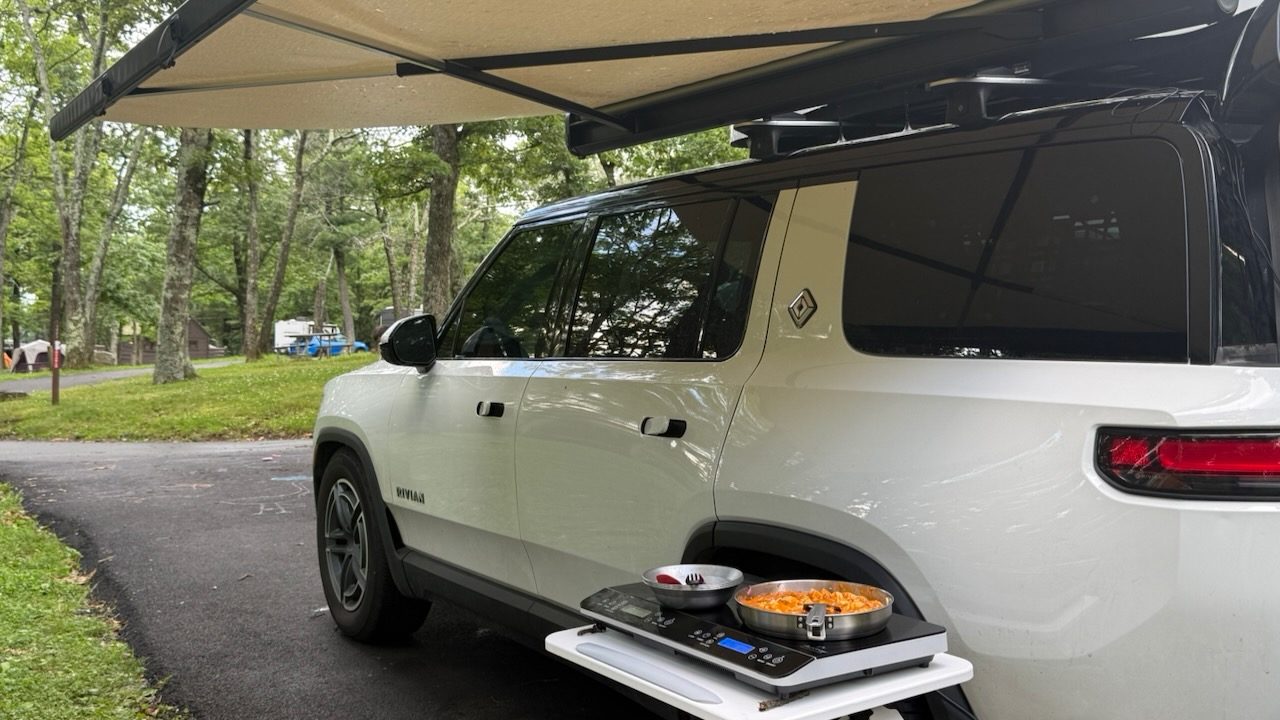
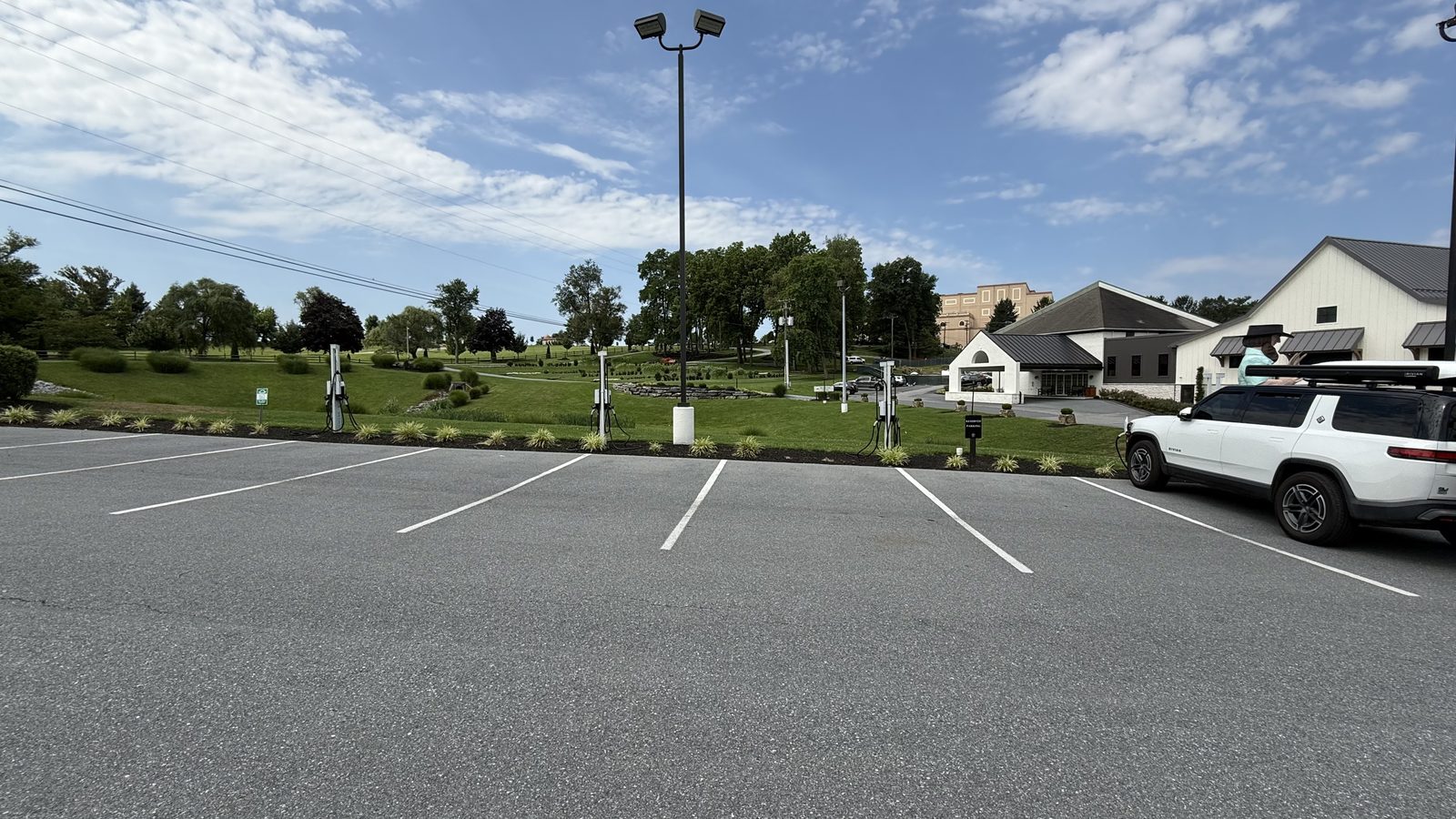
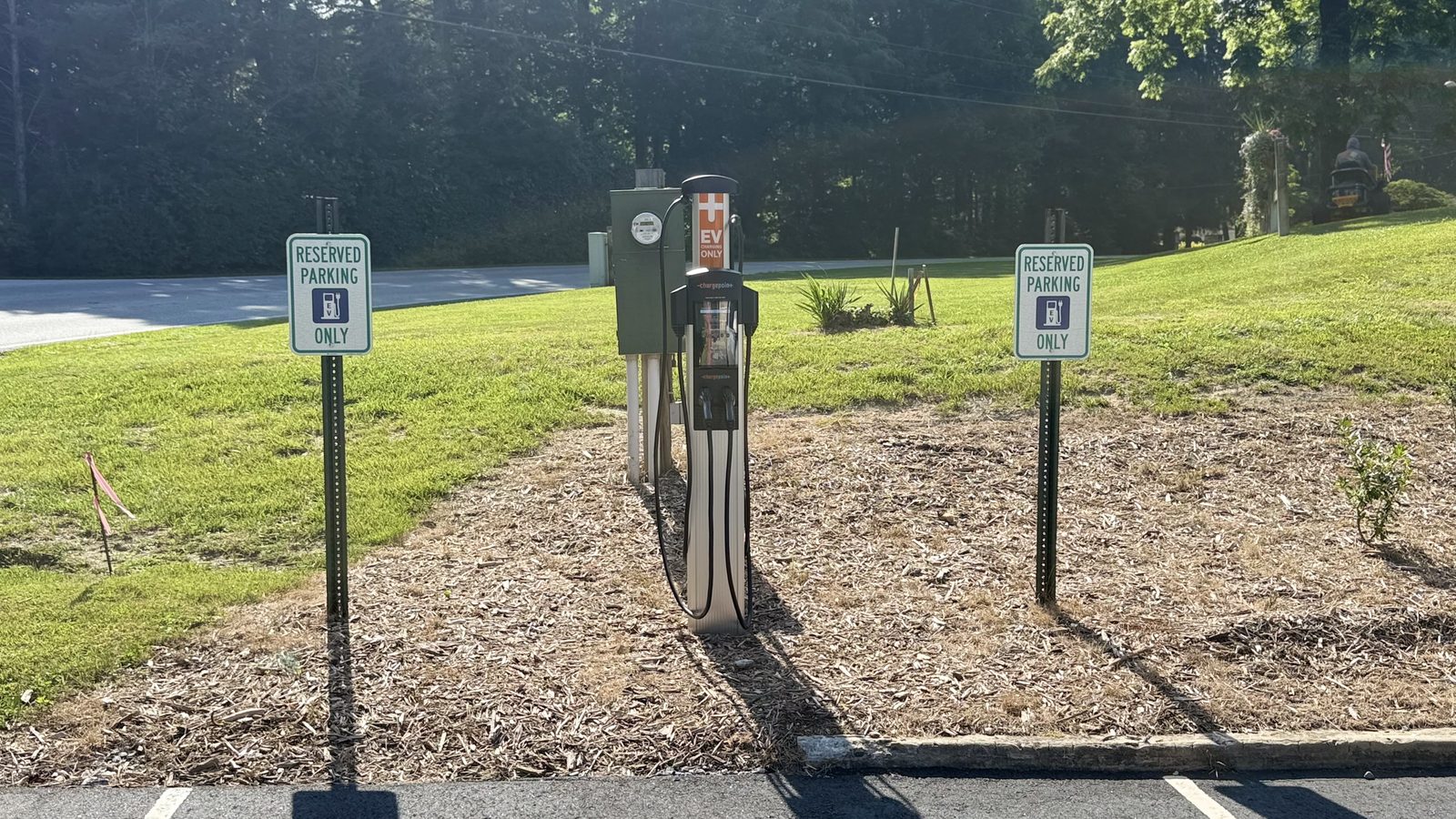
About eleven weeks in an EV, mostly at campgrounds and small-town hotels, and it works! The farther east we got, the more chargers there were. Most national park campgrounds didn’t have hookups, but most state parks did. Just remember to ask before you charge, and reduce the amps for a slow charge overnight. Some campgrounds have very dated infrastructure and don’t allow EV charging because of the constant high power draw. Only a few stops needed more planning around charging.
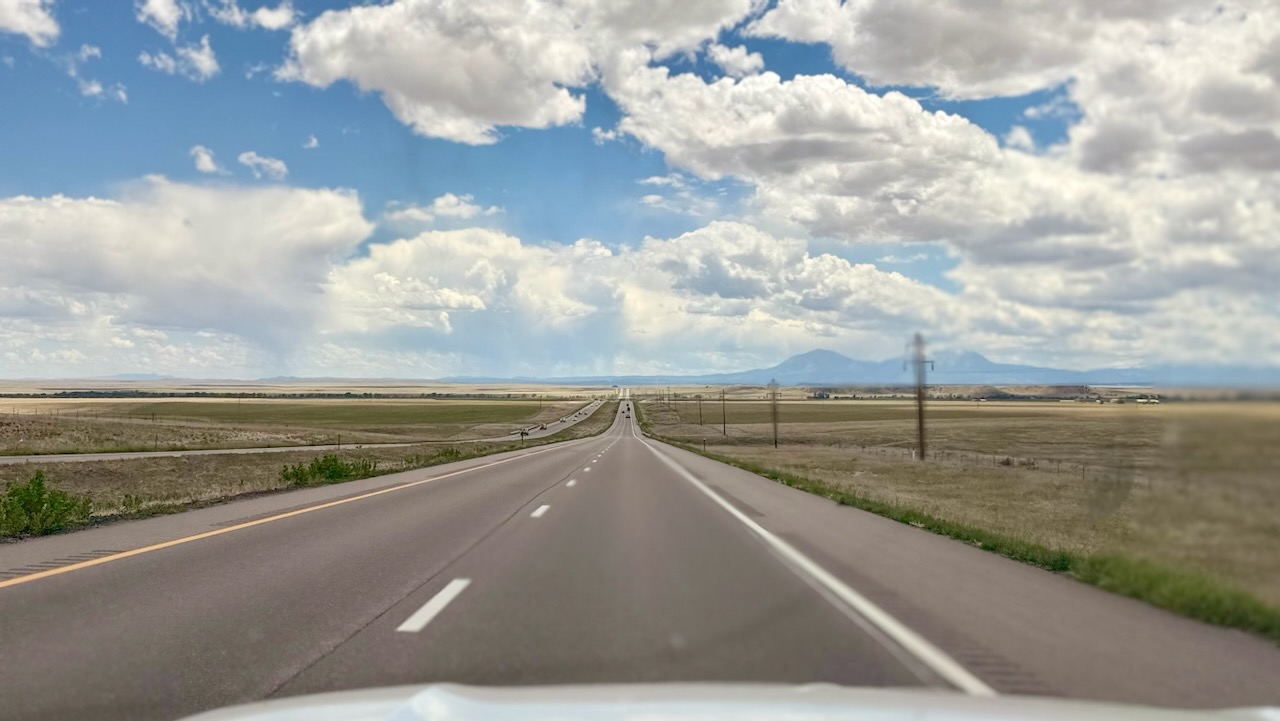
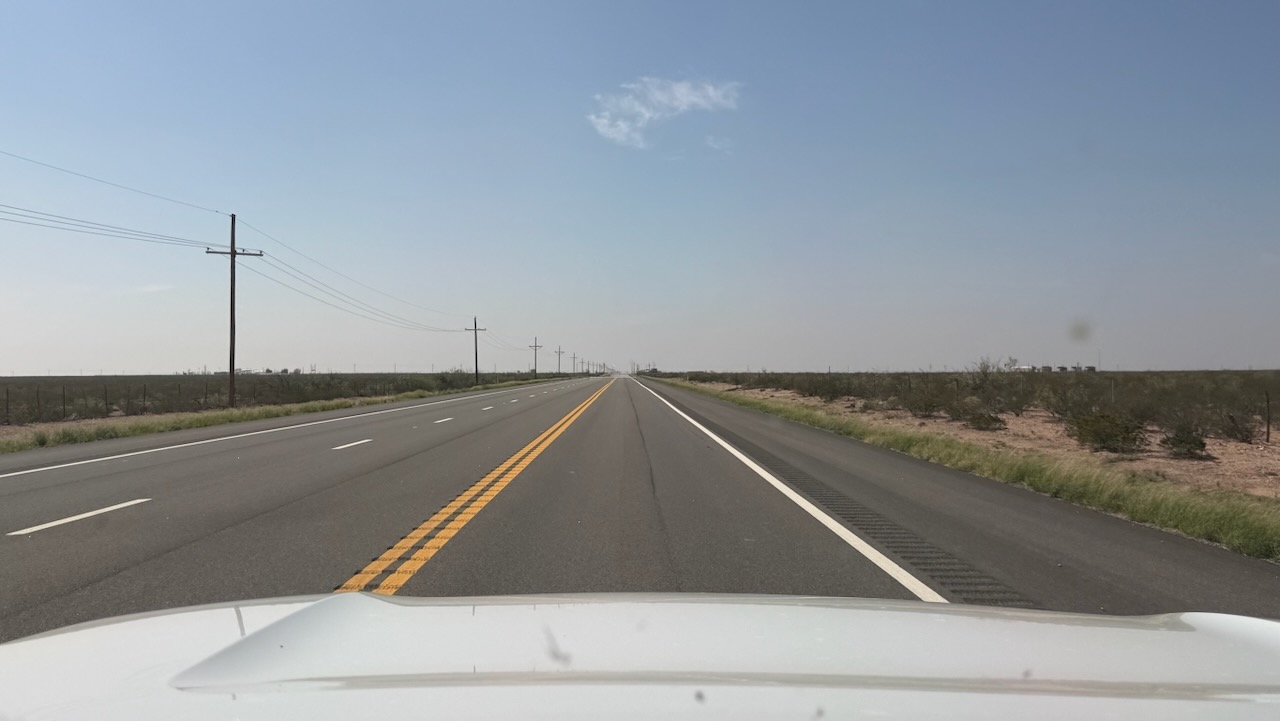
The Dakotas, Wyoming and Nebraska are a different story. There you definitely need to do your homework. We booked hotels based on charger availability, and a lot of the time charging was free, which is amazing.
I added it up afterward: charging cost about $1,300 for the whole trip, mostly on fast chargers. The trip meter shows 15,574 km (about 9,700 miles) and 4,333 kWh, or 2.2 miles per kWh, with a roof box, an awning and three bikes on the car the whole way. That works out to about 13 cents a mile.
Pro-tip: charging subscriptions pay off quickly. Tesla’s for sure, but even Electrify America’s did. On the last leg through South Dakota we fast charged three or four times at over 65 cents per kWh. With the $10 subscription the price dropped to about 45 cents. At that gap the subscription pays for itself after 50 kWh.
Luckily We Didn’t Need It
Two things rode along all trip and never came out. The fire blanket stayed packed, and we’re glad we had it given how many campfires we sat around. The water canister was never needed either, because potable water was available at basically every stop.
Next Time
- More time at White Sands, less at Mammoth Cave.
- Buy the Michigan state park annual pass before the trip, not after.
- Always check the longer routes. Don’t blindly trust the car’s navigation. That would have saved us the stop and the detour around a military base.
- Anything “slightly complicated to arrange”, like the cog railway, probably won’t get arranged in peak season. Have the backup plan ready from day one.
What We Missed From Home
- Power flosser: about eleven weeks without one. What I missed most was the feeling of actually clean teeth. It was the first thing I used after the trip.
- Life Fitness indoor rowing machine: without it, no workouts with Josh Crosby, world champion rower and rowing trainer on Apple Fitness+. With a new place every few days, it’s hard to keep any routine alive, and working out goes first. Fast food on the road and the limits of a camp kitchen didn’t help. I went for a few runs (the early morning one on the Appalachian Trail in Shenandoah was the best), but I couldn’t keep up a routine. I ended the trip a few pounds heavier.
The Numbers
- About eleven weeks, May 29 to mid-August
- About 9,700 miles (15,574 km) and 4,333 kWh, or 2.2 miles per kWh
- About $1,300 for charging, mostly on fast chargers (about 13 cents a mile)
- About 50 stops across 20-plus states and two countries (a day crossing southern Ontario)
- Nine national parks visited: White Sands, Carlsbad Caverns, Hot Springs, Mammoth Cave, Great Smoky Mountains, Shenandoah, Acadia, Badlands, and Wind Cave
- Zero bison, despite two dedicated attempts
Planned and Remembered in Roadbook
I planned the route, the stops and the nights in Roadbook, which is how I spotted the missing night at Mammoth Cave. I’m building Roadbook to make long road trips with an EV possible.
It’s also where I kept the journal, one note per stop. Each note sits on the same trip as the plan, tied to a stop and a date, and stays private unless I publish it. Reading it back, the long entries aren’t the ones I’d have guessed. White Sands got two lines. The campfire evenings at Shenandoah got a whole entry. The sagging V mattress and the soaked tent at Acadia are in there too, and they’re funnier now than they were at the time.
You can see the whole route on Roadbook. If you’re planning a long trip of your own, start there.
We’d do it again. The best days were the bears on the road, the kids making friends at nearly every campground, s’mores with incredibly friendly strangers, and a guy from New York City lighting his first fire.
More trips to come. If you’ve got questions about the route, the charging, or just want to argue about whether Carlsbad Caverns beats Wind Cave, drop me a message on Bluesky.