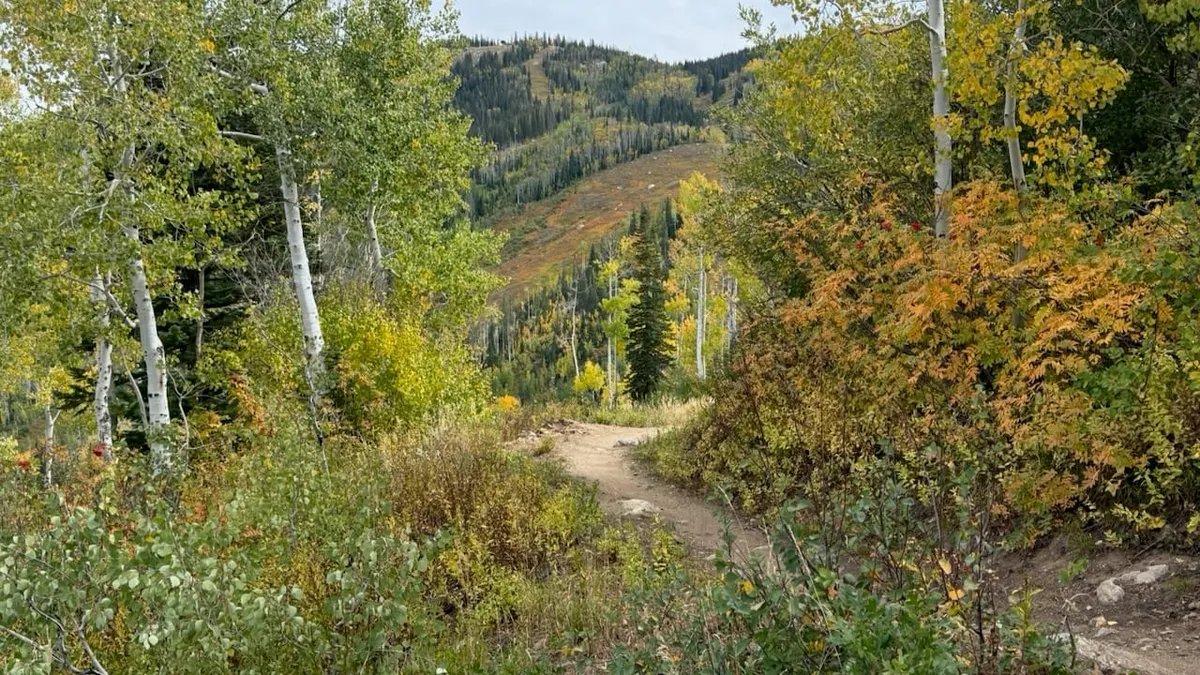
A mountain bike crash left me unable to type for six to eight weeks. ChatGPT for dictation and Claude for coding kept me working, but the first generated PRs were a disaster. Getting the skills and instructions right took months.
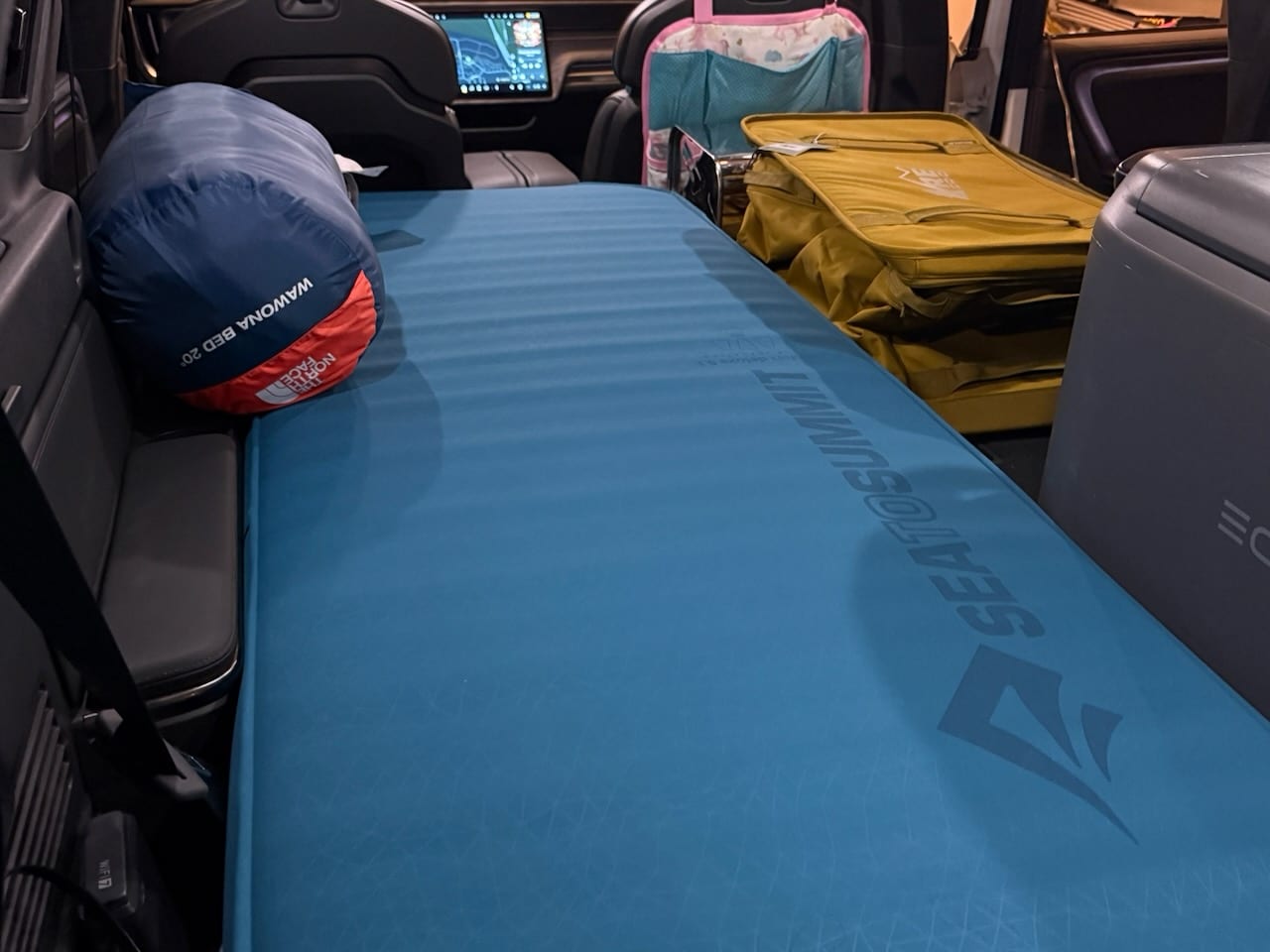
Saturday, September 20, 2025. This was supposed to be a good day. I’d prepared the Rivian to test my car camping setup I planned to use for extended snowboarding weekends in the winter. The fridge was cooled down and stocked with craft beers and food. My friend Nick arrived early in the morning, we loaded the bikes, and we drove the three hours from Boulder to Steamboat Springs. On the way we had a fun conversation about how AI is slowly taking over our work life. I had no idea how fast that would happen for me.
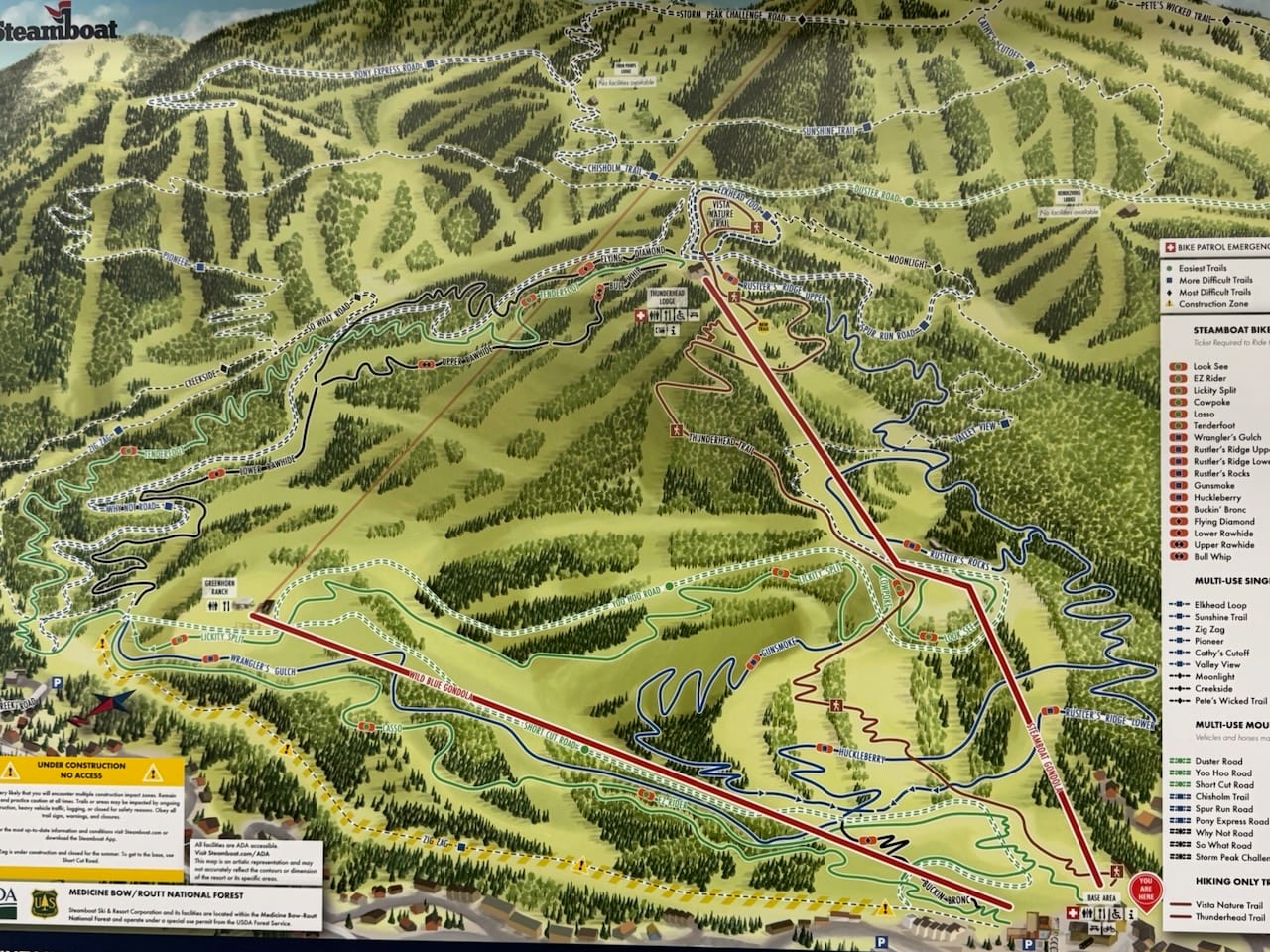
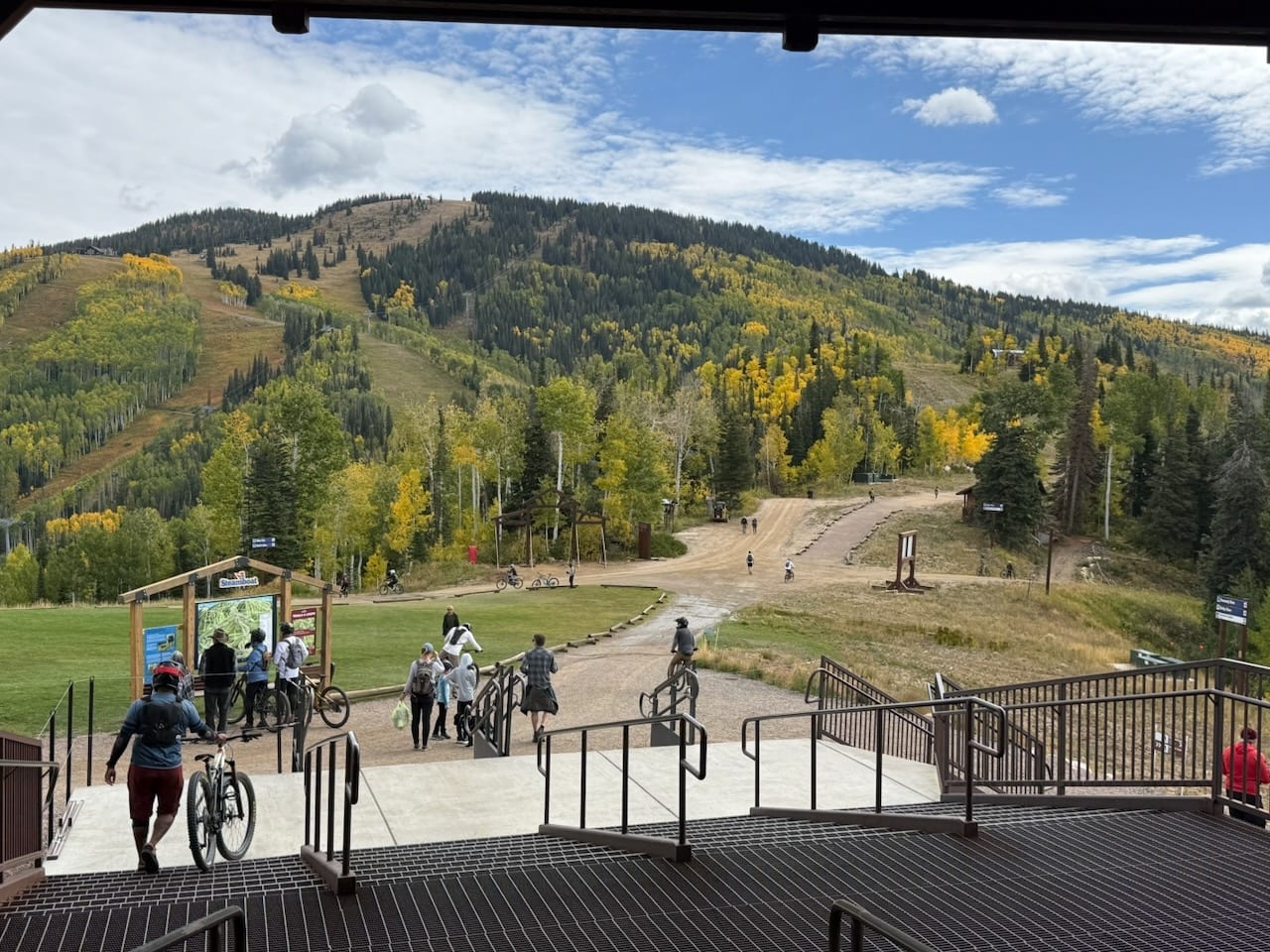
We put the car on the charger and spent the day riding downhill greens and a few blues. By the afternoon we were tired. Two more runs, then we’d find a camp spot for the night.
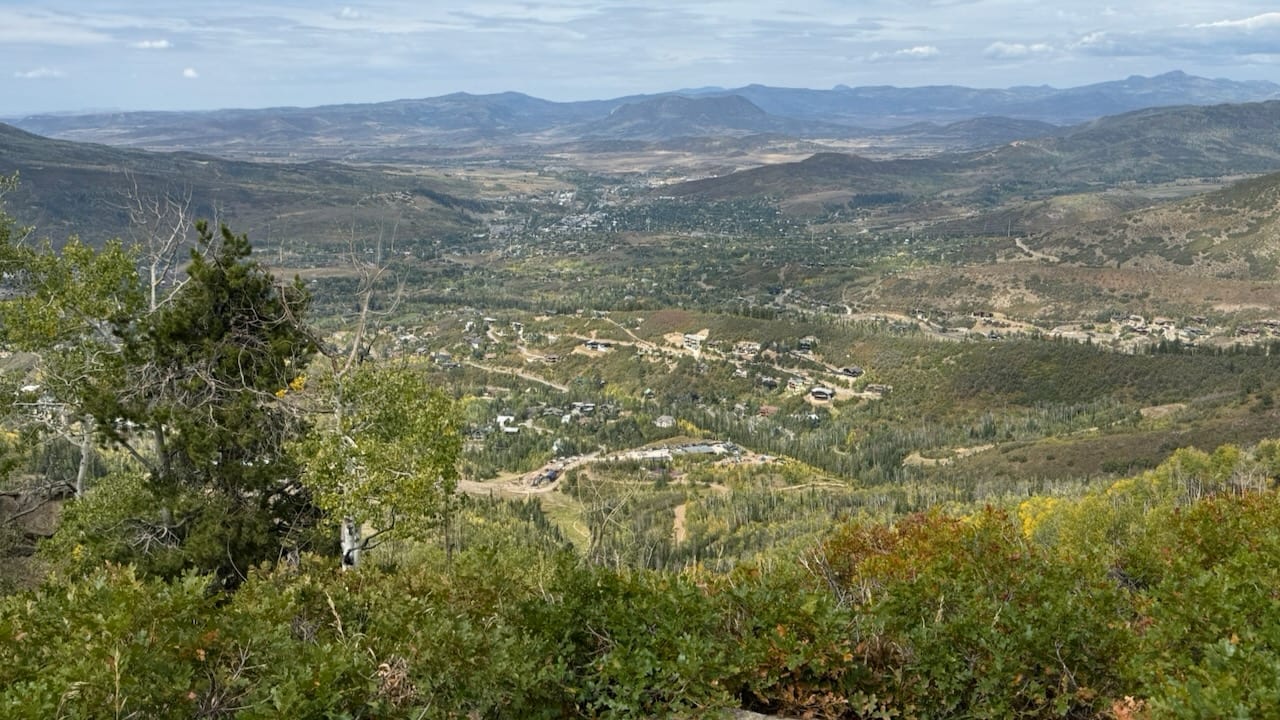
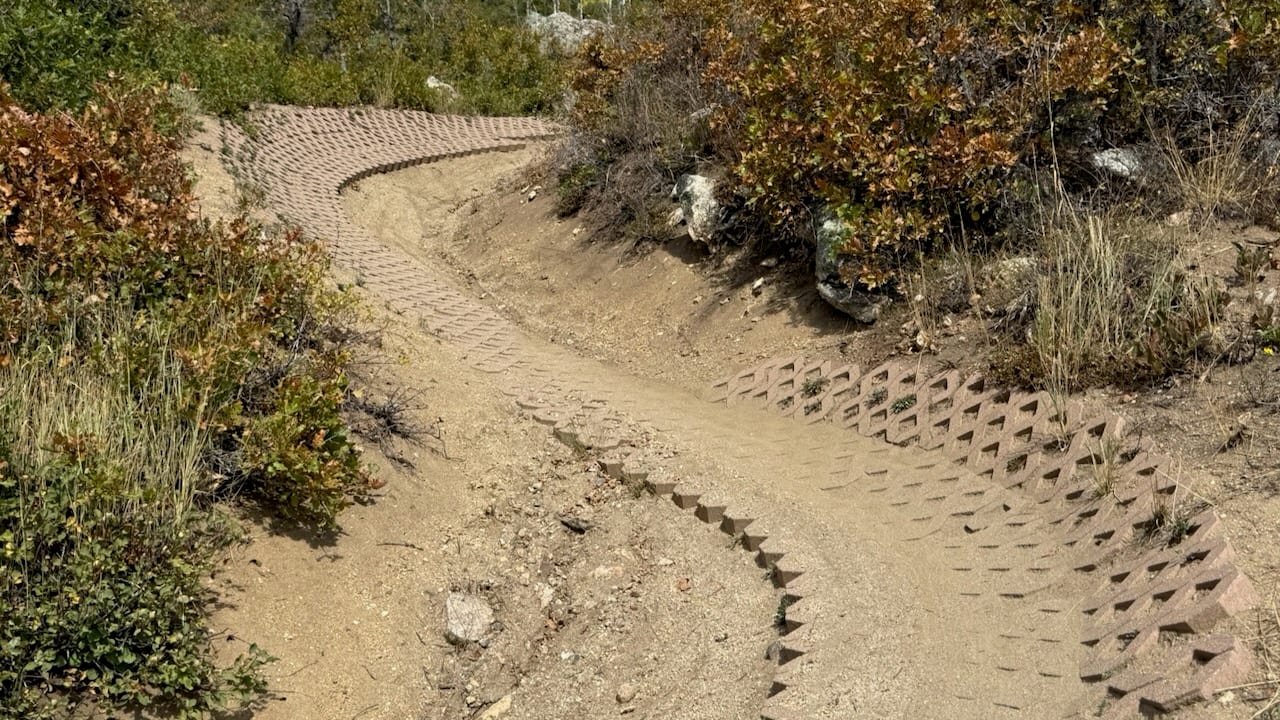
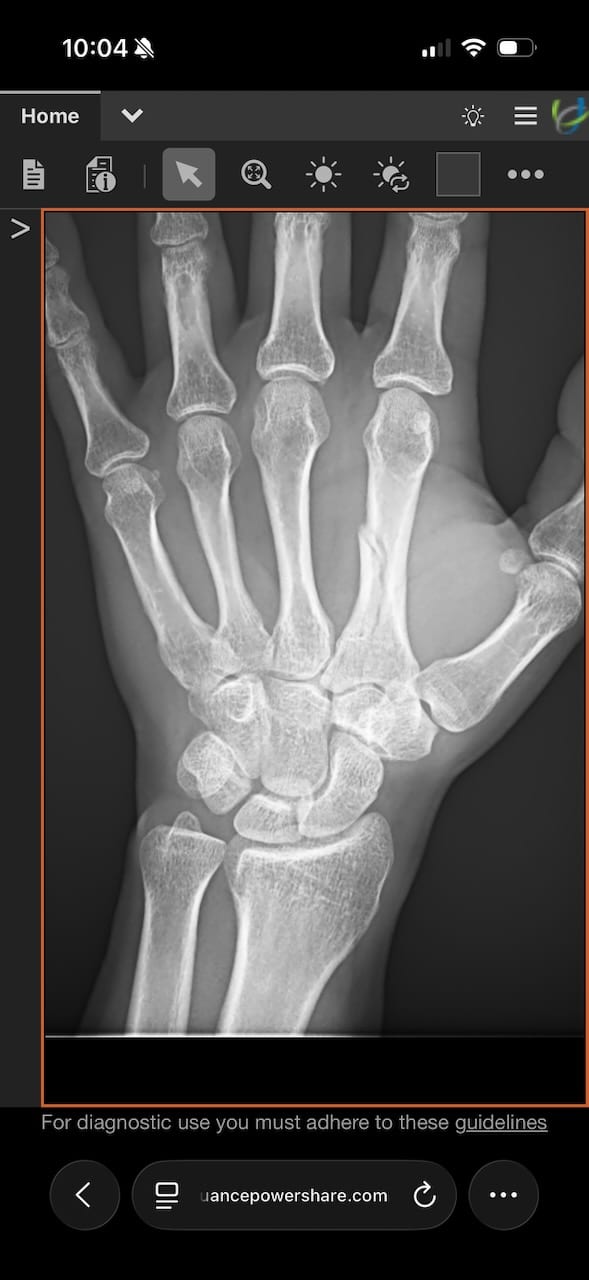
That’s when it happened. On a green, straight stretch of trail. I have no idea what caused it and no memory of the fall. My Watch shows 25 km/h to 0. I hit my head, and broke my hand. My shoulder didn’t come out of it well either.
Nick has some basic paramedic training (yay) and checked me for a concussion and then trail patrol came by right then, picked me up and drove me to the first responders station. After getting patched up, we drove to the nearest urgent care for an x-ray and stitches. They also gave me a few pills of the good stuff. Instead of car camping, Nick drove us back to Boulder.
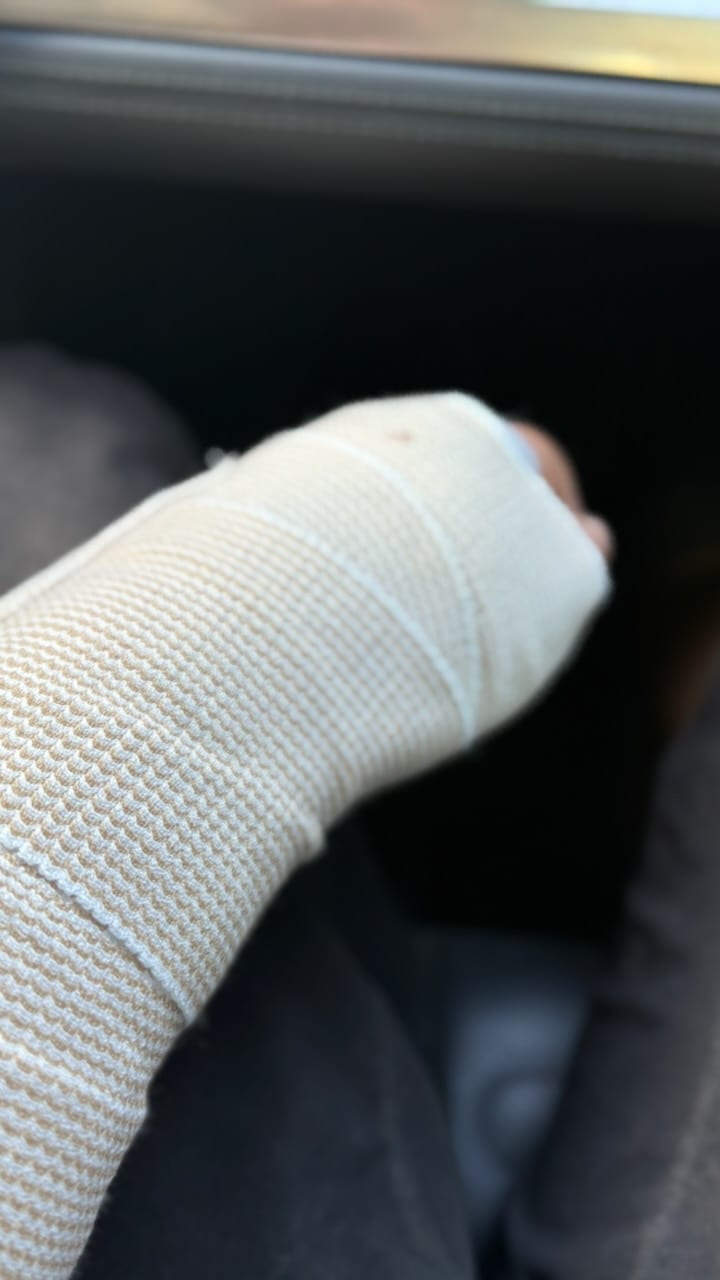
Two days later, on Monday morning, I had to start figuring out how to do my job with one hand.
For six to eight weeks I couldn’t type at all. After that I could, but it hurt. I write software for a living.
Autocomplete and Caution
Before the crash I was careful with AI. I used GitHub Copilot for autocomplete, accepted a suggestion here and there, and read every line before it went anywhere. I was somewhere between cautious and unsure about the whole thing. I didn’t trust it with anything I couldn’t check in a few seconds.
That was a comfortable position to have when I had two working hands.
No Choice
The crash didn’t come with a break from work. I had a job at Nevados, and that job was also my O-1 visa and my work permit. It paid for our life here in the US. Taking two months off to heal wasn’t an option, so I had to use whatever was available to me to keep doing my work.
I started using ChatGPT for dictation and copied the prompts over to Claude for coding. I could speak instead of typing and keep doing my work. Code, reviews, issues, Slack, emails. Within a week, AI had gone from autocomplete to something I depended on every day.
The Slop Phase
There was a lot of discovery, and even more mistakes. I remember the first fully generated pull requests. They were a disaster. Lots of code nobody wanted to review and issues that were three times longer than they needed to be, and said less than a two-line issue would have. Descriptions that sounded confident and were wrong.
It was an exciting time, though. Everything was new, and the tools were changing so fast that there was always something else to try. Even with all the mistakes, the injury didn’t set me back too much in my daily work.
I learned the hard way that “AI wrote it” is not an excuse anyone wants to hear. If my name is on it, it’s my work, no matter who typed it.
Less AI, Better AI
It took me months to figure out the right skills and instructions to produce somewhat decent PRs. I kept rewriting my configurations, trying different pipelines, and taking things away. There wasn’t one change that fixed it.
I learned more about context, and later about context engineering. The model is only as good as what you put in front of it. Too little and it guesses. Too much and it drowns, and you pay for every token of it. Most of my early problems weren’t the model’s fault. They were mine, because I gave it a mess and expected clean work back.
The next six months were almost entirely about skills and getting the agent configuration right. A skill is a small, focused set of instructions the agent loads only when the task needs it. Getting those right has done more for the quality of my work.
Coding Without Typing
Speaking instead of typing gave me a way to keep coding. I still had to understand the problem and check what came back. The first PRs made that clear.
My injury was temporary. AI helped me keep working while my hand healed. That’s one practical use I rarely see in the debates about AI, and the one that mattered most to me at the time.
A Fortunate Accident
I would not recommend breaking your hand to learn anything. But I’m glad it happened. Without the crash I’d still be accepting Copilot suggestions one at a time and feeling good about how careful I was. Instead I had no choice, I made every mistake there is to make, and a year later I know how to work with these tools better than I would have if I’d taken the cautious path.
If you’re stuck because of an injury, or you just want to talk about skills, agents and context, reach me on Bluesky or LinkedIn.